
x

 Άνθρακα και λάδι σε καμβάΕκθέσιμα Έργα ΤέχνηςBaroque
 1610Αναγέννηση
 97.0 x 77.0 cm
 Μουσείο Ελ Γκρέκο
Εκτύπωση giclée ή σε καμβά ποιότητας μουσείου με γρήγορη παραγωγή και ευέλικτες επιλογές φινιρίσματος. ( Αγορά χειροποίητου πίνακα Αγορά ψηφιακής εικόνας)





























Επιλέξτε από τις προκαθορισμένες διαστάσεις μας που διατηρούν τις αρχικές αναλογίες του έργου τέχνης.

Μπορείτε να εισαγάγετε δικές σας διαστάσεις ώστε να ταιριάξουν με ένα συγκεκριμένο πλαίσιο ή χώρο. Εάν το επιλεγμένο μέγεθος δεν συμπίπτει με τις αναλογίες της πρωτότυπης εικόνας, θα κόψουμε το έργο τέχνης ή θα επεκτείνουμε την εικόνα με καθρεφτισμένη ή μονόχρωμη ατέλεια. Θα σας αποσταλεί ένα ψηφιακό mockup για έγκρισή σας πριν από την έναρξη της παραγωγής.
Παρακαλούμε σημειώστε ότι η προεπισκόπηση στην οθόνη δεν αντικατοπτρίζει την πραγματική κοπή ή επέκταση. Μόνο το mockup θα δείξει με ακρίβεια την τελική σύνθεση.
Παρόλο που είναι διαθέσιμες προσαρμοσμένες διαστάσεις, προτείνουμε την επιλογή μιας διάστασης από τη προκαθορισμένη λίστα για τη διατήρηση των αρχικών αναλογιών.
Παγκόσμια Αποστολή () σε 2 εβδομάδες αντί για τις συνήθεις 4/5 εβδομάδες. (25 Αύγουστος)


Apostle St Bartholomew
Διαστάσεις Αναπαραγωγής
The Apostle St Bartholomew painting by the renowned artist El Greco (Doménikos Theotokopoulos) is a testament to his unique style and artistic prowess. Created in 1610, this oil on canvas masterpiece measures 97 x 77 cm and is housed at the Museo de El Greco in Toledo, Spain.
El Greco was a trailblazing Greek artist who played a significant role in the Spanish Renaissance. His work reflects a blend of post-Byzantine art and the Mannerist and Renaissance styles he absorbed during his time in Venice and Rome. The Apostle St Bartholomew painting exemplifies this fusion, showcasing El Greco's ability to create captivating and emotive works. He achieved a distinctive visual language characterized by elongated figures—a hallmark of his style—that departed dramatically from traditional depictions. This elongation wasn’t merely stylistic; it conveyed spiritual intensity and psychological depth.
The central figure of the painting is a man with a beard and long hair, dressed in a white robe. He is depicted holding chains in his hands while standing next to a dog. The background features two other figures, one on the left side and another on the right side of the image. The dog is positioned near the bottom of the painting, its head slightly above the ground. El Greco’s masterful use of chiaroscuro—the dramatic interplay between light and shadow—intensifies the emotional impact of the scene. Notice how the stark contrasts illuminate the apostle's face and torso, emphasizing his sorrowful expression.
The Apostle St Bartholomew is part of a series of 13 paintings known as the Apostalado, created by El Greco and his workshop between 1610 and 1614. This series was originally produced for the Hospital de Santiago in Toledo and features Christ and his disciples, with Saint Paul replacing Judas Iscariot. The Apostalado represents a significant moment in El Greco’s artistic career—a culmination of his Venetian influences and a deliberate assertion of his own stylistic vision.
The Apostle St Bartholomew painting is a significant work in El Greco's oeuvre, showcasing his mastery of composition and his ability to convey deep emotions through his subjects. The elongated figure embodies spiritual anguish—a recurring motif in El Greco’s art—and invites contemplation on themes of suffering and redemption. Its enduring power lies in its capacity to communicate profound psychological truths.
For art enthusiasts who wish to own a piece of history, BuyPopArt.com offers high-quality, handmade oil painting reproductions of the Apostle St Bartholomew. These reproductions are crafted with meticulous attention to detail, ensuring that every brushstroke and color is faithfully captured.
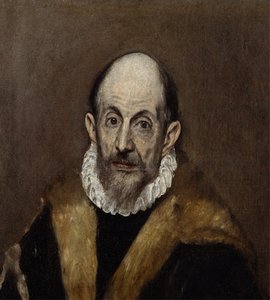
1541 - 1614 , Ελλάδα

Ανακαλύψτε τα 25 κορυφαία έργα τέχνης του Ελ Γκρέκο! Μάθετε για τη βυζαντινή τεχνική, την αναγέννηση και τον μπαρόκ στυλ του. Βρείτε πίνακες υψηλής ποιότητας & ιδέες διακόσμησης στο BuyPopArt.com.

Explore the captivating world of El Greco! Discover his unique style, spiritual intensity, and lasting impact on art history. Learn about this Renaissance master's life, iconic paintings & legacy.

Ανακαλύψτε τα 10 αριστουργήματα του Μπαρόκ! Πίνακες Καραβάτζιο, Ρέμπραντ & άλλων μεγάλων ζωγράφων. Ιστορία τέχνης, τεχνικές και έντονα χρώματα που καθόρισαν μια εποχή. Βρείτε την τέλεια αναπαραγωγή στο BuyPopArt.com.

Explore the dramatic transition from High Renaissance harmony to Mannerist tension. Discover how masters like El Greco redefined art through distortion and spiritual intensity. An expert guide for art enthusiasts seeking deep historical context and museum-quality inspiration.

Explore the dramatic world of Baroque art! Discover iconic artists like Caravaggio & Rubens, defining techniques, and its lasting impact on art history. Expert insights for collectors & enthusiasts at BuyPopArt.


Μείνετε ενημερωμένοι για τις τελευταίες ειδήσεις σχετικά με την τέχνη, αποκλειστικές προσφορές και ιδέες διακόσμησης.
Πείτε μας περισσότερα για το έργο σας και οι ειδικοί μας στην τέχνη θα σας προσφέρουν 3 εξατομικευμένες προτάσεις έργων τέχνης.
Αφήστε μας να επιμεληθούμε 3 επιλογές αποκλειστικά για εσάς – Δωρεάν!


 Δείτε σε πραγματικό χώρο
 Αποστολή
 Κοινοποίηση
 Λεπτομέρειες

 Λήψη
Λήψη
 Παρόμοια αντικείμενα συλλογής
 Ακτινογραφία
 Παρουσίαση
 Διαβάστε περισσότερα







 Η επιλογή με γυαλί είναι διαθέσιμη μόνο για μεγέθη κάτω από 110 εκ.


