


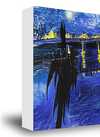
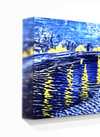
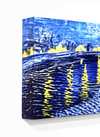
Εκτύπωση giclée ή σε καμβά ποιότητας μουσείου με γρήγορη παραγωγή και ευέλικτες επιλογές φινιρίσματος. ( Switch to hand made Painting Switch to Image)

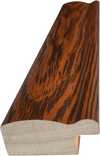
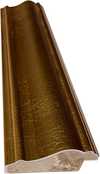
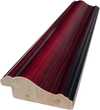
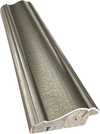
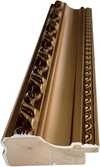
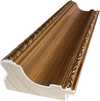
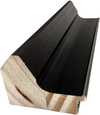
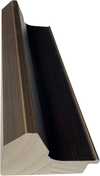
Επιλέξτε από τις προκαθορισμένες διαστάσεις μας που διατηρούν τις αρχικές αναλογίες του έργου τέχνης.

Μπορείτε να εισαγάγετε δικές σας διαστάσεις ώστε να ταιριάξουν με ένα συγκεκριμένο πλαίσιο ή χώρο. Εάν το επιλεγμένο μέγεθος δεν συμπίπτει με τις αναλογίες της πρωτότυπης εικόνας, θα κόψουμε το έργο τέχνης ή θα επεκτείνουμε την εικόνα με καθρεφτισμένη ή μονόχρωμη ατέλεια. Θα σας αποσταλεί ένα ψηφιακό mockup για έγκρισή σας πριν από την έναρξη της παραγωγής.
Παρακαλούμε σημειώστε ότι η προεπισκόπηση στην οθόνη δεν αντικατοπτρίζει την πραγματική κοπή ή επέκταση. Μόνο το mockup θα δείξει με ακρίβεια την τελική σύνθεση.
Παρόλο που είναι διαθέσιμες προσαρμοσμένες διαστάσεις, προτείνουμε την επιλογή μιας διάστασης από τη προκαθορισμένη λίστα για τη διατήρηση των αρχικών αναλογιών.
Παγκόσμια Αποστολή () σε 2 εβδομάδες αντί για τις συνήθεις 4/5 εβδομάδες. (30 Ιούλιος)


Duino-Nueve (Orrantia/92)
Διαστάσεις Αναπαραγωγής
Fernando de Szyszlo (1925-2017) stands as a monumental figure in Peruvian art history, recognized for his pioneering role in establishing abstract expressionism within Latin America while simultaneously honoring the profound legacy of Andean culture. Born in Lima to a Peruvian mother of Spanish-Indian descent and a Polish father, Szyszlo’s formative years instilled in him an appreciation for both European intellectual traditions and indigenous heritage—a duality that would profoundly shape his artistic vision. His early education at the National University of Engineering was briefly interrupted by a passion for architecture before he decisively embraced the School of Plastic Arts of Pontifical Catholic University of Peru, where he honed his skills and embarked on a journey toward profound artistic exploration.
The trajectory of Szyszlo’s career was irrevocably altered by his travels throughout Europe in the late 1940s. Immersing himself in the works of Old Masters like Rembrandt, Titian, and Tintoretto, he absorbed a mastery of dramatic lighting and emotional intensity that would later inform his unique approach to shadow and depth. His time in Paris and Florence between 1948 and 1955 placed him at the heart of the vibrant Latin American avant-garde scene centered around Café Flore. Engaging in spirited dialogues with luminaries such as the Surrealist poet Octavio Paz and André Breton, Szyszlo grappled with a central, defining tension: how to reconcile international modernist ideals with the preservation of a distinct Latin American cultural identity.
Upon returning to Peru, Szyszlo became a catalyst for artistic renewal, pushing boundaries by expressing Peruvian subjects in non-representational forms. This was a bold departure from the prevailing stylistic conventions of indigenism that dominated the era. His work sought to reinvent Surrealist themes within a Latin American context, focusing less on mere artistic conceit and more on the deep-seated feelings connected to indigenous mysticism. By weaving pre-Columbian imagery and Incan motifs into the fabric of abstraction, he created a visual language that felt both ancient and avant-garde.
His technique was characterized by a masterful manipulation of texture and light. Through the use of thick impasto, layered colors, and a frequently muted palette, Szyszlo evoked the weathered surfaces of archaeological relics and the atmospheric weight of Andean landscapes. His paintings often feature:
The historical significance of Fernando de Szyszlo cannot be overstated; he was the bridge between the ancestral past and the modern future. His ability to articulate modernity through pre-Columbian symbolism generated a profound rupture with tradition while simultaneously entering into a deep, respectful dialogue with it. He did not merely paint abstractly; he sought to find the "soul" of Peru within the language of international abstraction, ensuring that the indigenous spirit was not lost in the transition to modernism.
Beyond his canvas, Szyszlo was a humanist and an educator, serving as a professor of art at Cornell University and contributing significantly to the intellectual life of his country. Today, his legacy is preserved in some of the world's most prestigious institutions, including The Museum of Modern Art (MoMA) in New York, the Museum of Fine Arts in Houston, and the Museo de Arte Contemporaneo Arequipa. As we approach the centenary of his birth, Szyszlo remains a vital subject of study, reminding us that true innovation often lies in the courageous act of remembering.

1925 - 2017 , Peru
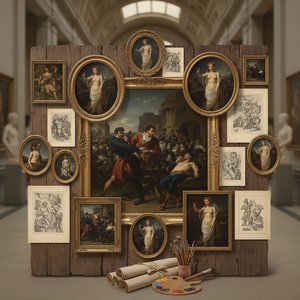
Ανακαλύψτε τους 25 κορυφαίους πίνακες του Goya! Εξερευνήστε την Ισπανική ζωγραφική, τον Ρομαντισμό και τις Μαύρες Ζωγραφίες. Βρείτε έμπνευση για διακόσμηση & υψηλής ποιότητας αναπαραγωγές τέχνης στο BuyPopArt.com.

APS ofrece reproducciones de bellas artes y encargos personalizados desde 2004. Confían en nosotros corporaciones, hoteles y coleccionistas selectos para obras de arte de calidad museística, servicio discreto y soluciones artísticas completas. ¡Póngase en contacto con nosotros para obtener un presupuesto personalizado!
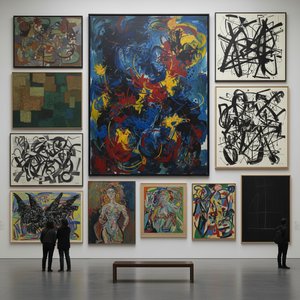
Ανακαλύψτε τα 10 εμβληματικά έργα που καθόρισαν τον Αφηρημένο Εκφρασισμό! Jackson Pollock, Mark Rothko & άλλοι. Ιστορίες, τεχνικές και έμπνευση για τη διακόσμηση του σπιτιού σας με πίνακες υψηλής ποιότητας. Εξερευνήστε την πλήρη συλλογή στο BuyPopArt.com
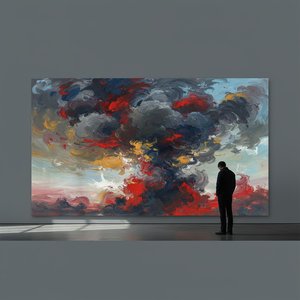
Explore the profound emotional world of Abstract Expressionism with BuyPopArt. Discover key artists like Pollock & Rothko, learn about collecting, and find museum-quality reproductions to inspire your space.
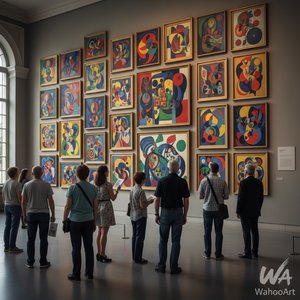
Ανακαλύψτε τα 25 κορυφαία έργα τέχνης του Βασίλι Καντίνσκι! Εξερευνήστε την αφηρημένη τέχνη, τον εξπρεσιονισμό & τα εμβληματικά χρώματα του ιδιοφυούς ζωγράφου. Αναπαραγωγές υψηλής ποιότητας για διακόσμηση και έμπνευση στο BuyPopArt.com.


Μείνετε ενημερωμένοι για τις τελευταίες ειδήσεις σχετικά με την τέχνη, αποκλειστικές προσφορές και ιδέες διακόσμησης.
Πείτε μας περισσότερα για το έργο σας και οι ειδικοί μας στην τέχνη θα σας προσφέρουν 3 εξατομικευμένες προτάσεις έργων τέχνης.
Αφήστε μας να επιμεληθούμε 3 επιλογές αποκλειστικά για εσάς – Δωρεάν!


 Preview
 Αποστολή
 Κοινοποίηση
 Λεπτομέρειες

 Λήψη
Λήψη
 Παρόμοια έργα
 Ακτινογραφία
 Παρουσίαση


 Περισσότερα λεπτομέρεια

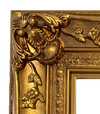
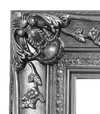
 Η επιλογή με γυαλί είναι διαθέσιμη μόνο για μεγέθη κάτω από 110 εκ.


