

 Traditional Landscape Painting
 43.0 x 59.0 cm
 The Beacon Museum
Χειροποίητη oil painting σε καμβά στο δικό σας μέγεθος και πλαίσιο, κατά παραγγελία από τους καλλιτέχνες μας. ( Αγορά εκτύπωσης Αγορά ψηφιακής εικόνας)
Επιλέξτε από τις προκαθορισμένες διαστάσεις μας που διατηρούν τις αρχικές αναλογίες του έργου τέχνης.

Μπορείτε να ορίσετε δικές σας διαστάσεις ώστε το έργο να ταιριάζει σε ένα συγκεκριμένο πλαίσιο ή χώρο. Εάν το επιλεγμένο μέγεθος δεν συμπίπτει με τις αναλογίες της αρχικής εικόνας, θα περικοψούμε το έργο ή θα επεκτείνουμε τη ζωγραφιά με πρόσθετα χειρόγραφα στοιχεία. Ένα ψηφιακό προσχέδιο θα σας αποσταλεί για έγκριση πριν την έναρξη της παραγωγής.
Παρακαλούμε σημειώστε ότι η προεπισκόπηση στην οθόνη δεν αντικατοπτρίζει την πραγματική περικοπή ή επέκταση. Μόνο το προσχέδιο θα δείξει με ακρίβεια την τελική σύνθεση.
Παρόλο που είναι διαθέσιμα προσαρμοσμένα μεγέθη, συνιστούμε να επιλέξετε μια διάσταση από τη λίστα των προκαθορισμένων μεγεθών για τη διατήρηση των αρχικών αναλογιών.
Παγκόσμια Αποστολή () σε 3-4 εβδομάδες αντί για τις συνήθεις 5 εβδομάδες. (15 Αύγουστος). Χωρίς συμβιβασμούς στην ποιότητα.


Old Mill
Διαστάσεις Αναπαραγωγής
Fred Tom Sibley, a name perhaps less heralded than some of his contemporaries, nevertheless occupies a significant niche within the pantheon of 19th and early 20th-century landscape painters. His canvases breathe with an intimate understanding of nature, particularly the rugged beauty of Wales and the serene charm of rural England. While biographical details remain somewhat elusive – a common fate for artists whose focus lay more on observation than self-promotion – Sibley’s work speaks volumes about his dedication to capturing the essence of place. Born in Richmond Hill, Surrey, in 1837, he embarked on a journey that led him through diverse landscapes, from the northern reaches of Northumberland to the heart of Wales, ultimately settling into a life deeply intertwined with the natural world.
Sibley’s early artistic training remains largely undocumented. However, his paintings reveal an affinity for the Barbizon school and the emerging Tonalist movement. The Barbizons, with their emphasis on direct observation of nature and a muted palette, clearly resonated with Sibley's aesthetic sensibilities. He eschewed dramatic compositions in favor of subtle harmonies and atmospheric effects. His time spent in Keswick, Northumberland, likely proved formative, exposing him to the grandeur of mountainous terrain and fostering a deep appreciation for light and shadow. Later, his relocation to Chelsea suggests an engagement with the London art scene, though he appears to have remained largely independent, forging his own path rather than aligning himself rigidly with any particular school or group.
It was in Wales that Sibley truly found his artistic voice. He settled there around the mid-19th century and dedicated himself to depicting the country’s picturesque mills, meadows, and mountains. His paintings from this period are characterized by a remarkable sense of tranquility and an almost palpable connection to the land. Old Mill, for example, is not merely a representation of a structure; it's a nostalgic evocation of rural life, imbued with a gentle warmth and balanced composition that draws the viewer into the scene. He masterfully captured the interplay of light on stone and water, creating an atmosphere of peaceful contemplation. His works often feature scenes around Betws-y-Coed, capturing the idyllic beauty of Cox’s Meadow and other local landmarks.
Sibley's technique was characterized by a delicate touch and a restrained palette. He favored oil on canvas, employing subtle gradations of color to create atmospheric depth and luminosity. Unlike the bold brushwork of some Impressionists, Sibley’s application was refined and precise, allowing him to render intricate details with remarkable clarity. Mountain Tarn at Dolwyddelan, exemplifies his ability to convey the vastness of a landscape while simultaneously capturing its intimate beauty. He wasn't interested in grand spectacle; rather, he sought to reveal the quiet poetry inherent in nature’s forms. His paintings are not about imposing a vision onto the landscape but about faithfully recording what he observed with sensitivity and skill.
Although Sibley did not achieve widespread fame during his lifetime, his work has garnered increasing appreciation in recent years. He represents a vital link between the Barbizon tradition and the Tonalist movement, offering a unique perspective on rural life in 19th-century Britain. His paintings provide valuable insights into the changing landscape of Wales and England, documenting scenes that have since vanished or been transformed by time. His enduring appeal lies in his ability to evoke a sense of peace and tranquility, reminding us of the beauty and fragility of the natural world. While details about his life remain sparse, Fred Tom Sibley’s legacy lives on through the evocative landscapes he so lovingly captured – mountains, mills, and meadows that continue to resonate with viewers today.
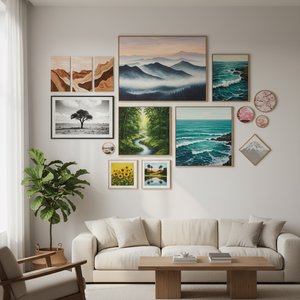
Ανακαλύψτε τα 10 κορυφαία έργα τέχνης που αποτυπώνουν την ομορφιά του τοπίου! Από Monet έως Van Gogh, εξερευνήστε ιστορίες, τεχνικές & χρώματα. Βρείτε πίνακες για διακόσμηση στο BuyPopArt.gr.

Explore the captivating world of 19th-century landscape painting! Discover renowned artists like Friedrich & Monet, key movements, and find the perfect artwork to bring nature's serenity into your home. Expert insights at BuyPopArt.

Ανακαλύψτε τους 10 πίνακες που καθόρισαν τον Ρομαντισμό στην τοπιογραφία! Friedrich, Turner & άλλοι. Ιστορίες τέχνης, τεχνικές και έμπνευση για διακόσμηση σπιτιού. Βρείτε αναπαραγωγές υψηλής ποιότητας στο BuyPopArt.com.
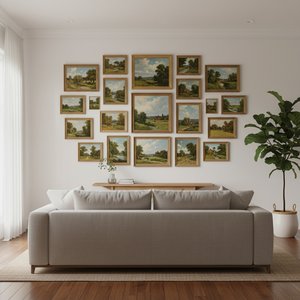
Ανακαλύψτε τα 25 κορυφαία έργα τέχνης του John Constable! Εξερευνήστε την αγγλική τοπιογραφία, τον ρομαντισμό και τη μαγεία της φύσης. Υψηλής ποιότητας αναπαραγωγές & ιδέες διακόσμησης στον χώρο σας. Ανακαλύψτε όλα τα αριστουργήματα στο BuyPopArt.com
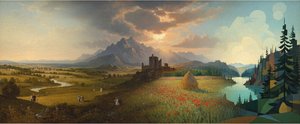
Explore the rich history of landscape art with BuyPopArt. Discover renowned artists, movements like Impressionism & Romanticism, and expert guidance for collecting timeless pieces. Find your perfect serene escape today!


Μείνετε ενημερωμένοι για τις τελευταίες ειδήσεις σχετικά με την τέχνη, αποκλειστικές προσφορές και ιδέες διακόσμησης.
Πείτε μας περισσότερα για το έργο σας και οι ειδικοί μας στην τέχνη θα σας προσφέρουν 3 εξατομικευμένες προτάσεις έργων τέχνης.
Αφήστε μας να επιμεληθούμε 3 επιλογές αποκλειστικά για εσάς – Δωρεάν!


 Δείτε σε πραγματικό χώρο
 Αποστολή
 Κοινοποίηση
 Λεπτομέρειες

 Λήψη
Λήψη
 Παρόμοια αντικείμενα συλλογής
 Ακτινογραφία
 Παρουσίαση
 Διαβάστε περισσότερα




































 Η επιλογή με γυαλί είναι διαθέσιμη μόνο για μεγέθη κάτω από 110 εκ.


