Sell Your Art
x
PreviewPreview Αγορά εκτύπωσης Αγορά εκτύπωσηςΑγοράστε την αναπαραγωγή Αγοράστε την αναπαραγωγή ΑποστολήΑποστολή
ΛεπτομέρειεςΛεπτομέρειες Προσθήκη στα αγαπημένα Προσθήκη στα αγαπημένα ΛήψηΛήψη Παρόμοια έργαΠαρόμοια έργα ΑκτινογραφίαΑκτινογραφία ΠαρουσίασηΠαρουσίαση

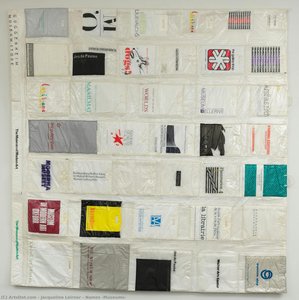
Iced Dice

  • Ημερομηνία δημιουργίας1964
  • Διαστάσεις18.0 x 18.0 cm

George Brecht (1926-2008): Pioneer of Fluxus & Conceptual Art. Explore his innovative 'Event Scores,' chance-based art, and redefining of everyday life as artistic experience.

Αγοράστε μια ψηφιακή εικόνα υψηλής ανάλυσης και βελτιωμένης ποιότητας, πολύ ανώτερης από την προεπισκόπηση στο διαδίκτυο.

Κάθε αρχείο προετοιμάζεται σχολαστικά από τους ειδικούς μας, χρησιμοποιώντας προηγμένα εργαλεία και εξειδικευμένο χειροκίνητο ρετουσάρισμα. Εξασφαλίζουμε ότι κάθε εικόνα διαθέτει εξαιρετική ευκρίνεια, απόλυτη πιστότητα στο χρώμα και λεπτομερή ανάδραση των λεπτομερειών.

Το τελικό αρχείο παραδίδεται μέσω email εντός 72 ωρών, βελτιστοποιημένο για άμεση χρήση σε επαγγελματικά, εκδοτικά και έντυπα περιβάλλοντα. Πρόκειται για την ίδια ποιότητα που εμπιστεύονται κορυφαία studios σχεδιασμού, εκδότες και γκαλερί.

Ψηφιακή εικόνα

Κατεβάστε ένα αρχείο υψηλής ανάλυσης για προσωπική χρήση, εκτύπωση και δημιουργικά έργα.

Συνολική Τιμή

$9.99

Περιλαμβάνεται σε κάθε αγορά ψηφιακής εικόνας

Επαγγελματική Ψηφιακή Παράδοση, Με Εγγύηση

Όταν επιλέγετε το BuyPopArt.com, δεν αποκτάτε απλώς μια εικόνα – λαμβάνετε ένα επαγγελματικά αναβαθμισμένο ψηφιακό έργο τέχνης, δημιουργημένο με ακρίβεια και με εγγύηση ικανοποίησης. Δείτε όλα όσα περιλαμβάνονται στην παραγγελία σας, αυτόματα:

shipping_icon
Άμεση αποστολή μέσω email

Το ψηφιακό σας αρχείο εικόνας υψηλής ανάλυσης θα σας σταλεί μέσω email εντός 72 ωρών από την παραγγελία σας — έτοιμο για άμεση χρήση.

canvas_icon
Ψηφιακό Αρχείο με Τεχνητή Νοημοσύνη

Το έργο σας βελτιστοποιείται επαγγελματικά με τη χρήση προηγμένων εργαλείων Τεχνητής Νοημοσύνης και χειροκίνητης επεξεργασίας, εξασφαλίζοντας μέγιστη λεπτομέρεια, ευκρίνεια και ακρίβεια χρωμάτων.

insurance_icon
Δωρεάν επανεκδόσεις مدى ζωής

Απώλησες ή διαγράψατε κατά λάθος το αρχείο σας; Μην ανησυχείτε — θα σας το ξαναστείλομε οποιαδήποτε στιγμή, δωρεάν.

tax_icon
Χωρίς Τελωνειακούς Φόρους - Ποτέ

Απολαύστε αμέσως τα έργα τέχνης σας χωρίς δασμούς, φόρους ή έξοδα αποστολής - οι ψηφιακές λήψεις είναι πάντα αφορεশিপτεία.

color_icon
Εγγύηση Ακριβούς Χρωματισμού

Εξασφαλίζουμε ότι η ψηφιακή σας εικόνα αποτυπώνει τα αυθεντικά χρώματα όσο το δυνατόν πιστότερα, χρησιμοποιώντας επαγγελματικά εργαλεία και διαχείριση χρωμάτων.

return_icon
Εγγύηση Ικανοποίησης 60 Ημερών

Εάν δεν είστε ικανοποιημένοι με την ψηφιακή σας εικόνα, θα την αναθεωρήσουμε ή θα σας επιστρέψουμε το 100% της αξίας της εντός 60 ημερών - χωρίς κανένα ερώτημα.

guarantee_icon
100% Εγγύηση Επιστροφής Χρήματος

Δεν είστε ικανοποιημένοι; Λάβετε πλήρη επιστροφή των χρημάτων σας εντός 60 ημερολογιακών ημερών από τη λήψη του ψηφιακού σας αρχείου — χωρίς κανένα ερώτημα.

discount_icon
Εκπτώσεις για Μαζικές Παραγγελίες

Αγοράστε 3 εικόνες, κάντε εξοικονόμηση 10% - Αγοράστε 5, κάντε εξοικονόμηση 15% - Αγοράστε 10+, κάντε εξοικονόμηση 20%. Ιδανικό για δημιουργικά έργα, γκαλερί και agencies.


Βιογραφικό Καλλιτέχνη

The Alchemist of the Everyday: George Brecht and the Art of Chance

George Brecht, born George Ellis MacDiarmid in 1926 New York City, was a quietly revolutionary figure whose work dismantled conventional notions of art, performance, and even experience itself. His journey from a practicing chemist to a pivotal conceptual artist and key precursor to Fluxus is a testament to the power of interdisciplinary thinking and a profound curiosity about the underlying structures of reality. Brecht wasn’t interested in creating objects of beauty or expressing personal emotion; instead, he sought to reveal the inherent artistry within everyday actions, chance occurrences, and the very fabric of perception. This pursuit stemmed from a deep-seated belief that art shouldn't be confined to galleries or museums but should permeate life itself, becoming an active, participatory experience for all. His early life was marked by relocation and even a change in identity—adopting “Brecht” after his marriage—perhaps foreshadowing his later dismantling of established artistic norms. While formally trained as a chemist, a profession he continued to practice alongside his art for many years, it was this scientific background that provided him with the framework for exploring systems, chance operations, and the unpredictable nature of materials.

From Chance Imagery to Event Scores: A New Artistic Language

Brecht’s intellectual foundations were laid during his time studying chemistry, where he began formulating theories about the role of chance in both scientific processes and artistic creation. This exploration culminated in *Chance Imagery*, a seminal text completed in 1957 but gaining wider circulation later, revealing an affinity for Dadaist and Surrealist projects alongside the groundbreaking work of Marcel Duchamp. It was during this period that he began his “chance paintings,” created by staining bed sheets with ink—a deliberate relinquishing of conscious control to embrace the unpredictable behavior of materials. These early experiments weren’t about achieving a specific aesthetic outcome but rather about setting up conditions for something unexpected to emerge, laying the groundwork for his most influential contribution: event scores. His collaborations with Allan Kaprow and Robert Watts were crucial in this development, leading to the creation of the *Yam Festival*, a series of participatory events designed to challenge traditional definitions of art and performance. It was within this context that Brecht invented event scores—simple, open-ended instructions for everyday tasks, intended to be performed publicly, privately, or even negated altogether. These weren’t prescriptive rules but rather invitations to engage with the world in a new way, prompting performers (and audiences) to become active creators of artistic experience.

The Cagean Influence and Redefining Artistic Boundaries

A transformative period in Brecht's development was his study with John Cage in 1957. The encounter profoundly impacted his artistic philosophy; Cage’s emphasis on prioritizing thought over aesthetics resonated deeply, reinforcing Brecht’s own inclination towards dematerialization and conceptual rigor. Cage encouraged a shift away from seeking beauty or emotional expression in art, instead advocating for an embrace of indeterminacy and the inherent qualities of sound (or, by extension, any sensory experience). This influence is palpable in the structure of event scores: concise phrases like “look at the movement of your hand” or “listen to the sound of your breath,” deliberately open-ended, allowing for a multitude of interpretations. The power of these instructions lies not in their complexity but in their simplicity—they invite mindful attention to the mundane, transforming everyday actions into potential artistic events. Furthermore, Brecht’s inclusion of the option to perform an event score *negatively* – choosing not to act at all – was a radical gesture, questioning the very necessity of performance and challenging conventional notions of art as action. This subtle yet profound element underscored his commitment to dismantling established hierarchies and expanding the boundaries of artistic possibility.

A Legacy of Participation and Conceptual Innovation

George Brecht’s impact on the landscape of contemporary art is undeniable. He stands as a key figure in the development of conceptual art, an art form that prioritizes ideas over traditional aesthetic concerns, and served as a crucial precursor to the Fluxus movement—a collective of artists who actively sought to blur the lines between art and life. His emphasis on audience participation and engagement continues to resonate with contemporary artists working in participatory art practices, inspiring them to create works that demand active involvement rather than passive observation. Brecht’s work wasn't about creating finished objects but about initiating processes, prompting reflection, and fostering a sense of shared experience. He redefined the role of the artist not as a creator of masterpieces but as a facilitator of encounters—encounters with oneself, with others, and with the world around us. His legacy extends beyond specific artworks; it lies in his enduring contribution to a way of thinking about art that is open-ended, inclusive, and deeply embedded in the rhythms of everyday life. He demonstrated that art isn't something separate from existence but an integral part of it—a lens through which we can perceive the world with renewed curiosity and wonder.
George Brecht

George Brecht

1926 - 2008 , United States of America

Σύντομα στοιχεία

  • Artistic Movement Or Style: Conceptual Art, Fluxus
  • Artists Or Movements Influenced By This Artist:
    • Fluxus
    • Conceptual Art
    • Performance Art
  • Artists Who Influenced This Artist:
    • Marcel Duchamp
    • John Cage
  • Date Of Birth: 1926
  • Date Of Death: 2008
  • Full Name: George Brecht
  • Nationality: American
  • Notable Artworks:
    • Event Scores
    • Chance Paintings
    • Drip Music
    • Word Event
  • Place Of Birth: New York City, USA