Εκτύπωση giclée ή σε καμβά ποιότητας μουσείου με γρήγορη παραγωγή και ευέλικτες επιλογές φινιρίσματος. ( Μετάβαση σε χειροποίητη ζωγραφική Μετάβαση σε Εικόνα)





























Επιλέξτε από τις προκαθορισμένες διαστάσεις μας που διατηρούν τις αρχικές αναλογίες του έργου τέχνης.

Μπορείτε να εισαγάγετε δικές σας διαστάσεις ώστε να ταιριάξουν με ένα συγκεκριμένο πλαίσιο ή χώρο. Εάν το επιλεγμένο μέγεθος δεν συμπίπτει με τις αναλογίες της πρωτότυπης εικόνας, θα κόψουμε το έργο τέχνης ή θα επεκτείνουμε την εικόνα με καθρεφτισμένη ή μονόχρωμη ατέλεια. Θα σας αποσταλεί ένα ψηφιακό mockup για έγκρισή σας πριν από την έναρξη της παραγωγής.
Παρακαλούμε σημειώστε ότι η προεπισκόπηση στην οθόνη δεν αντικατοπτρίζει την πραγματική κοπή ή επέκταση. Μόνο το mockup θα δείξει με ακρίβεια την τελική σύνθεση.
Παρόλο που είναι διαθέσιμες προσαρμοσμένες διαστάσεις, προτείνουμε την επιλογή μιας διάστασης από τη προκαθορισμένη λίστα για τη διατήρηση των αρχικών αναλογιών.
Παγκόσμια Αποστολή () σε 2 εβδομάδες αντί για τις συνήθεις 4/5 εβδομάδες. (9 Αύγουστος)


Beech
Διαστάσεις Αναπαραγωγής
Georges Braque’s “Beech,” painted in 1906, isn’t merely a depiction of a woodland scene; it’s a profound exploration of perception and the very nature of representation. Born amidst the burgeoning artistic ferment of early 20th-century Paris, Braque was deeply influenced by Paul Cézanne's radical approach to capturing form – his insistence on analyzing objects into their fundamental geometric components. “Beech” embodies this legacy, yet it transcends simple imitation, forging a distinctly Cubist vision that simultaneously dismantles and reassembles the familiar world.
The painting immediately arrests the eye with its muted palette—a symphony of grays, ochres, and subtle blues – creating an atmosphere of quiet contemplation. It’s not a vibrant, celebratory landscape; rather, it possesses a melancholic beauty, suggesting a scene viewed through a veil of memory or perhaps even dream. The dominant tree, the beech itself, is rendered with fragmented planes and overlapping perspectives, its form dissolving into a series of interlocking geometric shapes. This isn't an attempt to create photographic realism, but instead to convey the *experience* of seeing – how our eyes perceive multiple viewpoints simultaneously.
Braque’s approach aligns closely with the principles of early Cubism, a movement he co-founded with Pablo Picasso. Cubists rejected traditional single-point perspective, opting instead to present objects from various angles at once. This technique creates an illusion of depth and volume through the layering of shapes and planes. In “Beech,” we see not just one beech tree, but several simultaneous views of it – a trick of the eye that challenges our ingrained assumptions about how things are supposed to look. The rough edges and uneven canvas suggest a deliberate rejection of smooth surfaces and polished finishes, reflecting the movement’s desire to break free from academic conventions.
Beyond its purely formal innovations, “Beech” carries a subtle symbolic weight. Beech trees are often associated with resilience, longevity, and strength – qualities mirrored in the painting’s solid, grounded presence despite its fragmented form. The inclusion of what appears to be a stream or river winding through the landscape adds an element of fluidity and movement, suggesting the passage of time and the interconnectedness of nature. The splash of red—a small, almost defiant burst of color—could represent life force, vitality, or perhaps even a hint of human presence within this otherwise austere environment.
Furthermore, the painting’s title itself – “Beech” – is significant. It's not simply naming the subject; it’s anchoring the abstraction in a tangible reality, inviting us to contemplate the essence of the tree and its place within the broader landscape. The artist’s signature, visible on the lower right corner, reinforces this connection, reminding us that we are looking at an original work created by a master of modern art.
“Beech” stands as a pivotal work in the development of Cubism and a testament to Braque’s pioneering spirit. It demonstrates his willingness to experiment with new techniques and challenge established artistic conventions, paving the way for future generations of artists. Reproductions of this painting offer a captivating glimpse into the mind of one of the 20th century's most influential figures – an artist who redefined our understanding of space, form, and representation. Its enduring appeal lies in its ability to simultaneously challenge and soothe, inviting viewers to engage with the complexities of perception and the beauty of the natural world.
Ο Georges Braque, γεννημένος στο Argenteuil της Γαλλίας το 1882, ξεκίνησε ένα μονοπάτι βαθιά συνδεδεμένο με την εξελισσόμενη τοπιογραφία της μοντέρνας τέχνης. Η ανατροφή του μέσα σε μια οικογένεια οικοδομικών καλλιτεχνών και διακοσμητών του εμφύτευσε όχι μόνο μια τεχνική επάρκεια στα υλικά, αλλά και μια πρώιμη εκτίμηση για τη μορφή και τη δομή. Παρόλο που αρχικά ακολούθησε το επάγγελμα του πατέρα του, οι εγγενείς καλλιτεχνικές του κλίσεις οδήγησαν γρήγορα σε επίσημη εκπαίδευση στην École des Beaux-Arts στο Le Havre, σηματοδοτώντας την αρχή του ταξιδιού του προς το να γίνει ένας από τους πιο επιδραστικούς ζωγράφους του 20ου αιώνα. Αυτή η βάση—ένας συνδυασμός πρακτικής δεξιοτεχνίας και ακαδημαϊκής μελέτης—αποδείχθηκε καθοριστική καθώς αργότερα αποδόμησε και αναπλάθεσε τις παραδοσιακές καλλιτεχνικές συμβάσεις.
Μετακομίζοντας στο Παρίσι το 1902, ο Braque συνέχισε τις σπουδές του στην Académie Humbert, βυθιζόμενος στο ζωντανό καλλιτεχνικό περιβάλλον της πόλης. Εκεί ήρθε σε επαφή με καλλιτέχνες όπως η Marie Laurencin και ο Francis Picabia, δημιουργώντας δεσμούς που θα διαμόρφωσε την πρώιμη ανάπτυξή του. Τα αρχικά του έργα αντηχούσαν τις επικρατούσες επιρροές του Ε impressionισμού και του Post-Impressionισμού, αλλά μια κομβική συνάντηση με τα τολμηρά χρώματα και την εκφραστική ελευθερία του Fauvism το 1905 πυροδότησε μια νέα κατεύθυνση στην καλλιτεχνική του εξερεύνηση.
Η υιοθέτηση των αρχών του Fauvism από τον Braque—χαρακτηρισμένη από έντονο, μη φυσιολογιστικό χρώμα και συναισθηματική έκφραση—παρουσιάζεται ζωντανά σε πίνακες όπως το The Patience. Αυτή η περίοδος τον είδε να εργάζεται δίπλα σε καλλιτέχνες όπως ο Henri Matisse και ο André Derain, πειραματιζόμενος με ζωντανές παλέτες και απλοποιημένες μορφές. Ωστόσο, η συμμετοχή του Braque στο Fauvism δεν ήταν απλώς μιμητική· του πρόσθεσε μια μοναδική ευαισθησία, μετρημένη την ανεξέλεγκτη ενθουσιασμό της κίνησης με μια πιο συγκρατημένη και αναλυτική προσέγγιση.
Ένα σημείο καμπής ήρθε το 1907 με την έκθεση των έργων του Paul Cézanne. Η έμφαση του Cézanne στις γεωμετρικές μορφές και τις πολλαπλές προοπτικές επηρέασε βαθιά τον Braque, προετοιμάζοντας το σκηνικό για την πρωτοποριακή του συνεργασία με τον Pablo Picasso. Ξεκινώντας από το 1908, αυτοί οι δύο καλλιτεχνικοί κολοσσοί ξεκίνησαν μια περίοδο έντονης πνευματικής ανταλλαγής που θα γέννησε τον Cubism—μια επαναστατική κίνηση που διέλυσε τις παραδοσιακές έννοιες της αναπαράστασης.
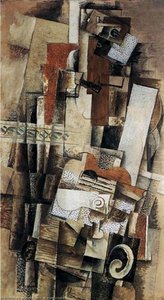
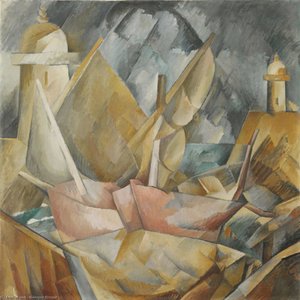
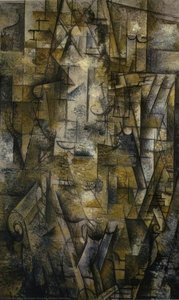
Μαζί, ο Braque και ο Picasso ανέπτυξαν τον Αναλυτικό Κυβισμό (Analytical Cubism), αποσυναρμολογώντας αντικείμενα σε θραύσματα γεωμετρικών σχημάτων και παρουσιάζοντας ταυτόχρονα πολλαπλές οπτικές γωνίες. Έργα όπως το Houses at L'Estaque επιδεικνύουν αυτή την πρώιμη φάση, αναδεικνύοντας μια ριζοσπαστική απόκλιση από την παραδοσιακή προοπτική και μια εστίαση στη θεμελιώδη δομή των μορφών. Η παλέτα τους έγινε σκόπιμα πιο ήρεμη, δίνοντας έμφαση στη μορφή έναντι του χρώματος, καθώς επιδίωκαν να αναπαραστήσουν τη συνολικότητα της παρουσίας ενός αντικειμένου και όχι απλώς την εμφάνισή του.
Η συνεργασία μεταξύ Braque και Picasso συνέχισε να σπρώχνει τα όρια της καλλιτεχνικής έκφρασης, οδηγώντας στην ανάπτυξη του Συνθετικού Κυβισμού (Synthetic Cubism) γύρω στο 1912. Αυτή η φάση είδε την εισαγωją της κόλατζ (collage)—της ενσωμάτωσης υλικών από τον πραγματικό κόσμο, όπως κομμάτια εφημερίδας, ταπετσαρία και ύφασμα, μέσα στους πίνακες. Αυτή η καινοτομία αμφισβήτησε την παραδοσιακή ιεραρχία μεταξύ ζωγραφικής και γλυπτικής, θολώνοντας τα όρια μεταξύ τέχνης και ζωής.
Η πρωτοποριακή χρήση του *papier collé* (κολλημένο χαρτί) από τον Braque σήμανε ένα σημαντικό σημείο καμπής στην καλλιτεχνική του εξέλιξη. Ενσωματώνοντας κομμάτια καθημερινών αντικειμένων στις συνθέσεις του, διατάραξε τον ψευδαισθητικό χώρο της παραδοσιακής ζωγραφικής και εισήγαγε ένα νέο επίπεδο υλικότητας και υφής. Αυτή η τεχνική δεν επέκτεινε μόνο τις μορφολογικές δυνατότητες της τέχνης, αλλά ανέθεσε επίσης ένα αυξανόμενο ενδιαφέρον για τη σχέση μεταξύ αναπαράστασης και πραγματικότητας.
Η έκρηξη του Α' Παγκοσμίου Πολέμου το 1914 προκάλεσε μια διακοπή σε αυτή την έντονη συνεργασία, καθώς ο Braque κλήθηκε για στρατιωτική θήραση. Οι εμπειρίες του στον πόλεμο επηρέασαν βαθιά την καλλιτεπτική του όραση, οδηγώντας τον να εξερευνήσει πιο προσωπικά και λυρικά θέματα στα έργα του μετά τον πόλεμο.
Μετά τον πόλεμο, το στυλ του Braque εξελίχθηκε πέρα από τα αυστηρά όρια του Κυβισμού, ενσωματώνοντας στοιχεία κλασικής σύνθεσης και ένα ανανεωμένο ενδιαφέρον για το αττούτο (still life). Διατηρώντας τις γεωμετρικές επιρροές που είχαν χαρακτηρίσει το πρώιμο έργο του, ανέπτυξε μια πιο λεπτομερή και στοχαστική προσέγγιση στη ζωγραφική. Τα μεταγενέστερα τοπία και τα εσωτερικά του χώροι χαρακτηρίζονται από την γαλήνια ατμόσφαιρά τους και τις αστραφτερές αρμονίες των χρωμάτων.
Κατά τη διάρκεια της καριέρας του, ο Braque παρέμεινε αφοσιωμένος στην εξερεύνηση των θεμελιωδών αρχών της μορφής, του χώρου και της αναπαράστασης. Συνέχισε να πειραματίζεται με διαφορετικά υλικά και τεχνικές, σπρώχνοντας τα όρια της καλλιτεχνικής έκφρασης μέχρι τον θάνατό του το 1963. Η επιρροή του στις επόμενες γενιές καλλιτεχνών είναι αβάσταχτη, διαμορφώνοντας την πορεία της μοντέρνας τέχνης και εμπνέοντας αμέτρητους ζωγράφους, γλύπτες και δημιουργούς κόλατζ.
Η κληρονομιά του Georges Braque εκτείνεται πέρα από τα μεμονωμένα έργα του· άλλαξε θεμελιωδώς την κατανόησή μας για το πώς αντιλαμβανόμαστε και αναπαριστούμε τον κόσμο γύρω μας. Το συνεργατικό του πνεύμα με τον Picasso, σε συνδυασμό με την ίδια μοναδική καλλιτεχνική του όραση, σφράγισε τη θέση του ως αληθινός πρωτοπόρος της μοντέρνας τέχνης—έναν δάσκαλο που τόλμησε να αμφισβητήσει τις συμβάσεις και να επαναπροσδιορίσει τις δυνατότητες της ζωγραφικής.
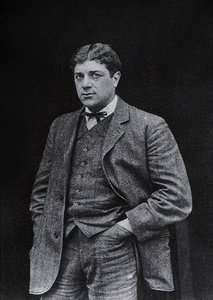
1882 - 1963 , Γαλλία

Explore the captivating landscapes of Alfred Worthington (1834-1927), a pivotal figure bridging Victorian realism & early Impressionism. Discover his Welsh hunting scenes, artistic evolution, and collecting guide.

Explore the life & art of George Barret Sr., a pioneer of British pastoral painting. Discover his influence on Romantic landscape art, patronage, and collecting tips from BuyPopArt.

Explore the captivating landscapes of George Elbert Burr, a pioneer of American Tonalism. Discover his masterful etchings, drypoints & watercolors – and learn about collecting this influential artist's work.

Explore the evolution of cityscape painting from Realism to contemporary art with BuyPopArt. Discover key artists & invest in timeless urban visions. Expert guidance, museum-quality reproductions.

Explore the rich history of trees in painting! Discover symbolism, Romantic masterpieces by Caspar David Friedrich & beyond. A curated journey for art enthusiasts.


Μείνετε ενημερωμένοι για τις τελευταίες ειδήσεις σχετικά με την τέχνη, αποκλειστικές προσφορές και ιδέες διακόσμησης.
Πείτε μας περισσότερα για το έργο σας και οι ειδικοί μας στην τέχνη θα σας προσφέρουν 3 εξατομικευμένες προτάσεις έργων τέχνης.
Αφήστε μας να επιμεληθούμε 3 επιλογές αποκλειστικά για εσάς – Δωρεάν!


 Προεπισκόπηση
 Αποστολή
 Κοινοποίηση
 Λεπτομέρειες

 Λήψη
Λήψη
 Παρόμοια έργα
 Ακτινογραφία
 Παρουσίαση
 Περισσότερα λεπτομέρεια







 Η επιλογή με γυαλί είναι διαθέσιμη μόνο για μεγέθη κάτω από 110 εκ.