

 Oil On CanvasWallArtRenaissance Mannerism
 1573
1573 76.0 x 64.0 cm
 Μουσείο του Λούβρου
Εκτύπωση giclée ή σε καμβά ποιότητας μουσείου με γρήγορη παραγωγή και ευέλικτες επιλογές φινιρίσματος. ( Αγορά χειροποίητου πίνακα Αγορά ψηφιακής εικόνας)





























Επιλέξτε από τις προκαθορισμένες διαστάσεις μας που διατηρούν τις αρχικές αναλογίες του έργου τέχνης.

Μπορείτε να εισαγάγετε δικές σας διαστάσεις ώστε να ταιριάξουν με ένα συγκεκριμένο πλαίσιο ή χώρο. Εάν το επιλεγμένο μέγεθος δεν συμπίπτει με τις αναλογίες της πρωτότυπης εικόνας, θα κόψουμε το έργο τέχνης ή θα επεκτείνουμε την εικόνα με καθρεφτισμένη ή μονόχρωμη ατέλεια. Θα σας αποσταλεί ένα ψηφιακό mockup για έγκρισή σας πριν από την έναρξη της παραγωγής.
Παρακαλούμε σημειώστε ότι η προεπισκόπηση στην οθόνη δεν αντικατοπτρίζει την πραγματική κοπή ή επέκταση. Μόνο το mockup θα δείξει με ακρίβεια την τελική σύνθεση.
Παρόλο που είναι διαθέσιμες προσαρμοσμένες διαστάσεις, προτείνουμε την επιλογή μιας διάστασης από τη προκαθορισμένη λίστα για τη διατήρηση των αρχικών αναλογιών.
Παγκόσμια Αποστολή () σε 2 εβδομάδες αντί για τις συνήθεις 4/5 εβδομάδες. (24 Αύγουστος)


Winter
Διαστάσεις Αναπαραγωγής
Giuseppe Arcimboldo's "Winter," painted in 1573, isn’t merely a portrait; it’s an immersive experience. Within its meticulously constructed frame resides a man – or perhaps a composite of many men – sculpted entirely from the bounty and stark beauty of winter itself. The painting immediately arrests the eye with its audacious composition: a head formed from bare branches, frosted berries, and the ghostly suggestion of snow, all rendered in rich oils on canvas. It’s a visual paradox, simultaneously familiar and utterly alien, inviting prolonged contemplation and revealing layers of meaning with each return glance.
Arcimboldo, born in Milan in 1527, was a master of illusion and allegory, a skill honed during his service to Emperor Maximilian II. He moved beyond the traditional confines of portraiture, embracing a Mannerist style characterized by its deliberate distortion and inventive use of materials. “Winter” exemplifies this perfectly – it’s not simply a depiction of winter; it's an *embodiment* of the season, a powerful statement about nature’s resilience and the cyclical rhythms of life and death. The painting emerged from a commission intended for Elector Augustus of Saxony, reflecting the complex political landscape of 16th-century Europe where art served as both propaganda and a symbol of diplomatic relations.
Every element within “Winter” is laden with symbolic weight. The stark branches, devoid of leaves, represent the dormancy of winter, but also hint at potential renewal beneath the frozen surface. The scattered apples – a recurring motif in Arcimboldo’s work – are potent symbols of abundance, fertility, and even mortality; their ripeness juxtaposed against the coldness creates a poignant tension. The small fruits adorning the eyes and mouth aren't merely decorative; they suggest a fleeting beauty, a momentary pleasure before succumbing to the inevitable passage of time. Even the dark background serves to amplify the brilliance of the assembled elements, drawing the viewer’s attention to the intricate details and forcing them to actively engage with the composition.
Notice the careful placement of the flowers nestled amongst the branches – delicate pink blossoms offering a fragile counterpoint to the ruggedness of the winter landscape. These small touches elevate the painting beyond a simple assemblage, transforming it into a carefully orchestrated meditation on beauty and decay. The use of red fruit for the lips is particularly striking, providing a vibrant burst of color against the predominantly brown and white palette, emphasizing the vitality that persists even in the coldest months.
Arcimboldo’s technical skill is undeniable. The oil on canvas medium allowed him to achieve remarkable detail and luminosity, capturing the textures of bark, fruit, and frost with astonishing precision. Measuring 76 x 64 cm, the painting possesses an intimate scale that invites close examination – a deliberate choice by Arcimboldo to draw the viewer into his elaborate creation. The meticulous layering of paint and the careful arrangement of objects demonstrate a profound understanding of perspective and composition, hallmarks of a true master.
“Winter,” along with Arcimboldo’s other “Four Seasons” paintings, remains a testament to the artist's unique vision and his ability to transform everyday objects into extraordinary works of art. His innovative approach profoundly influenced subsequent generations of artists, paving the way for surrealist and pop-art movements. Today, these masterpieces reside in the Musée du Louvre, continuing to captivate audiences with their playful complexity and enduring beauty. A reproduction by BuyPopArt.com offers a stunning opportunity to bring this iconic image into your home or office, allowing you to appreciate Arcimboldo’s genius for years to come.
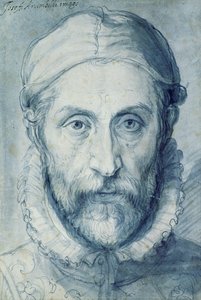
1527 - 1593 , Ιταλία

Explore the rich history of flower symbolism in Western painting! Discover how artists from the Renaissance to Modernism used blossoms to convey meaning, emotion & beauty. Learn about iconic artworks and movements.

Explore the captivating history of flower painting! Discover Dutch masters, symbolic meanings, & botanical art. Expert insights & high-quality reproductions at BuyPopArt.

Ανακαλύψτε τα 10 αριστουργήματα του Μανιερισμού! Pontormo, El Greco & άλλοι ζωγράφοι που επαναπροσδιόρισαν την τέχνη. Ιστορία, τεχνικές & έμπνευση για διακόσμηση σπιτιού. Εξερευνήστε τη συλλογή στο BuyPopArt.com.

Explore the fascinating world of Mannerism! Discover its key characteristics, pioneering artists like Pontormo & Bronzino, and its pivotal role in bridging Renaissance harmony to Baroque drama. A comprehensive guide for art enthusiasts.

Explore the rich history of floral painting! Discover symbolism, techniques & masterpieces from Van Huysum to O'Keeffe. Expert insights for art lovers & collectors at BuyPopArt.


Μείνετε ενημερωμένοι για τις τελευταίες ειδήσεις σχετικά με την τέχνη, αποκλειστικές προσφορές και ιδέες διακόσμησης.
Πείτε μας περισσότερα για το έργο σας και οι ειδικοί μας στην τέχνη θα σας προσφέρουν 3 εξατομικευμένες προτάσεις έργων τέχνης.
Αφήστε μας να επιμεληθούμε 3 επιλογές αποκλειστικά για εσάς – Δωρεάν!


 Δείτε σε πραγματικό χώρο
 Αποστολή
 Κοινοποίηση
 Λεπτομέρειες

 Λήψη
Λήψη
 Παρόμοια αντικείμενα συλλογής
 Ακτινογραφία
 Παρουσίαση
 Διαβάστε περισσότερα







 Η επιλογή με γυαλί είναι διαθέσιμη μόνο για μεγέθη κάτω από 110 εκ.


