Sell Your Art
x
PreviewPreview Αγορά εκτύπωσης Αγορά εκτύπωσηςΑγορά ψηφιακής εικόνας Αγορά ψηφιακής εικόνας ΑποστολήΑποστολή
ΛεπτομέρειεςΛεπτομέρειες Προσθήκη στα αγαπημένα Προσθήκη στα αγαπημένα ΛήψηΛήψη Παρόμοια έργαΠαρόμοια έργα ΑκτινογραφίαΑκτινογραφία ΠαρουσίασηΠαρουσίαση

Arion

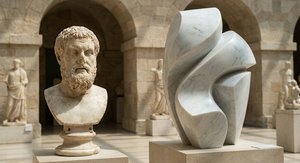
Explore 'Arion' by il riccio – a striking monochrome sculpture of a Roman figure. Discover Mannerist details, classical influence & emotive power in this unique artwork.

Explore the dramatic & unsettling works of il riccio (1505-1571), a Mannerist painter known for 'The Rape of Europa' and intense, symbolic scenes.

Χειροποίητη Αναπαραγωγή σε Έλαιο

Χειροποίητη α óleo σε καμβά στο δικό σας μέγεθος και πλαίσιο, κατά παραγγελία από τους καλλιτέχνες μας.

Standard
custom
CM
INCH

Επιλέξτε από τις προκαθορισμένες διαστάσεις μας που διατηρούν τις αρχικές αναλογίες του έργου τέχνης.

πλάτος
ύψος

Μπορείτε να εισάγετε δικές σας διαστάσεις για να ταιριάξετε το έργο με ένα συγκεκριμένο πλαίσιο ή χώρο. Εάν το επιλεγμένο μέγεθος δεν συμπίπτει με τις αναλογίες της αρχικής εικόνας, θα περικοψούμε το έργο τέχνης ή θα επεκτείνουμε τη ζωγραφιά με πρόσθετα χειρόγραφα στοιχεία. Ένα ψηφιακό προσχέδιο θα σας σταλεί για έγκριση πριν την έναρξη της παραγωγής.
Παρακαλούμε σημειώστε ότι η προεπισκόπηση στην οθόνη δεν αντικατοπτρίζει την πραγματική περικοπή ή επέκταση. Μόνο το προσχέδιο θα δείξει με ακρίβεια την τελική σύνθεση.
Παρόλο που είναι διαθέσιμα προσαρμοσμένα μεγέθη, συνιστούμε να επιλέξετε μια διάσταση από τη λίστα των προκαθορισμένων μεγεθών για τη διατήρηση των αρχικών αναλογιών.

Παραδείγματα αλλαγών: Αντικατάσταση προσώπου με φωτογραφία του πελάτη· Προσθήκη κατοικίδιου (π.χ., αντικατάσταση γάτας με σκύλο)· Ενσωμάτωση κρυφού μηνύματος στο φόντο· Αλλαγή τοπίου ή στοιχείων του φόντου.
Μετά την παραγγελία, η ομάδα του BuyPopArt.com θα στείλει email στον πελάτη για οδηγίες και θα παρέχει μια προεπισκόπηση προσχεδίου

Παγκόσμια Αποστολή () σε 3/4 εβδομάδες αντί για τις συνήθεις 5 εβδομάδες. (28 Ιούλιος). Χωρίς συμβιβασμούς στην ποιότητα.

why_choose_icon
Δωρεάν Παγκόσμια Αποστολή Express
why_choose_icon
Κάμβας από Λινό Υψηλής Ποιότητας
why_choose_icon
Πλήρης ασφάλιση μεταφοράς
why_choose_icon
Εγγύηση Επιστροφής Δασμών και Φόρων
why_choose_icon
Εγγύηση Απόλυτης Ομοιότητας Χρωμάτων
why_choose_icon
Πολιτική Επιστροφής 60 Ημερών (Μόνο σε περίπτωση ελαττωμάτων)
why_choose_icon
Εγγύηση επιστροφής 100% των χρημάτων
why_choose_icon
Έκπτωση για πολλαπλές παραγγελίες

Συνολικό Κόστος

-

reproduction

Arion

Τεχνική Αναπαραγωγής

Διαστάσεις Αναπαραγωγής

-

Τελική Τιμή

-


Βιογραφία Καλλιτέχνη

Bartolomeo Neroni: A Shadowed Genius of the Florentine Mannerist School

Bartolomeo Neroni (1505 – 1571) remains a figure shrouded in mystery, an artist whose prolific output belies scant biographical information. Born in Siena, he ascended to prominence during the turbulent Renaissance era, establishing himself as a sculptor and architect of considerable renown alongside his brother Giovanni Battista Neroni, who served as papal architect for decades. Despite the lack of detailed documentation concerning his personal life—he married Isabella Ursellini and had several children—Neroni’s artistic legacy speaks volumes about his contribution to Florentine Mannerism and its broader impact on European art history.
  • Early Life & Training: Neroni's formative years were spent in Siena, where he honed his sculptural skills under the tutelage of Giovanni Battista Buoncompagni, a renowned sculptor himself. This mentorship instilled in him a deep appreciation for classical ideals and techniques, shaping his artistic sensibilities from an early age.
  • Architectural Career: Neroni’s architectural ambitions quickly surpassed his sculptural pursuits. He undertook numerous commissions throughout Tuscany and Umbria, designing churches, palaces, and villas that exemplify the grandeur and sophistication of Mannerist architecture. Notably, he collaborated with Andrea Palladio on the Basilica di Santa Maria Assunta in Padua, a project that cemented his reputation as one of Italy’s foremost architects.
  • Sculptural Output: Neroni produced an impressive array of sculptures, ranging from monumental equestrian portraits to intimate devotional figures. His works are characterized by dramatic poses, expressive gestures, and meticulous attention to detail—traits emblematic of the Mannerist style. He skillfully employed bronze casting techniques, achieving remarkable realism and conveying profound psychological depth.
  • Notable Works: Among Neroni’s most celebrated sculptures include ‘The Coronation of Virgin’, a monumental masterpiece housed in Siena Cathedral, showcasing Palladio's influence and demonstrating Neroni's mastery of sculptural form. He also created numerous portraits of prominent Florentine dignitaries, capturing their likenesses with uncanny accuracy.
  • Influence & Legacy: Neroni’s artistic innovations profoundly impacted subsequent generations of sculptors and architects. His embrace of Mannerist principles—such as distortion, asymmetry, and theatrical staging—challenged the prevailing humanist aesthetic and ushered in a new era of artistic experimentation. He remains an enduring symbol of Florentine creativity and a testament to the transformative power of art.

The Dark Renaissance: Exploring Neroni’s Artistic Vision

Neroni's oeuvre is inextricably linked to the broader context of the “Dark Renaissance,” a period marked by anxieties surrounding religious dogma, political instability, and societal upheaval. Unlike his humanist contemporaries who championed reason and classical ideals, Neroni wrestled with darker themes—death, decay, and psychological torment—reflecting the pervasive pessimism that gripped Europe during his lifetime. This preoccupation with morbidity is evident in many of his sculptures, where figures are depicted in poses of anguish and vulnerability, conveying a sense of profound emotional intensity.
  • Psychological Depth: Neroni’s sculptures transcend mere representation; they strive to capture the inner turmoil of human experience. He meticulously studied anatomy and musculature, striving for anatomical accuracy while simultaneously injecting expressive gestures that convey psychological states—fear, grief, ecstasy—with remarkable subtlety.
  • Classical Inspiration Revisited: Despite his rejection of humanist optimism, Neroni remained deeply rooted in classical tradition. However, he reimagined classical forms through the lens of Mannerist distortion and asymmetry, creating sculptures that simultaneously honored antiquity and asserted a distinctly personal artistic vision.
  • Symbolic Representation: Neroni’s works are replete with symbolic imagery—references to biblical narratives, mythological figures, and allegorical motifs—that invite contemplation and interpretation. These symbols serve not merely as decorative embellishments but as vehicles for conveying profound philosophical ideas about human mortality and spiritual transcendence.

Technique & Innovation: Mastering Bronze Casting

Neroni’s sculptural achievements hinged upon his unparalleled skill in bronze casting, a technique that demanded meticulous precision and unwavering dedication. He painstakingly studied the properties of bronze—its malleability, its resistance to heat, and its ability to capture detail—adapting established methods to achieve unprecedented levels of realism and expressive power.
  • Detailed Modeling: Neroni began his sculptural process with painstaking modeling in wax, meticulously sculpting figures from life using tools honed over years of experience. He achieved remarkable anatomical accuracy by studying cadavers and dissecting human specimens—a practice considered controversial at the time but essential to mastering the complexities of human form.
  • Lost Wax Casting: Neroni employed the lost wax casting technique—a process perfected by ancient Greeks and Romans—to transform his wax models into bronze sculptures. This method involved creating a mold from clay around the wax sculpture, melting away the wax residue, and pouring molten bronze into the mold cavity.
  • Surface Finishing: Following casting, Neroni undertook extensive surface finishing operations—including polishing, patinating, and applying gilding—to enhance the sculptural qualities of his works. He skillfully manipulated metal surfaces to create textures that mimicked marble or stone, further amplifying the dramatic impact of his sculptures.

Conclusion: An Artist Beyond His Time

Bartolomeo Neroni’s artistic legacy extends far beyond his immediate contemporaries. His pioneering approach to sculpture—characterized by psychological depth, classical inspiration reimagined, and masterful bronze casting—established him as a pivotal figure in the history of Mannerist art. Though overshadowed by more celebrated artists of his era, Neroni’s sculptures continue to captivate audiences today with their haunting beauty and profound emotional resonance—a testament to his enduring genius and an indelible mark on the artistic landscape of Renaissance Italy.
il riccio

il riccio

1505 - 1571

Σημαντικά στοιχεία

  • Artistic Movement Or Style: Mannerism
  • Artists Or Movements Influenced By This Artist:
    • Tintoretto
    • Veronese
  • Artists Who Influenced This Artist:
    • Andrea Palladio
    • Michelangelo
  • Date Of Birth: 1505
  • Date Of Death: 1571
  • Full Name: Bartolomeo Neroni
  • Nationality: Italian
  • Notable Artworks:
    • Coronation of Virgin
    • The Rape of Europa
  • Place Of Birth: Siena