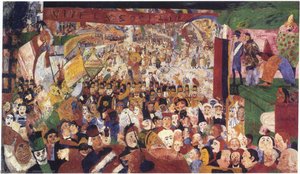
Εκτύπωση giclée ή σε καμβά ποιότητας μουσείου με γρήγορη παραγωγή και ευέλικτες επιλογές φινιρίσματος. ( Αγορά χειροποίητου πίνακα Αγορά ψηφιακής εικόνας)





























Επιλέξτε από τις προκαθορισμένες διαστάσεις μας που διατηρούν τις αρχικές αναλογίες του έργου τέχνης.

Μπορείτε να εισαγάγετε δικές σας διαστάσεις ώστε να ταιριάξουν με ένα συγκεκριμένο πλαίσιο ή χώρο. Εάν το επιλεγμένο μέγεθος δεν συμπίπτει με τις αναλογίες της πρωτότυπης εικόνας, θα κόψουμε το έργο τέχνης ή θα επεκτείνουμε την εικόνα με καθρεφτισμένη ή μονόχρωμη ατέλεια. Θα σας αποσταλεί ένα ψηφιακό mockup για έγκρισή σας πριν από την έναρξη της παραγωγής.
Παρακαλούμε σημειώστε ότι η προεπισκόπηση στην οθόνη δεν αντικατοπτρίζει την πραγματική κοπή ή επέκταση. Μόνο το mockup θα δείξει με ακρίβεια την τελική σύνθεση.
Παρόλο που είναι διαθέσιμες προσαρμοσμένες διαστάσεις, προτείνουμε την επιλογή μιας διάστασης από τη προκαθορισμένη λίστα για τη διατήρηση των αρχικών αναλογιών.
Παγκόσμια Αποστολή () σε 2 εβδομάδες αντί για τις συνήθεις 4/5 εβδομάδες. (18 Αύγουστος)


La dame en bleu
Διαστάσεις Αναπαραγωγής
James Ensor’s “La Dame en Bleu,” or “The Blue Lady,” stands as a cornerstone of Expressionist art, capturing not merely an image but a profound psychological state. Painted around 1874 and currently housed in the National Museum Cardiff, this portrait transcends mere representation; it delves into themes of isolation, contemplation, and unsettling beauty—elements characteristic of Ensor’s distinctive artistic vision.
“La Dame en Bleu” firmly establishes Ensor within the burgeoning Expressionist movement, rejecting Impressionistic ideals of objective observation in favor of subjective emotional response. Unlike Renoir’s luminous depictions of Parisian life, Ensor eschews polished surfaces and vibrant colors for a darker palette—a deliberate choice designed to convey inner turmoil.
Ensor's technique is characterized by thick impasto brushstrokes that lend texture and physicality to the canvas. These bold strokes capture not only the visual appearance of the woman but also the artist’s palpable preoccupation with conveying psychological depth. The meticulous rendering of fabrics—particularly the dress—demonstrates Ensor’s dedication to capturing subtle nuances of form and color.
Painted in 1874, “La Dame en Bleu” emerged during a period of artistic ferment as Impressionism wrestled with its legacy. Artists like Renoir were pushing boundaries, experimenting with new approaches to capturing light and atmosphere—yet Ensor deliberately rejected these conventions, prioritizing emotional intensity over aesthetic beauty.
Ensor’s rejection of academic formalism resonated deeply with the avant-garde sensibilities of his time. He was a pioneer in exploring unsettling imagery and confronting uncomfortable truths about human psychology—a bold stance that cemented his position as one of the most influential figures in early 20th-century art.
"La Dame en Bleu" compels viewers to confront questions of identity, vulnerability, and the complexities of human experience. The woman’s gaze—direct yet distant—suggests a profound awareness of her surroundings while simultaneously maintaining an inner world untouched by external pressures. Ensor's masterful use of color and texture contributes to this unsettling effect, inviting contemplation on themes of isolation and psychological resilience.
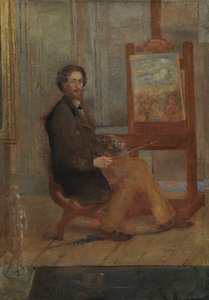
1860 - 1949 , Βέλγιο

Unleash raw emotion in your space. Explore the high-impact world of Expressionism through BuyPopArt.com’s premium hand-painted oil reproductions and custom photo transformations. Bold, confident, and curated for those who live for visual impact. Shop the revolution today!


Μείνετε ενημερωμένοι για τις τελευταίες ειδήσεις σχετικά με την τέχνη, αποκλειστικές προσφορές και ιδέες διακόσμησης.
Πείτε μας περισσότερα για το έργο σας και οι ειδικοί μας στην τέχνη θα σας προσφέρουν 3 εξατομικευμένες προτάσεις έργων τέχνης.
Αφήστε μας να επιμεληθούμε 3 επιλογές αποκλειστικά για εσάς – Δωρεάν!


 Δείτε σε πραγματικό χώρο
 Αποστολή
 Κοινοποίηση
 Λεπτομέρειες

 Λήψη
Λήψη
 Παρόμοια αντικείμενα συλλογής
 Ακτινογραφία
 Παρουσίαση
 Διαβάστε περισσότερα







 Η επιλογή με γυαλί είναι διαθέσιμη μόνο για μεγέθη κάτω από 110 εκ.