Εκτύπωση giclée ή σε καμβά ποιότητας μουσείου με γρήγορη παραγωγή και ευέλικτες επιλογές φινιρίσματος. ( Αγορά χειροποίητου πίνακα Αγορά ψηφιακής εικόνας)





























Επιλέξτε από τις προκαθορισμένες διαστάσεις μας που διατηρούν τις αρχικές αναλογίες του έργου τέχνης.

Μπορείτε να εισαγάγετε δικές σας διαστάσεις ώστε να ταιριάξουν με ένα συγκεκριμένο πλαίσιο ή χώρο. Εάν το επιλεγμένο μέγεθος δεν συμπίπτει με τις αναλογίες της πρωτότυπης εικόνας, θα κόψουμε το έργο τέχνης ή θα επεκτείνουμε την εικόνα με καθρεφτισμένη ή μονόχρωμη ατέλεια. Θα σας αποσταλεί ένα ψηφιακό mockup για έγκρισή σας πριν από την έναρξη της παραγωγής.
Παρακαλούμε σημειώστε ότι η προεπισκόπηση στην οθόνη δεν αντικατοπτρίζει την πραγματική κοπή ή επέκταση. Μόνο το mockup θα δείξει με ακρίβεια την τελική σύνθεση.
Παρόλο που είναι διαθέσιμες προσαρμοσμένες διαστάσεις, προτείνουμε την επιλογή μιας διάστασης από τη προκαθορισμένη λίστα για τη διατήρηση των αρχικών αναλογιών.
Παγκόσμια Αποστολή () σε 2 εβδομάδες αντί για τις συνήθεις 4/5 εβδομάδες. (17 Αύγουστος)


Pulled at Four Pins
Διαστάσεις Αναπαραγωγής
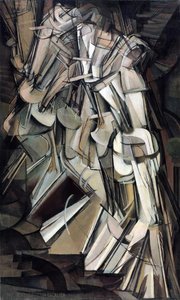
Marcel Duchamp's “Pulled at Four Pins,” created in 1964, isn’t merely a drawing; it’s a deliberate provocation—a cornerstone of Conceptual Art and a testament to the artist’s unwavering challenge of artistic conventions. This seemingly simple piece, executed on pale cream Magnani-wove paper with pencil or charcoal, embodies Duchamp's core philosophy: elevating commonplace objects to the realm of art through conceptual intervention.
The artwork’s composition centers around a cylindrical metal bucket—a readily available item transformed into an artistic statement. Lines dominate the visual language, varying in weight and thickness to convey spontaneity and expressive gesture rather than meticulous accuracy. Duchamp's technique reflects this approach; he eschewed traditional rendering methods, prioritizing conceptual thought over technical skill. The resulting texture is that of paper itself, subtly grained, hinting at the immediacy of the artist’s process.
“Pulled at Four Pins” exemplifies Duchamp's embrace of the readymade concept—a radical notion championed by Dada artists that questioned the very definition of art. As Tomkins eloquently describes, “This was what Duchamp liked about it - the words, making no sense and having no relation to the visual image, could lead the mind in unpredictable directions.” The title itself is deliberately ambiguous, referencing both the literal act of pulling pins and a broader exploration of complexity—a preoccupation evident throughout Duchamp’s oeuvre.
Duchamp’s work emerged from the turbulent milieu of Dadaism, an anti-establishment movement born in Zurich during World War I. Dada artists rejected logic and reason, embracing absurdity and chance as artistic tools—a reaction to the horrors of the conflict and a critique of bourgeois values. “Pulled at Four Pins” aligns perfectly with this spirit of rebellion, mirroring Duchamp’s broader ambition to dismantle accepted artistic hierarchies.
"Pulled at Four Pins" stands as an enduring symbol of Duchamp's groundbreaking contribution to art history. Its understated execution belies its profound philosophical implications—a reminder that true artistry resides not in skillful representation but in questioning fundamental assumptions about creativity and beauty. This artwork continues to inspire artists and collectors alike, prompting contemplation on the role of intention and the transformative power of conceptual thought.

1887 - 1968 , Γαλλία

Explore the revolutionary art of Marcel Duchamp! Discover how his Dadaist readymades challenged artistic conventions & redefined modern art. A deep dive into 'Fountain', conceptual shifts, and his lasting impact.

Explore the revolutionary Dada art movement! Discover its origins, key artists like Duchamp & Arp, and lasting impact on modern art. A deep dive into anti-art & challenging conventions.
Ανακαλύψτε τα 10 αριστουργήματα της χαρακτικής που καθόρισαν την τέχνη! Rembrandt, Goya & Dürer: ιστορίες τεχνικής και έμπνευσης. Βρείτε αναπαραγωγές υψηλής ποιότητας για τον χώρο σας στο BuyPopArt.com

Explore the rich history of aesthetic theory & formal analysis in art. Discover key movements, artists like Dali & Raphael, and learn to build a discerning collection with BuyPopArt.

Explore the revolutionary Dada art movement! Discover its origins in WWI, key artists like Duchamp & Höch, core principles, and lasting impact on modern and contemporary art. A comprehensive guide for enthusiasts.


Μείνετε ενημερωμένοι για τις τελευταίες ειδήσεις σχετικά με την τέχνη, αποκλειστικές προσφορές και ιδέες διακόσμησης.
Πείτε μας περισσότερα για το έργο σας και οι ειδικοί μας στην τέχνη θα σας προσφέρουν 3 εξατομικευμένες προτάσεις έργων τέχνης.
Αφήστε μας να επιμεληθούμε 3 επιλογές αποκλειστικά για εσάς – Δωρεάν!


 Δείτε σε πραγματικό χώρο
 Αποστολή
 Κοινοποίηση
 Λεπτομέρειες

 Λήψη
Λήψη
 Παρόμοια αντικείμενα συλλογής
 Ακτινογραφία
 Παρουσίαση
 Διαβάστε περισσότερα







 Η επιλογή με γυαλί είναι διαθέσιμη μόνο για μεγέθη κάτω από 110 εκ.