Acrylic On CanvasWallArtEarly Netherlandish Painting
 1485
1485 191.0 x 84.0 cm
 Staatsgalerie
Χειροποίητη oil painting σε καμβά στο δικό σας μέγεθος και πλαίσιο, κατά παραγγελία από τους καλλιτέχνες μας. ( Αγορά εκτύπωσης Αγορά ψηφιακής εικόνας)





























Επιλέξτε από τις προκαθορισμένες διαστάσεις μας που διατηρούν τις αρχικές αναλογίες του έργου τέχνης.

Μπορείτε να ορίσετε δικές σας διαστάσεις ώστε το έργο να ταιριάζει σε ένα συγκεκριμένο πλαίσιο ή χώρο. Εάν το επιλεγμένο μέγεθος δεν συμπίπτει με τις αναλογίες της αρχικής εικόνας, θα περικοψούμε το έργο ή θα επεκτείνουμε τη ζωγραφιά με πρόσθετα χειρόγραφα στοιχεία. Ένα ψηφιακό προσχέδιο θα σας αποσταλεί για έγκριση πριν την έναρξη της παραγωγής.
Παρακαλούμε σημειώστε ότι η προεπισκόπηση στην οθόνη δεν αντικατοπτρίζει την πραγματική περικοπή ή επέκταση. Μόνο το προσχέδιο θα δείξει με ακρίβεια την τελική σύνθεση.
Παρόλο που είναι διαθέσιμα προσαρμοσμένα μεγέθη, συνιστούμε να επιλέξετε μια διάσταση από τη λίστα των προκαθορισμένων μεγεθών για τη διατήρηση των αρχικών αναλογιών.
Παγκόσμια Αποστολή () σε 3-4 εβδομάδες αντί για τις συνήθεις 5 εβδομάδες. (15 Αύγουστος). Χωρίς συμβιβασμούς στην ποιότητα.


Bathsheba
Διαστάσεις Αναπαραγωγής
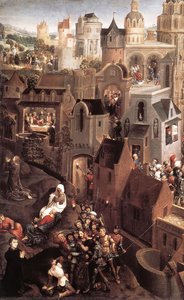
Hans Memling’s “Bathsheba,” completed around 1485 in Bruges, Belgium, stands as a cornerstone of Early Netherlandish painting—a movement renowned for its meticulous realism, profound psychological insight, and unwavering devotion to religious iconography. More than just a depiction of a biblical scene, the artwork embodies the humanist spirit burgeoning during the Renaissance, skillfully blending observation of human anatomy with symbolic representation to convey a complex tapestry of emotion.
Subject Matter & Narrative Context: The painting portrays Bathsheba, wife of King David, bathing in a luxurious bedchamber. This intimate tableau captures a moment of vulnerability and grace—Bathsheba kneels before her husband, accepting a robe from a maidservant. The narrative draws upon the biblical tale recounted in Psalm 27:13-14, where David confesses his sins to Bathsheba and seeks forgiveness for his transgression against Uriah the Hittite.
Style & Technique: Memling’s masterful execution exemplifies the stylistic hallmarks of Bruges painting. Employing oil paint on panel—a technique pioneered by Jan van Eyck—Memling achieved unparalleled luminosity and textural detail. The artist meticulously rendered skin tones, drapery folds, and subtle nuances of light and shadow, creating an illusionistic depth that transcends mere representation. His meticulous attention to anatomical accuracy reflects the influence of humanist scholarship prevalent at the time.
Symbolism & Emotional Impact: Beyond its narrative content, “Bathsheba” is laden with symbolic significance. The bedchamber itself represents domestic tranquility and marital harmony—a deliberate contrast to David’s moral failings. The maidservant symbolizes purity and humility, offering Bathsheba comfort and support as she seeks divine grace. Memling's use of chiaroscuro – the dramatic interplay between light and dark – amplifies the emotional resonance of the scene, conveying a palpable sense of tenderness and spiritual contemplation.
Influence & Legacy: “Bathsheba”’s impact on subsequent artists is undeniable. Its meticulous realism and expressive handling of emotion served as inspiration for generations of painters striving to capture the human condition with unwavering fidelity. The artwork continues to captivate viewers today, prompting reflection on themes of repentance, forgiveness, and the enduring power of faith—a testament to Memling's genius and the enduring beauty of Early Netherlandish art.
Additional Resources: For a deeper understanding of Bathsheba’s artistic context and Memling’s oeuvre, we encourage you to explore:

Γερμανία

Explore the breathtaking precision of Early Netherlandish painting. From Jan van Eyck’s luminous oil glazes to hidden Renaissance symbolism, discover how Northern masters mastered detail and light in this expert guide for art enthusiasts.


Μείνετε ενημερωμένοι για τις τελευταίες ειδήσεις σχετικά με την τέχνη, αποκλειστικές προσφορές και ιδέες διακόσμησης.
Πείτε μας περισσότερα για το έργο σας και οι ειδικοί μας στην τέχνη θα σας προσφέρουν 3 εξατομικευμένες προτάσεις έργων τέχνης.
Αφήστε μας να επιμεληθούμε 3 επιλογές αποκλειστικά για εσάς – Δωρεάν!


 Δείτε σε πραγματικό χώρο
 Αποστολή
 Κοινοποίηση
 Λεπτομέρειες

 Λήψη
Λήψη
 Παρόμοια αντικείμενα συλλογής
 Ακτινογραφία
 Παρουσίαση
 Διαβάστε περισσότερα







 Η επιλογή με γυαλί είναι διαθέσιμη μόνο για μεγέθη κάτω από 110 εκ.