

 OilWallArtBaroque Classicism
 1639
1639 95.0 x 121.0 cm
Αγοράστε μια ψηφιακή εικόνα υψηλής ανάλυσης και βελτιωμένης ποιότητας, πολύ ανώτερης από την προεπισκόπηση στο διαδίκτυο.
Κάθε αρχείο προετοιμάζεται σχολαστικά από τους εξειδικευμένους συνεργάτες μας, με τη χρήση προηγμένων εργαλείων και χειροκίνητου ρετουσαρίσματος υψηλής ακρίβειας. Εξασφαλίζουμε ότι κάθε εικόνα προσφέρει εξαιρετική ευκρίνεια, απόλυτη πιστότητα στο χρώμα και λεπτομερή ανάδραση των λεπτομερειών.
Το τελικό αρχείο παραδίδεται μέσω email εντός 72 ωρών, βελτιστοποιημένο για άμεση χρήση σε επαγγελματικά, εκδοτικά και έντυπα περιβάλλοντα. Πρόκειται για την ίδια ποιότητα που εμπιστεύονται κορυφαία studios σχεδιασμού, εκδότες και γκαλερί.
Κατεβάστε ένα αρχείο υψηλής ανάλυσης για προσωπική χρήση, εκτύπωση και δημιουργικά έργα. ( Αγορά εκτύπωσης Αγορά χειροποίητου πίνακα)
Όταν επιλέγετε το BuyPopArt.com, δεν αποκτάτε απλώς μια εικόνα – λαμβάνετε ένα επαγγελματικά αναβαθμισμένο ψηφιακό έργο τέχνης, δημιουργημένο με ακρίβεια και με εγγύηση ικανοποίησης. Δείτε όλα όσα περιλαμβάνονται στην παραγγελία σας, αυτόματα:

Το ψηφιακό σας αρχείο εικόνας υψηλής ανάλυσης θα σας σταλεί μέσω email εντός 72 ωρών από την παραγγελία σας — έτοιμο για άμεση χρήση.

Το έργο σας βελτιστοποιείται επαγγελματικά με τη χρήση προηγμένων εργαλείων Τεχνητής Νοημοσύνης και χειροκίνητης επεξεργασίας, εξασφαλίζοντας μέγιστη λεπτομέρεια, ευκρίνεια και ακρίβεια χρωμάτων.

Απώλησες ή διαγράψατε κατά λάθος το αρχείο σας; Μην ανησυχείτε — θα σας το ξαναστείλομε οποιαδήποτε στιγμή, δωρεάν.

Απολαύστε αμέσως τα έργα τέχνης σας χωρίς δασμούς, φόρους ή έξοδα αποστολής - οι ψηφιακές λήψεις είναι πάντα αφορεশিপτεία.

Εξασφαλίζουμε ότι η ψηφιακή σας εικόνα αποτυπώνει τα αυθεντικά χρώματα όσο το δυνατόν πιστότερα, χρησιμοποιώντας επαγγελματικά εργαλεία και διαχείριση χρωμάτων.

Εάν δεν είστε ικανοποιημένοι με την ψηφιακή σας εικόνα, θα την αναθεωρήσουμε ή θα σας επιστρέψουμε το 100% της αξίας της εντός 60 ημερών - χωρίς κανένα ερώτημα.

Δεν είστε ικανοποιημένοι; Λάβετε πλήρη επιστροφή των χρημάτων σας εντός 60 ημερολογιακών ημερών από τη λήψη του ψηφιακού σας αρχείου — χωρίς κανένα ερώτημα.

Αγοράστε 3 εικόνες, κάντε εξοικονόμηση 10% - Αγοράστε 5, κάντε εξοικονόμηση 15% - Αγοράστε 10+, κάντε εξοικονόμηση 20%. Ιδανικό για δημιουργικά έργα, γκαλερί και agencies.
Nicolas Poussin’s “Extreme Unction,” painted in 1639, is not merely a depiction of a religious ritual; it's a profoundly moving meditation on mortality, faith, and the acceptance of life’s inevitable end. Commissioned by Cassiano del Pozzo, an avid collector of antiquities and works of art, this painting forms part of Poussin’s ambitious “Seven Sacraments” series – a project that sought to visually illustrate the core tenets of Roman Catholicism. The work, now residing in the National Gallery in London alongside its companions, offers a rare glimpse into 17th-century European religious practice and the deeply personal experience of death and dying.
Poussin’s masterful command of Classicism is immediately evident. He eschews the dramatic theatricality often associated with Baroque painting for a carefully constructed scene imbued with order, harmony, and an almost unsettling serenity. The composition is meticulously balanced; the figures are arranged in a pyramidal structure that draws the eye towards the central figure receiving the last rites. The use of muted earth tones – ochres, browns, and greys – creates a somber atmosphere, punctuated by subtle highlights that emphasize the textures of the fabrics and the pallor of the dying man’s skin. Poussin's signature technique—a deliberate layering of thin glazes of oil paint—allows for remarkable luminosity and depth, capturing both the physical presence of the individuals and the ethereal quality of the spiritual realm.
“Extreme Unction” vividly portrays the sacrament itself. The scene unfolds within a modest chamber, dominated by two simple benches that suggest a sense of quiet contemplation. A bowl, positioned near the dying man, is a crucial element – it represents the oil used in the ritual, symbolizing healing and purification. The presence of multiple attendants—mourners, priests, and assistants—underscores the communal nature of this sacred act. Notably, Poussin doesn’t depict overt grief or despair; instead, there's an air of acceptance, a quiet dignity that speaks to the spiritual preparation for death. The inclusion of the two benches in the background adds depth to the composition, creating a sense of space and suggesting the continuity between life and eternity.
The identity of the dying man remains deliberately ambiguous, adding to the painting’s universality. He is not a specific historical figure but rather an archetype – a representation of humanity facing its mortality. The priest administering the sacrament is similarly anonymous, further emphasizing the sacred nature of the event itself. Poussin's careful attention to detail—the folds of the robes, the expressions on the faces of the mourners—reveals his deep understanding of human anatomy and psychology. He doesn’t simply record a scene; he conveys an emotional truth about the human condition.
“Extreme Unction” is more than just a religious painting; it's a testament to Poussin’s artistic genius and his ability to infuse classical principles with profound emotional resonance. The work reflects the influence of Renaissance masters, particularly Raphael, whose emphasis on clarity, proportion, and idealized beauty informed Poussin’s own style. However, Poussin transcends mere imitation; he transforms these influences into something uniquely his own—a synthesis of intellectual rigor and spiritual sensitivity.
The painting's enduring appeal lies in its ability to evoke a sense of both melancholy and hope. It acknowledges the inevitability of death but also celebrates the possibility of redemption and eternal life. As part of The Seven Sacraments, “Extreme Unction” serves as a poignant reminder of the importance of faith, compassion, and the acceptance of our shared mortality. Today, its preservation stands as a vital link to the artistic and spiritual landscape of 17th-century Europe, offering viewers an opportunity to contemplate profound questions about life, death, and the mysteries of the human soul.
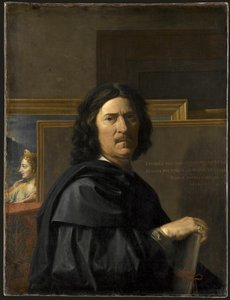
1594 - 1665 , Γαλλία


Μείνετε ενημερωμένοι για τις τελευταίες ειδήσεις σχετικά με την τέχνη, αποκλειστικές προσφορές και ιδέες διακόσμησης.
Πείτε μας περισσότερα για το έργο σας και οι ειδικοί μας στην τέχνη θα σας προσφέρουν 3 εξατομικευμένες προτάσεις έργων τέχνης.
Αφήστε μας να επιμεληθούμε 3 επιλογές αποκλειστικά για εσάς – Δωρεάν!


 Δείτε σε πραγματικό χώρο
 Αποστολή
 Κοινοποίηση
 Λεπτομέρειες

 Λήψη
Λήψη
 Παρόμοια αντικείμενα συλλογής
 Ακτινογραφία
 Παρουσίαση
 Διαβάστε περισσότερα