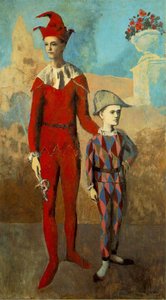
Χειροποίητη α óleo σε καμβά στο δικό σας μέγεθος και πλαίσιο, κατά παραγγελία από τους καλλιτέχνες μας. ( Μετάβαση στην Εκτύπωση Μετάβαση σε Εικόνα)





























Επιλέξτε από τις προκαθορισμένες διαστάσεις μας που διατηρούν τις αρχικές αναλογίες του έργου τέχνης.

Μπορείτε να εισάγετε δικές σας διαστάσεις για να ταιριάξετε το έργο με ένα συγκεκριμένο πλαίσιο ή χώρο. Εάν το επιλεγμένο μέγεθος δεν συμπίπτει με τις αναλογίες της αρχικής εικόνας, θα περικοψούμε το έργο τέχνης ή θα επεκτείνουμε τη ζωγραφιά με πρόσθετα χειρόγραφα στοιχεία. Ένα ψηφιακό προσχέδιο θα σας σταλεί για έγκριση πριν την έναρξη της παραγωγής.
Παρακαλούμε σημειώστε ότι η προεπισκόπηση στην οθόνη δεν αντικατοπτρίζει την πραγματική περικοπή ή επέκταση. Μόνο το προσχέδιο θα δείξει με ακρίβεια την τελική σύνθεση.
Παρόλο που είναι διαθέσιμα προσαρμοσμένα μεγέθη, συνιστούμε να επιλέξετε μια διάσταση από τη λίστα των προκαθορισμένων μεγεθών για τη διατήρηση των αρχικών αναλογιών.
Παγκόσμια Αποστολή () σε 3/4 εβδομάδες αντί για τις συνήθεις 5 εβδομάδες. (2 Αύγουστος). Χωρίς συμβιβασμούς στην ποιότητα.


Claude writing
Διαστάσεις Αναπαραγωγής
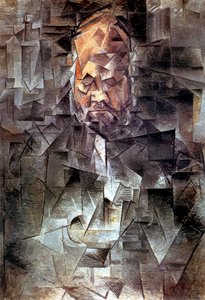
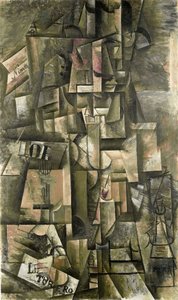
Pablo Picasso’s Claude Writing stands as a poignant emblem of Surrealist exploration and Cubist innovation—a deceptively simple portrait that unveils layers of psychological depth and artistic experimentation.
Created in 1913 during Picasso’s fervent embrace of Synthetic Cubism, this artwork transcends mere representation. It's less about capturing an objective likeness and more about conveying a state of mind; the young boy depicted is absorbed in contemplation, his hands pressed against his face—a gesture universally understood as one of vulnerability and introspection.
The stylistic choices are deliberate and groundbreaking. Picasso employs collage extensively, incorporating fragments of newspaper into the canvas to generate texture and depth. This technique wasn’t merely decorative; it mirrored the Surrealist preoccupation with juxtaposing disparate elements to provoke subconscious associations—a visual echo of Freud's psychoanalytic theories.
Furthermore, Picasso adheres rigorously to Cubist principles. The head dominates the composition, rendered in fractured planes that defy traditional perspective. This fragmentation isn’t random; it reflects Picasso’s desire to dismantle illusion and reveal underlying structure – mirroring the broader artistic movement’s rejection of academic conventions.
The muted palette—primarily greens and browns—contributes to the painting's melancholic atmosphere. These colors evoke feelings of solitude and contemplation, aligning with the psychological themes prevalent in Surrealist art. The artist’s masterful use of light and shadow enhances this sense of drama, guiding the viewer’s gaze toward the boy’s face and emphasizing his emotional expression.
Picasso's Claude Writing isn’t merely a visual depiction; it’s an invitation to delve into the complexities of human emotion and artistic innovation—a testament to Picasso's enduring legacy as one of the most influential artists of the 20th century.
To learn more about cubism and its impact on modern art, visit Pablo Picasso on BuyPopArt.
For a deeper understanding of cubism and its influence on artistic expression, explore Cubism on Wikipedia.
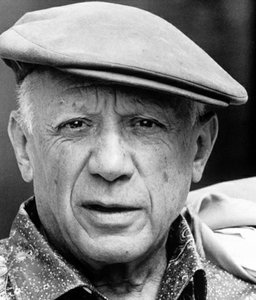
1881 - 1973 , Ισπανία

Explore the history of Academic painting – its techniques, ideology & lasting influence on art. Discover key artists, movements & the Salon system. A comprehensive guide for art enthusiasts.

Ανακαλύψτε τα 10 εμβληματικά έργα που καθόρισαν τον Κυβισμό! Πικάσο, Μπρακ & Γκρις: ιστορίες, τεχνικές και η επανάσταση στην τέχνη. Βρείτε αναπαραγωγές υψηλής ποιότητας για διακόσμηση στο BuyPopArt.com.

Ανακαλύψτε τα 10 κορυφαία κυβιστικά πορτρέτα που επαναπροσδιόρισαν την τέχνη! Πικάσο, Μπρακ & Γκρις: ιστορίες, τεχνικές και έμπνευση για τον χώρο σας. Υψηλής ποιότητας αναπαραγωγές στην BuyPopArt.com.

Ανακαλύψτε τα 25 κορυφαία έργα τέχνης του Georges Braque, ιδιοφυΐας του κυβισμού. Εξερευνήστε την ιστορία, τις τεχνικές & τη διαχρονική αξία των πιο εμβληματικών πινάκων του. Βρείτε αναπαραγωγές υψηλής ποιότητας για να εμπλουτίσετε τον χώρο σας στο BuyPopArt.com.

Transform cherished photos into timeless oil paintings with skilled artists. Trusted for bespoke portraits & heirloom art. Discover the process, styles & lasting value – a legacy preserved.


Μείνετε ενημερωμένοι για τις τελευταίες ειδήσεις σχετικά με την τέχνη, αποκλειστικές προσφορές και ιδέες διακόσμησης.
Πείτε μας περισσότερα για το έργο σας και οι ειδικοί μας στην τέχνη θα σας προσφέρουν 3 εξατομικευμένες προτάσεις έργων τέχνης.
Αφήστε μας να επιμεληθούμε 3 επιλογές αποκλειστικά για εσάς – Δωρεάν!


 Προεπισκόπηση
 Αποστολή
 Κοινοποίηση
 Λεπτομέρειες

 Λήψη
Λήψη
 Παρόμοια έργα
 Ακτινογραφία
 Παρουσίαση

 Περισσότερα λεπτομέρεια







 Η επιλογή με γυαλί είναι διαθέσιμη μόνο για μεγέθη κάτω από 110 εκ.