Ακρυλικά σε καμβάΕκθέσιμα Έργα ΤέχνηςSurrealism
 1923Μοντέρνα εποχή
 205.0 x 174.0 cm
Εκτύπωση giclée ή σε καμβά ποιότητας μουσείου με γρήγορη παραγωγή και ευέλικτες επιλογές φινιρίσματος. ( Αγορά χειροποίητου πίνακα Αγορά ψηφιακής εικόνας)





























Επιλέξτε από τις προκαθορισμένες διαστάσεις μας που διατηρούν τις αρχικές αναλογίες του έργου τέχνης.

Μπορείτε να εισαγάγετε δικές σας διαστάσεις ώστε να ταιριάξουν με ένα συγκεκριμένο πλαίσιο ή χώρο. Εάν το επιλεγμένο μέγεθος δεν συμπίπτει με τις αναλογίες της πρωτότυπης εικόνας, θα κόψουμε το έργο τέχνης ή θα επεκτείνουμε την εικόνα με καθρεφτισμένη ή μονόχρωμη ατέλεια. Θα σας αποσταλεί ένα ψηφιακό mockup για έγκρισή σας πριν από την έναρξη της παραγωγής.
Παρακαλούμε σημειώστε ότι η προεπισκόπηση στην οθόνη δεν αντικατοπτρίζει την πραγματική κοπή ή επέκταση. Μόνο το mockup θα δείξει με ακρίβεια την τελική σύνθεση.
Παρόλο που είναι διαθέσιμες προσαρμοσμένες διαστάσεις, προτείνουμε την επιλογή μιας διάστασης από τη προκαθορισμένη λίστα για τη διατήρηση των αρχικών αναλογιών.
Παγκόσμια Αποστολή () σε 2 εβδομάδες αντί για τις συνήθεις 4/5 εβδομάδες. (18 Αύγουστος)


Pan's flute
Διαστάσεις Αναπαραγωγής
Pablo Ruiz y Picasso, a name synonymous with artistic revolution, was born in Málaga, Spain, on October 25, 1881. His very existence seemed destined for creative expression; legend has it his first uttered words were “piz, piz,” an attempt to say ‘pencil’. This early inclination was nurtured by his father, José Ruiz y Blasco, a painter and art teacher who provided young Pablo with foundational training. However, the student quickly surpassed the instructor, demonstrating a remarkable aptitude for naturalistic depiction that hinted at the prodigious talent within.
The family’s subsequent moves – first to A Coruña, then Barcelona – were punctuated by personal tragedy, notably the loss of Picasso's sister, experiences which would subtly infuse his later work with themes of melancholy and mortality. Even during formal studies at the School of Fine Arts in Barcelona and a brief stint at the Royal Academy of San Fernando in Madrid, Picasso chafed against rigid academic conventions, yearning for freedom of expression that aligned with his burgeoning artistic vision.
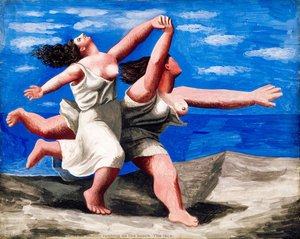
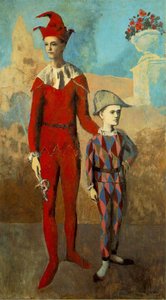
“Pan’s Flute,” painted in 1923 during Picasso's classical period, is a monumental oil on canvas measuring 205 x 174 cm. Currently housed at Öffentliche Kunstsammlung Basel, Switzerland, this artwork exemplifies Surrealism—a movement dedicated to unlocking the subconscious mind and challenging rational thought.
The painting depicts two men standing side by side against a stark blue wall. One man intently observes the other who appears to be playing a musical instrument – likely a flute or drum – capturing a moment of contemplative engagement. The backdrop incorporates benches and a chair, suggesting an outdoor setting imbued with tranquility. Picasso’s masterful use of color—particularly the dominant azure hue—creates a dramatic contrast that draws attention to the figures' interaction.
The scene resonates with mythological references, harking back to Pan, the Greek god associated with pastoral life and music. The positioning of the men embodies a dynamic tension between observation and participation, inviting viewers to contemplate themes of contemplation, desire, and artistic inspiration. Picasso’s meticulous attention to detail—the textures of clothing, the subtle shading—further enhances the painting's expressive power.
As a movement born from Dada nihilism and fueled by Freudian psychoanalysis, Surrealism sought to liberate art from logical constraints. Picasso’s “Pan’s Flute” embodies this spirit by presenting a dreamlike tableau that transcends literal representation.
The painting's symbolism is rich with layers of meaning. The blue wall symbolizes stability and contemplation, while the flute represents artistic creativity and connection to primal instincts. The figures themselves embody duality—one man absorbed in music, the other watchful—reflecting the complexities of human experience.
"Pan's Flute" stands as a cornerstone achievement of Picasso’s Surrealist period, demonstrating his unwavering commitment to artistic experimentation. It is more than just a depiction of two men; it’s an invitation to delve into the depths of human psychology and explore the transformative potential of imagination.

1881 - 1973 , Ισπανία

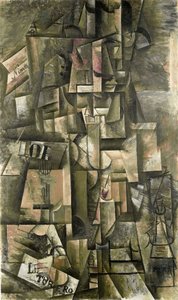
Explore the profound depth of Cubist still life art. Our expert guide delves into the revolutionary techniques of Picasso and Braque, offering art enthusiasts a deep understanding of fragmented reality, geometric form, and the enduring power of Cubism in fine art.


Μείνετε ενημερωμένοι για τις τελευταίες ειδήσεις σχετικά με την τέχνη, αποκλειστικές προσφορές και ιδέες διακόσμησης.
Πείτε μας περισσότερα για το έργο σας και οι ειδικοί μας στην τέχνη θα σας προσφέρουν 3 εξατομικευμένες προτάσεις έργων τέχνης.
Αφήστε μας να επιμεληθούμε 3 επιλογές αποκλειστικά για εσάς – Δωρεάν!


 Δείτε σε πραγματικό χώρο
 Αποστολή
 Κοινοποίηση
 Λεπτομέρειες

 Λήψη
Λήψη
 Παρόμοια αντικείμενα συλλογής
 Ακτινογραφία
 Παρουσίαση
 Διαβάστε περισσότερα







 Η επιλογή με γυαλί είναι διαθέσιμη μόνο για μεγέθη κάτω από 110 εκ.