Εκτύπωση giclée ή σε καμβά ποιότητας μουσείου με γρήγορη παραγωγή και ευέλικτες επιλογές φινιρίσματος. ( Αγορά χειροποίητου πίνακα Αγορά ψηφιακής εικόνας)





























Επιλέξτε από τις προκαθορισμένες διαστάσεις μας που διατηρούν τις αρχικές αναλογίες του έργου τέχνης.

Μπορείτε να εισαγάγετε δικές σας διαστάσεις ώστε να ταιριάξουν με ένα συγκεκριμένο πλαίσιο ή χώρο. Εάν το επιλεγμένο μέγεθος δεν συμπίπτει με τις αναλογίες της πρωτότυπης εικόνας, θα κόψουμε το έργο τέχνης ή θα επεκτείνουμε την εικόνα με καθρεφτισμένη ή μονόχρωμη ατέλεια. Θα σας αποσταλεί ένα ψηφιακό mockup για έγκρισή σας πριν από την έναρξη της παραγωγής.
Παρακαλούμε σημειώστε ότι η προεπισκόπηση στην οθόνη δεν αντικατοπτρίζει την πραγματική κοπή ή επέκταση. Μόνο το mockup θα δείξει με ακρίβεια την τελική σύνθεση.
Παρόλο που είναι διαθέσιμες προσαρμοσμένες διαστάσεις, προτείνουμε την επιλογή μιας διάστασης από τη προκαθορισμένη λίστα για τη διατήρηση των αρχικών αναλογιών.
Παγκόσμια Αποστολή () σε 2 εβδομάδες αντί για τις συνήθεις 4/5 εβδομάδες. (17 Αύγουστος)


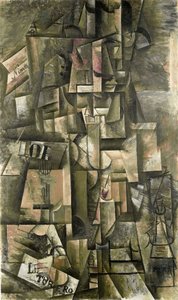
The absinth drinker
Διαστάσεις Αναπαραγωγής
Pablo Picasso’s “The Absinthe Drinker,” completed in 1901, stands as a pivotal work within the artist's burgeoning Cubist exploration and a haunting reflection of the anxieties simmering beneath the surface of Belle Époque Paris. More than just a depiction of a woman enjoying a drink—though the meticulous observation of her posture and gaze is undeniably striking—the painting embodies a profound psychological complexity that continues to fascinate art historians.
Historical Context: “The Absinthe Drinker” emerged during a period marked by social unrest and intellectual ferment in Paris. Absinthe, a potent anise-flavored liqueur popular among artists and intellectuals of the time, symbolized decadence, disillusionment, and escape from societal pressures. Picasso’s choice to depict this drink—and its drinker—reflects the pervasive mood of uncertainty and introspection that characterized the era.
Symbolism: The absinthe glass itself serves as a potent symbol of contemplation and detachment. Its positioning beneath the woman's gaze suggests she is wrestling with internal thoughts, attempting to find solace in solitude amidst the bustling city life outside. Furthermore, Picasso’s stylistic choices—the fragmentation of form and the muted color palette—mirror the psychological state of his subject, conveying a sense of emotional vulnerability.
Emotional Impact: “The Absinthe Drinker” transcends mere visual representation; it evokes a palpable feeling of melancholy and quiet contemplation. Picasso’s ability to capture the subtleties of human emotion—the unspoken sadness lurking beneath the surface—solidifies his place as one of the most influential artists of the 20th century. It remains a compelling testament to the power of art to explore the complexities of the human psyche.

1881 - 1973 , Ισπανία

Master the complexities of Cubism with our expert guide. Explore the revolutionary techniques of Picasso, from Analytical to Synthetic Cubism, and learn how to curate these powerful, fragmented perspectives for your private collection.


Μείνετε ενημερωμένοι για τις τελευταίες ειδήσεις σχετικά με την τέχνη, αποκλειστικές προσφορές και ιδέες διακόσμησης.
Πείτε μας περισσότερα για το έργο σας και οι ειδικοί μας στην τέχνη θα σας προσφέρουν 3 εξατομικευμένες προτάσεις έργων τέχνης.
Αφήστε μας να επιμεληθούμε 3 επιλογές αποκλειστικά για εσάς – Δωρεάν!


 Δείτε σε πραγματικό χώρο
 Αποστολή
 Κοινοποίηση
 Λεπτομέρειες

 Λήψη
Λήψη
 Παρόμοια αντικείμενα συλλογής
 Ακτινογραφία
 Παρουσίαση
 Διαβάστε περισσότερα







 Η επιλογή με γυαλί είναι διαθέσιμη μόνο για μεγέθη κάτω από 110 εκ.