Άνθρακα σε πάνελSurrealism
 1946Μοντέρνα
 450.0 x 300.0 cm
Εκτύπωση giclée ή σε καμβά ποιότητας μουσείου με γρήγορη παραγωγή και ευέλικτες επιλογές φινιρίσματος. ( Αγορά χειροποίητου πίνακα Αγορά ψηφιακής εικόνας)





























Επιλέξτε από τις προκαθορισμένες διαστάσεις μας που διατηρούν τις αρχικές αναλογίες του έργου τέχνης.

Μπορείτε να εισαγάγετε δικές σας διαστάσεις ώστε να ταιριάξουν με ένα συγκεκριμένο πλαίσιο ή χώρο. Εάν το επιλεγμένο μέγεθος δεν συμπίπτει με τις αναλογίες της πρωτότυπης εικόνας, θα κόψουμε το έργο τέχνης ή θα επεκτείνουμε την εικόνα με καθρεφτισμένη ή μονόχρωμη ατέλεια. Θα σας αποσταλεί ένα ψηφιακό mockup για έγκρισή σας πριν από την έναρξη της παραγωγής.
Παρακαλούμε σημειώστε ότι η προεπισκόπηση στην οθόνη δεν αντικατοπτρίζει την πραγματική κοπή ή επέκταση. Μόνο το mockup θα δείξει με ακρίβεια την τελική σύνθεση.
Παρόλο που είναι διαθέσιμες προσαρμοσμένες διαστάσεις, προτείνουμε την επιλογή μιας διάστασης από τη προκαθορισμένη λίστα για τη διατήρηση των αρχικών αναλογιών.
Παγκόσμια Αποστολή () σε 2 εβδομάδες αντί για τις συνήθεις 4/5 εβδομάδες. (17 Αύγουστος)


Ulysses and sirens
Διαστάσεις Αναπαραγωγής
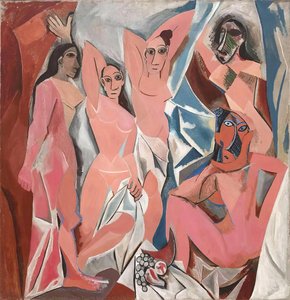
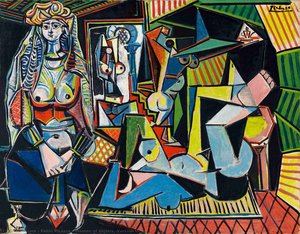
Pablo Picasso’s "Les Demoiselles d'Avignon," completed in 1907, stands as a pivotal work in the history of art, marking a radical departure from traditional representation and laying the groundwork for Cubism. This monumental painting depicts five nude female figures arranged against a shallow background, challenging conventional notions of perspective, anatomy, and beauty.
“Les Demoiselles d'Avignon” is considered a proto-Cubist masterpiece. Picasso abandoned the Renaissance ideal of realistic depiction, instead fracturing forms and presenting multiple viewpoints simultaneously. The figures are not rendered with smooth curves or idealized proportions; rather, they are composed of sharp angles, geometric shapes, and flattened planes. The faces of two figures on the right side of the canvas bear striking resemblances to African masks, reflecting Picasso’s fascination with non-Western art forms he encountered at the Musée d'Ethnographie du Trocadéro in Paris. This incorporation of African artistic principles—particularly their emphasis on stylized representation and symbolic meaning—was groundbreaking for its time and significantly influenced the development of modern art.
The painting emerged during a period of intense experimentation and innovation in European art. Picasso was reacting against the prevailing academic traditions and seeking new ways to represent reality. Henri Matisse's Fauvist paintings, with their bold use of color, also influenced Picasso’s exploration of expressive form. "Les Demoiselles d'Avignon" was initially met with confusion and criticism by Picasso’s contemporaries, including Georges Braque and Fernande Olivier, who found it unsettling and incomprehensible. However, its impact on subsequent generations of artists is undeniable. It signaled a decisive break from the past and paved the way for Cubism and other avant-garde movements.
The title "Les Demoiselles d'Avignon" refers to the prostitutes who worked in a street of that name in Barcelona, suggesting a commentary on societal attitudes towards women. However, the painting’s significance extends beyond its subject matter. The figures confront the viewer with an unsettling directness, their gazes challenging traditional notions of the male gaze and female objectification. The fragmented forms and distorted perspectives create a sense of unease and disorientation, reflecting the anxieties and uncertainties of the modern era. While initially shocking, "Les Demoiselles d'Avignon" ultimately invites viewers to reconsider their perceptions of beauty, representation, and the human form.

1881 - 1973 , Ισπανία

Master the complexities of Cubism with our expert guide. Explore the revolutionary techniques of Picasso, from Analytical to Synthetic Cubism, and learn how to curate these powerful, fragmented perspectives for your private collection.


Μείνετε ενημερωμένοι για τις τελευταίες ειδήσεις σχετικά με την τέχνη, αποκλειστικές προσφορές και ιδέες διακόσμησης.
Πείτε μας περισσότερα για το έργο σας και οι ειδικοί μας στην τέχνη θα σας προσφέρουν 3 εξατομικευμένες προτάσεις έργων τέχνης.
Αφήστε μας να επιμεληθούμε 3 επιλογές αποκλειστικά για εσάς – Δωρεάν!


 Δείτε σε πραγματικό χώρο
 Αποστολή
 Κοινοποίηση
 Λεπτομέρειες

 Λήψη
Λήψη
 Παρόμοια αντικείμενα συλλογής
 Ακτινογραφία
 Παρουσίαση
 Διαβάστε περισσότερα







 Η επιλογή με γυαλί είναι διαθέσιμη μόνο για μεγέθη κάτω από 110 εκ.