Άνθρακα και λάδι σε καμβάΕκθέσιμα Έργα ΤέχνηςPost-Impressionist Style
 187719ος Αιώνας
 65.0 x 81.0 cm
 Μουσείο Τέχνης Βουδαπέστης
Χειροποίητη α óleo σε καμβά στο δικό σας μέγεθος και πλαίσιο, κατά παραγγελία από τους καλλιτέχνες μας. ( Μετάβαση στην Εκτύπωση Μετάβαση σε Εικόνα)
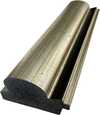
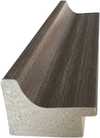
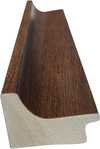
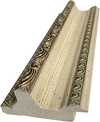
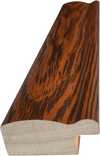
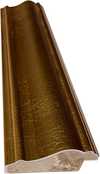
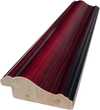
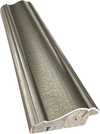
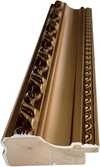
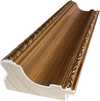
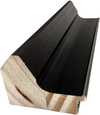
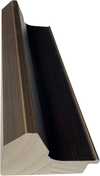
Επιλέξτε από τις προκαθορισμένες διαστάσεις μας που διατηρούν τις αρχικές αναλογίες του έργου τέχνης.

Μπορείτε να εισάγετε δικές σας διαστάσεις για να ταιριάξετε το έργο με ένα συγκεκριμένο πλαίσιο ή χώρο. Εάν το επιλεγμένο μέγεθος δεν συμπίπτει με τις αναλογίες της αρχικής εικόνας, θα περικοψούμε το έργο τέχνης ή θα επεκτείνουμε τη ζωγραφιά με πρόσθετα χειρόγραφα στοιχεία. Ένα ψηφιακό προσχέδιο θα σας σταλεί για έγκριση πριν την έναρξη της παραγωγής.
Παρακαλούμε σημειώστε ότι η προεπισκόπηση στην οθόνη δεν αντικατοπτρίζει την πραγματική περικοπή ή επέκταση. Μόνο το προσχέδιο θα δείξει με ακρίβεια την τελική σύνθεση.
Παρόλο που είναι διαθέσιμα προσαρμοσμένα μεγέθη, συνιστούμε να επιλέξετε μια διάσταση από τη λίστα των προκαθορισμένων μεγεθών για τη διατήρηση των αρχικών αναλογιών.
Παγκόσμια Αποστολή () σε 3/4 εβδομάδες αντί για τις συνήθεις 5 εβδομάδες. (30 Ιούλιος). Χωρίς συμβιβασμούς στην ποιότητα.


The Buffet
Διαστάσεις Αναπαραγωγής
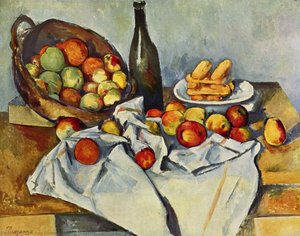
In the quietude of Paul Cézanne's "The Buffet," painted in 1877, we encounter far more than a mere arrangement of fruit and tableware. This masterpiece serves as a profound testament to a pivotal moment in art history, where the fleeting light of Impressionism began to coalesce into something much more structural and enduring. At first glance, the canvas presents a humble scene: a table laden with oranges, a bottle of wine, and delicate cups set against the domestic backdrop of dining chairs. Yet, beneath this deceptive simplicity lies a defiant assertion that the most commonplace objects can hold immense intellectual and aesthetic weight. For the discerning collector or interior designer, this work offers a sophisticated anchor, bringing a sense of timeless stability and intellectual depth to any curated space.
Cézanne’s journey during this period was one of intense metamorphosis. While he initially drew inspiration from the vibrant, ephemeral palettes of his contemporaries like Monet and Renog, he found himself yearning for a more permanent truth. In "The Buffet," we see the early tremors of his departure from pure Impressionism. Rather than merely capturing the optical sensation of light hitting a surface, Cézanne began to prioritize the sculptural quality of form. He utilized bolder brushstrokes and a deliberate flattening of perspective, techniques that would eventually pave the way for the radical fragmentation of Cubism. This approach transforms the still life into a study of volume and weight, inviting the viewer to appreciate the physical presence of each object.
Every element within this composition has been meticulously placed to achieve a state of visual equilibrium. The oranges, a recurring motif throughout Cézanne's celebrated oeuvre, act as vibrant beacons of color that symbolize fertility, abundance, and the artist's own burgeoning aspirations for success. They provide a rhythmic pulse to the painting, drawing the eye across the tabletop. Beside them, the wine bottle serves as a subtle nod to his camaraderie with the Impressionist circle, representing both a connection to his artistic roots and a symbol of the shared culture of French life. The careful arrangement of the cups and the central bowl creates a sense of architectural stability, a deliberate contrast to the more fluid and unstructured compositions of his peers.
For those seeking to integrate fine art into a modern interior, "The Buffet" offers an unparalleled emotional impact. It possesses a unique ability to command attention through its quiet strength rather than through loud or chaotic imagery. The painting evokes a sense of calm, groundedness, and contemplative luxury. Whether placed in a sunlit breakfast nook or as a focal point in a formal dining room, a high-quality reproduction of this work brings with it the prestige of the Post-Impressionist movement. It is an invitation to slow down, to observe the beauty in the mundane, and to appreciate the enduring power of structured, thoughtful composition.
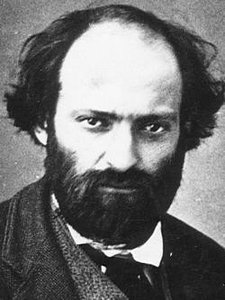
1839 - 1906 , Γαλλία
Ανακαλύψτε τα 25 κορυφαία έργα τέχνης του Paul Cézanne! Ιμπρεσιονισμός, μετα-ιμπρεσιονισμός & η τεχνοτροπία του. Βρείτε πίνακες για διακόσμηση και συλλογή υψηλής ποιότητας στο BuyPopArt.com.

Ανακαλύψτε τα 10 κορυφαία έργα ιμπρεσιονισμού! Μονέ, Ρενουάρ & άλλοι ζωγράφοι αποτυπωμένοι σε πίνακες που εμπνέουν. Βρείτε αναπαραγωγές υψηλής ποιότητας για να διακοσμήσετε τον χώρο σας. Εξερευνήστε την πλήρη συλλογή στο BuyPopArt.gr

Explore the profound emotional depth & innovative techniques of Post-Impressionism with BuyPopArt. Discover Cézanne, Van Gogh, Gauguin & more – and their lasting impact on modern art.

Ανακαλύψτε πώς η τέχνη μεταμορφώνει κελάρια & αίθουσες γευσιγνωσίας! Εμπνευστείτε από συμβουλές ειδικών για τοπίο, συμβολισμό & ατμόσφαιρα. Δημιουργήστε μια αξέχαστη οινολογική εμπειρία.

Explore the captivating world of Impressionism! Discover its history, key artists like Monet & Renoir, defining techniques, and lasting impact on modern art. Expert insights for collectors.


Μείνετε ενημερωμένοι για τις τελευταίες ειδήσεις σχετικά με την τέχνη, αποκλειστικές προσφορές και ιδέες διακόσμησης.
Πείτε μας περισσότερα για το έργο σας και οι ειδικοί μας στην τέχνη θα σας προσφέρουν 3 εξατομικευμένες προτάσεις έργων τέχνης.
Αφήστε μας να επιμεληθούμε 3 επιλογές αποκλειστικά για εσάς – Δωρεάν!


 Προεπισκόπηση
 Αποστολή
 Κοινοποίηση
 Λεπτομέρειες

 Λήψη
Λήψη
 Παρόμοια έργα
 Ακτινογραφία
 Παρουσίαση
 Περισσότερα λεπτομέρεια
 Η επιλογή με γυαλί είναι διαθέσιμη μόνο για μεγέθη κάτω από 110 εκ.