Εκτύπωση giclée ή σε καμβά ποιότητας μουσείου με γρήγορη παραγωγή και ευέλικτες επιλογές φινιρίσματος. ( Αγορά χειροποίητου πίνακα Αγορά εικόνας)





























Επιλέξτε από τις προκαθορισμένες διαστάσεις μας που διατηρούν τις αρχικές αναλογίες του έργου τέχνης.

Μπορείτε να εισαγάγετε δικές σας διαστάσεις ώστε να ταιριάξουν με ένα συγκεκριμένο πλαίσιο ή χώρο. Εάν το επιλεγμένο μέγεθος δεν συμπίπτει με τις αναλογίες της πρωτότυπης εικόνας, θα κόψουμε το έργο τέχνης ή θα επεκτείνουμε την εικόνα με καθρεφτισμένη ή μονόχρωμη ατέλεια. Θα σας αποσταλεί ένα ψηφιακό mockup για έγκρισή σας πριν από την έναρξη της παραγωγής.
Παρακαλούμε σημειώστε ότι η προεπισκόπηση στην οθόνη δεν αντικατοπτρίζει την πραγματική κοπή ή επέκταση. Μόνο το mockup θα δείξει με ακρίβεια την τελική σύνθεση.
Παρόλο που είναι διαθέσιμες προσαρμοσμένες διαστάσεις, προτείνουμε την επιλογή μιας διάστασης από τη προκαθορισμένη λίστα για τη διατήρηση των αρχικών αναλογιών.
Παγκόσμια Αποστολή () σε 2 εβδομάδες αντί για τις συνήθεις 4/5 εβδομάδες. (13 Αύγουστος)


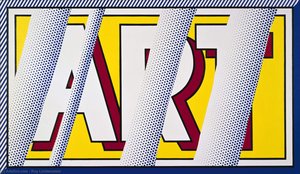
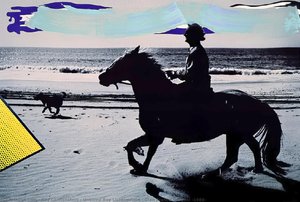
Reflections Wimpy II
Διαστάσεις Αναπαραγωγής
Roy Lichtenstein’s “Reflections Wimpy II,” painted in 1988, is more than just a depiction of falling figures; it’s a meticulously constructed exploration of perception and the anxieties inherent within modern life. This vibrant work, dominated by a bold yellow background punctuated with strategically placed blue dots, immediately anchors itself within the Pop Art movement – a period defined by its engagement with popular culture and a deliberate rejection of traditional artistic hierarchies. Lichtenstein, born in Manhattan in 1923, was a revolutionary figure who took comic book imagery—specifically the “wimpies” or distorted figures often found in these works—and elevated them to the level of serious art. The painting’s impact lies not just in its subject matter but in the masterful execution of his signature style: Ben-Day dots, meticulously applied to create an illusion of depth and texture, a technique borrowed directly from commercial printing.
The composition of “Reflections Wimpy II” is deliberately disorienting. The central figure, seemingly caught in the act of falling into water, draws immediate attention, yet it’s surrounded by a chaotic array of other figures and objects also engaged in this downward trajectory. This creates a sense of instability and vulnerability – a feeling that resonates deeply with the anxieties of the late 20th century. Lichtenstein's use of Ben-Day dots isn’t merely decorative; it’s integral to the painting’s effect. The dots, applied in layers, mimic the visual impact of printed images, blurring the lines between fine art and commercial illustration. This technique creates a shimmering quality, adding to the illusion of depth and movement within the scene. The blue dots themselves aren't just color; they function as miniature windows, reflecting and refracting light, further contributing to the painting’s dynamic visual field.
“Reflections Wimpy II” can be interpreted as a commentary on the fragility of the American dream. The falling figures represent individuals overwhelmed by circumstance, struggling against forces beyond their control. This interpretation aligns with Lichtenstein’s broader engagement with themes of consumerism and alienation – prevalent concerns within Pop Art. The scene evokes a sense of unease, mirroring the anxieties surrounding economic instability and social disruption that characterized the period. The water itself is a potent symbol—representing both cleansing and destruction, life and death. It's a visual metaphor for the overwhelming nature of modern existence, where individuals are constantly threatened by forces they cannot comprehend or control.
Despite its seemingly detached aesthetic, “Reflections Wimpy II” possesses a powerful emotional resonance. The distorted figures and the chaotic composition generate a feeling of unease and vulnerability in the viewer. The painting’s vibrant colors and meticulous technique draw the eye, creating an immersive experience that invites contemplation. It's a work that demands attention, prompting viewers to confront uncomfortable truths about human existence. This piece exemplifies Lichtenstein's ability to transform familiar imagery into profound statements about the human condition, solidifying his place as one of the most influential artists of the 20th century.


1923 - 1997 , Ηνωμένες Πολιτείες της Αμερικής

Level up your space with bold Pop Art and Abstract prints. Discover how high-impact, trend-driven visuals transform modern interiors into ultimate chill zones. Master the art of curation with expert design tips for a high-energy, contemporary aesthetic.

Level up your space with high-impact lithography and graphic art. From Warhol-inspired pop prints to bold street art aesthetics, discover how to curate a visually powerful collection that defines your personal brand and urban style.

Master your space with bold Pop Art. Discover trend-setting ways to use high-impact colors and iconic pieces like Lichtenstein to create visual harmony. Elevate your home with premium, hand-painted reproductions and custom art commissions designed for the modern collector.

Discover BuyPopArt.com's premium poster prints. Featuring 12-color pigment technology and museum-grade substrates, our versatile, high-fidelity prints offer vivid colors and archival quality for sophisticated modern decor. Elevate your space with professional art solutions.

Level up your space with our Spring Trend Forecast. Discover how bold Pop Art and vibrant Street Style aesthetics can refresh your urban home. From neon accents to graphic murals, explore the high-impact visuals defining this season's hottest interior design trends.


Μείνετε ενημερωμένοι για τις τελευταίες ειδήσεις σχετικά με την τέχνη, αποκλειστικές προσφορές και ιδέες διακόσμησης.
Πείτε μας περισσότερα για το έργο σας και οι ειδικοί μας στην τέχνη θα σας προσφέρουν 3 εξατομικευμένες προτάσεις έργων τέχνης.
Αφήστε μας να επιμεληθούμε 3 επιλογές αποκλειστικά για εσάς – Δωρεάν!


 Προεπισκόπηση
 Αποστολή
 Κοινοποίηση
 Λεπτομέρειες

 Λήψη
Λήψη
 Παρόμοια έργα
 Ακτινογραφία
 Παρουσίαση

 Περισσότερα λεπτομέρεια







 Η επιλογή με γυαλί είναι διαθέσιμη μόνο για μεγέθη κάτω από 110 εκ.