Oil On CanvasWallArtPost-Impressionism
 1922Modern
 31.0 x 34.0 cm
Εκτύπωση giclée ή σε καμβά ποιότητας μουσείου με γρήγορη παραγωγή και ευέλικτες επιλογές φινιρίσματος. ( Switch to hand made Painting Switch to Image)
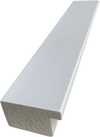
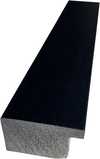
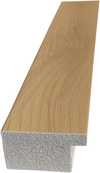
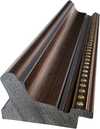
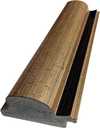

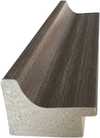
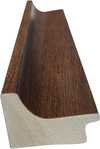
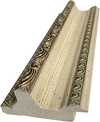
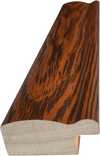
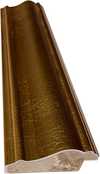

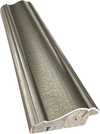
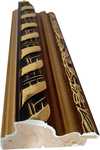

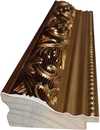
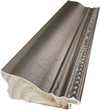
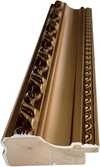
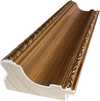
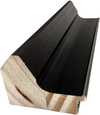
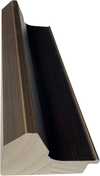

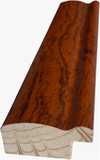
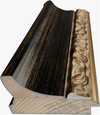
Επιλέξτε από τις προκαθορισμένες διαστάσεις μας που διατηρούν τις αρχικές αναλογίες του έργου τέχνης.

Μπορείτε να εισαγάγετε δικές σας διαστάσεις ώστε να ταιριάξουν με ένα συγκεκριμένο πλαίσιο ή χώρο. Εάν το επιλεγμένο μέγεθος δεν συμπίπτει με τις αναλογίες της πρωτότυπης εικόνας, θα κόψουμε το έργο τέχνης ή θα επεκτείνουμε την εικόνα με καθρεφτισμένη ή μονόχρωμη ατέλεια. Θα σας αποσταλεί ένα ψηφιακό mockup για έγκρισή σας πριν από την έναρξη της παραγωγής.
Παρακαλούμε σημειώστε ότι η προεπισκόπηση στην οθόνη δεν αντικατοπτρίζει την πραγματική κοπή ή επέκταση. Μόνο το mockup θα δείξει με ακρίβεια την τελική σύνθεση.
Παρόλο που είναι διαθέσιμες προσαρμοσμένες διαστάσεις, προτείνουμε την επιλογή μιας διάστασης από τη προκαθορισμένη λίστα για τη διατήρηση των αρχικών αναλογιών.
Παγκόσμια Αποστολή () σε 2 εβδομάδες αντί για τις συνήθεις 4/5 εβδομάδες. (29 Ιούλιος)


Cadaques
Διαστάσεις Αναπαραγωγής
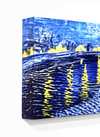
Salvador Dalí's 1922 painting, “Cadaqués,” is more than just a landscape; it’s a meticulously crafted portal into the artist’s subconscious and a vibrant snapshot of his beloved Catalan homeland. Measuring a modest 31 x 34 centimeters, this oil on canvas piece, executed in the burgeoning Post-Impressionist style, immediately draws the viewer into a serene yet subtly unsettling world. Nestled against the rugged backdrop of the Pyrenees mountains, the small coastal town of Cadaqués unfolds before us – a place intimately connected to Dalí’s life and artistic inspiration.
The painting's foundation lies in Post-Impressionism, an era reacting against the purely observational approach of its predecessor. Dalí wasn’t simply depicting what he saw; he was translating his internal world onto canvas, employing expressive brushstrokes and a heightened sense of color to convey emotion and memory. Notice how the light, particularly the warm glow bathing the buildings, isn't rendered with photographic accuracy but rather imbued with an almost dreamlike quality – a hallmark of Dalí’s surrealist tendencies even in this earlier work. The composition itself is carefully considered, guiding the eye through the scene with a deliberate balance between solidity and fluidity.
Dalí's masterful manipulation of light and shadow elevates “Cadaqués” beyond a simple landscape painting. He demonstrates a deep understanding of how light interacts with form, recalling techniques employed by the Renaissance masters – particularly in his use of chiaroscuro, creating dramatic contrasts between illuminated areas and deep shadows. This isn’t merely about realistic representation; it's about evoking atmosphere and mood. The play of light across the rooftops, reflecting off the water, and highlighting the textures of the buildings suggests a timeless quality, as if capturing a fleeting moment suspended in eternity.
The bridge that gracefully arcs across the bay is a crucial element, not just for its structural function but also for its symbolic weight. It represents connection – linking the town to the wider world while simultaneously creating a sense of isolation and introspection. The small boat on the water adds a touch of life and movement, hinting at human activity within this otherwise tranquil scene. Dalí’s deliberate choices in depicting these elements contribute significantly to the painting's overall narrative.
“Cadaqués” is rich with subtle symbolism, reflecting Dalí’s fascination with dreams, mythology, and the subconscious mind. The mountains themselves can be interpreted as guardians or protectors of the town, while the water represents both life and the unknown. The buildings, though realistically rendered, possess an almost sculptural quality, reminiscent of ancient ruins – a visual metaphor for the passage of time and the enduring nature of memory. It’s important to note that Dalí frequently incorporated personal symbolism into his work, often drawing inspiration from his childhood memories and relationships.
Interestingly, “Cadaqués” is part of a series of paintings depicting the town of Cadaqués, alongside other works like "Port of Cadaques (Night)" and "Salvador Dali: Cadaques". These repeated depictions suggest a deep personal connection to the landscape and its significance in Dalí’s artistic vision. The artist's own life was deeply intertwined with this region, further enriching the painting's symbolic layers.
While firmly rooted in Post-Impressionism, “Cadaqués” foreshadows the radical departure of Surrealism. The dreamlike quality of the scene, the distorted perspective, and the emphasis on subjective experience all point towards Dalí's eventual embrace of this revolutionary artistic movement. This early work serves as a valuable bridge between these two styles, demonstrating his initial explorations with unconventional imagery and psychological depth. Reproductions of “Cadaqués” offer a captivating glimpse into the formative years of one of art history’s most iconic figures.
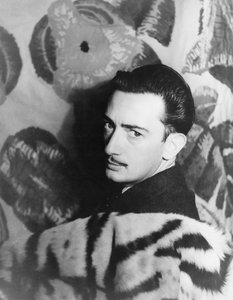
1904 - 1989 , Ισπανία

Explore the profound evolution of art from Impressionism to Post-Impressionism. Discover how masters like Van Gogh revolutionized color and emotion, shaping modern art history through structural innovation and expressive technique.


Μείνετε ενημερωμένοι για τις τελευταίες ειδήσεις σχετικά με την τέχνη, αποκλειστικές προσφορές και ιδέες διακόσμησης.
Πείτε μας περισσότερα για το έργο σας και οι ειδικοί μας στην τέχνη θα σας προσφέρουν 3 εξατομικευμένες προτάσεις έργων τέχνης.
Αφήστε μας να επιμεληθούμε 3 επιλογές αποκλειστικά για εσάς – Δωρεάν!


 Preview
 Αποστολή
 Κοινοποίηση
 Λεπτομέρειες

 Λήψη
Λήψη
 Παρόμοια έργα
 Ακτινογραφία
 Παρουσίαση
 Περισσότερα λεπτομέρεια
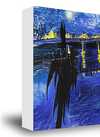
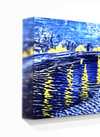

 Η επιλογή με γυαλί είναι διαθέσιμη μόνο για μεγέθη κάτω από 110 εκ.