

 Acrylic On CanvasWallArtPop Art
 1976
1976 183.0 x 218.0 cm
Purchase a high-resolution, enhanced digital image, far superior to the online preview.
Each file is meticulously prepared by our in-house specialists using advanced tools and expert manual retouching. We ensure every image has exceptional clarity, precise color accuracy, and fine detail.
The final file is delivered via email within 72 hours, optimized for immediate use in professional, editorial, and print environments. This is the same quality trusted by top-tier design studios, publishers, and galleries.
Download a high-resolution file for personal display, printing, and creative projects. ( Switch to Print Switch to hand made Painting)
When you choose BuyPopArt.com, you're not just getting an image - you're receiving a professionally enhanced digital artwork, crafted with precision and backed by a satisfaction guarantee. Here's everything that comes with your order, automatically:

Your high-resolution digital image file will be emailed to you within 72 hours of ordering - ready for immediate use.

Your artwork is professionally optimized using advanced AI tools and manual editing, ensuring maximum detail, clarity, and color accuracy.

Accidentally deleted or lost your file? No worries - we'll resend it to you anytime, free of charge.

Enjoy your artwork instantly with zero customs, duties, or delivery fees - digital downloads are always tax-free.

We ensure your digital image reflects the original colors as closely as possible using professional tools and color management.

If you're not satisfied with your digital image, we'll revise it or refund 100% within 60 days - no questions asked.

Not satisfied? Get a full refund within 60 days of receiving your digital file - no questions asked.

Buy 3 images, save 10% - Buy 5, save 15% - Buy 10+, save 20%. Great for creative projects, galleries, and agencies.
Andy Warhol, born Andrew Warhola Jr. in 1928 amidst the industrial heartland of Pittsburgh, Pennsylvania, was a figure destined to redefine the boundaries of art and celebrity. His early life was marked by both hardship and burgeoning creativity. A childhood illness, Sydenham's chorea – often called St. Vitus’ Dance – confined him indoors for extended periods, fostering an intense inner world where artistic expression became a vital outlet. This period wasn’t one of isolation, however; his mother nurtured his talent with art supplies and a steady stream of popular imagery—comic books and movie magazines—that would later become foundational to his iconic style. He excelled at the Carnegie Institute of Technology, graduating in 1949 with a degree in Pictorial Design, before embarking on a journey to New York City, driven by an ambition to establish himself as a commercial illustrator. This initial foray into the world of advertising and magazine work proved crucial, honing his skills in visual communication and instilling a deep understanding of mass production—elements that would become central tenets of his artistic philosophy. His distinctive line drawings quickly gained recognition, securing him success with fashion publications and establishing a reputation for a unique aesthetic sensibility.
By the 1960s, Warhol had begun to transcend the realm of commercial art, emerging as a pivotal figure in the burgeoning Pop Art movement. This was a revolutionary moment in art history, challenging traditional notions of what constituted “high” art by embracing popular culture—advertising, comic books, and mass-produced objects—as legitimate subjects for artistic exploration. Warhol didn’t merely depict these elements; he elevated them, transforming everyday items into iconic symbols of American consumerism. His groundbreaking works from this period, such as Campbell’s Soup Cans (1962) and Marilyn Diptych (1962), were not simply paintings; they were statements about the pervasive influence of mass media and the commodification of image. The silkscreen printing technique he adopted was instrumental in this process, allowing for the mechanical reproduction of images—a deliberate mirroring of the consumer culture he so keenly observed. This method wasn’t just a technical choice; it was a conceptual one, emphasizing repetition, standardization, and the blurring of lines between art and production. Central to Warhol's artistic universe was “The Factory,” his studio space in New York City. More than just a workspace, The Factory became a vibrant hub for artists, musicians, filmmakers, socialites, and anyone drawn to its atmosphere of experimentation and collaboration. It was a scene—a breeding ground for new ideas and a testament to Warhol’s belief that art should be accessible and engaged with the world around it.
Warhol's artistic vision extended beyond consumer goods to encompass the realms of celebrity, death, and disaster—themes that resonated deeply within the evolving cultural landscape of the 1960s and 70s. His portraits of iconic figures like Marilyn Monroe, Elvis Presley, and Elizabeth Taylor weren’t simply flattering representations; they were explorations of fame, image, and the often-fragile nature of celebrity. He captured not just their likenesses but also the aura surrounding them—the manufactured glamour and the underlying vulnerability. Simultaneously, he confronted darker aspects of American society with his “Disaster” series, depicting images of car crashes, electric chairs, and riots. These works were unsettling and provocative, forcing viewers to confront uncomfortable truths about violence and mortality. He wasn’t offering commentary in a traditional sense; rather, he was presenting these images with a detached objectivity, allowing the viewer to draw their own conclusions. This approach—often characterized by repetition and bold colors—created striking visual effects that were both captivating and disturbing. Beyond painting, Warhol ventured into filmmaking, producing experimental works like Sleep (1963) and Chelsea Girls (1966), which further pushed the boundaries of artistic expression. He also collaborated with The Velvet Underground, designing their iconic banana album cover—a testament to his influence extending beyond the fine art world into music and popular culture.
Andy Warhol's impact on the art world is immeasurable. He challenged conventional definitions of art, blurring the lines between high and low culture, and paving the way for new artistic movements like Conceptualism and Performance Art. His exploration of consumerism, celebrity culture, and mass media continues to resonate with audiences today, as these themes remain central to contemporary society. Warhol wasn’t just an artist; he was a cultural phenomenon—a visionary who understood the power of image and its ability to shape perception. He openly embraced his identity as a gay man at a time when such openness was rare, becoming a symbol of liberation and challenging societal norms. His influence can be seen in countless areas, from contemporary art and fashion to music and film. Major museums worldwide—including The Andy Warhol Museum in his hometown of Pittsburgh—exhibit his works, ensuring that his legacy continues to inspire and provoke generations of artists and viewers. He fundamentally altered the way we think about art, transforming it from a rarefied pursuit into something accessible, democratic, and deeply intertwined with the everyday experiences of modern life. His assertion that “everyone will be world-famous for 15 minutes” remains eerily prescient in our age of social media and instant celebrity—a testament to his enduring insight into the human condition and the ever-evolving nature of fame.
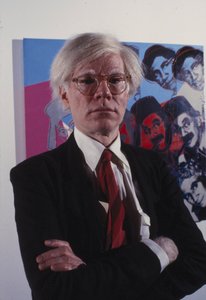
1928 - 1987 , United States of America


Stay updated with the latest art news, exclusive offers, and decoration ideas.
Tell us about your project and our art experts will provide you with 3 personalized art suggestions.
Let Us Curate 3 Options Just for You - Free!


 Preview
 Send
Send Share
Share
 Details

 Download
 Similars
 X-Ray
X-Ray Diaporama
 Read More