x


 Oil On CanvasWallArtAmerican Realism
 1942Modern
 84.0 x 152.0 cm
Hand-painted oil on canvas in your size and frame, made to order by our artists.





























Pick from our preset sizes that match the artwork's original proportions.

You may enter your own dimensions to fit a specific frame or space. If your selected size does not match the original image's proportions, we will either crop the artwork or extend the painting with additional hand-painted elements. A digital mockup will be sent for your approval before production begins.
Please note that the on-screen preview does not reflect the actual cropping or extension. Only the mockup will accurately show the final composition.
While custom sizes are available, we recommend selecting a dimension from the predefined list to preserve the original proportions.
Worldwide Delivery () in 3/4 weeks instead of standard 5 weeks. (16 July). No compromise on quality.


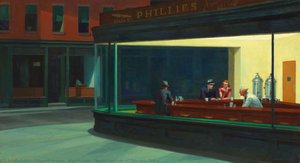
Nighthawks, The Art Institute of Chicago, Chica
Reproduction Size
Created in 1942, this iconic painting captures a late-night scene within an all-night diner, becoming one of the most recognizable images in American art. More than just a depiction of urban life, it's a profound exploration of modern alienation and the quiet solitude found even amidst bustling cityscapes.
Rooted firmly in American Realism, this artwork exemplifies Edward Hopper’s signature style – a meticulous attention to detail combined with an emotionally resonant narrative. Rejecting European abstraction gaining prominence at the time, Hopper focused on portraying everyday American life with stark honesty and psychological depth. He was a key figure in documenting “The American Scene,” capturing the mood and anxieties of a nation grappling with modernity.
Hopper masterfully employs geometric forms and strong horizontal lines to structure the composition, emphasizing both stability and separation. The diner’s large glass window acts as a visual barrier, isolating the figures within from the darkness outside. His technique involves carefully layered oil paints applied with smooth, blended brushstrokes, creating a polished finish that enhances the realism of the scene. Crucially, Hopper's use of light – the harsh artificial glow emanating from the diner contrasted against the deep blues and greens of the night – is central to the painting’s impact.
The seemingly simple subject matter belies a wealth of symbolic meaning. The “Phillies” diner represents a temporary refuge, a fleeting connection in an otherwise anonymous urban environment. The lack of interaction between the figures – the counterman and three patrons – underscores themes of loneliness and disconnection. The empty streets suggest isolation and the transient nature of modern existence. Hopper doesn’t offer answers; he presents a poignant observation of the human condition.
Painted shortly after the attack on Pearl Harbor, this artwork reflects the anxieties and uncertainties of wartime America. While not explicitly referencing the war, the painting's mood of quiet desperation and isolation resonates with the national psyche of the time. It’s a snapshot of a nation grappling with change, loss, and an uncertain future.
This artwork continues to captivate viewers because it taps into universal emotions – loneliness, alienation, and the search for connection. Its enduring appeal lies in its ability to evoke a sense of quiet contemplation and invite introspection. Whether adorning a modern living space or a sophisticated office environment, a reproduction of this masterpiece adds a layer of intellectual depth and emotional resonance.
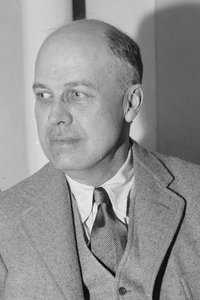
1931 - 1967 , United States of America

Explore the revolutionary Ashcan School! Discover how artists like Henri & Sloan challenged tradition with gritty realism, capturing urban life in early 20th-century America. Learn about their impact on American art history.

Explore the captivating world of realism in art history! Discover iconic street scenes & genre paintings from masters like Courbet & Brown. Expert analysis & museum-quality reproductions at BuyPopArt.

Explore 25 iconic Edward Hopper paintings & their stories. Discover American realism, urban loneliness, and timeless beauty through his masterpieces. Find museum-quality art reproductions & curated decor ideas at BuyPopArt.com.

Explore the evolution of cityscape painting from Realism to contemporary art with BuyPopArt. Discover key artists & invest in timeless urban visions. Expert guidance, museum-quality reproductions.
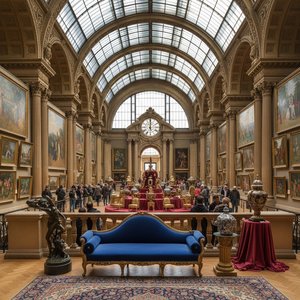
Journey through the Musée d'Orsay’s 25 most iconic artworks! Explore Impressionist & Post-Impressionist masterpieces by Monet, Van Gogh, Degas & more. Find museum-quality art reproductions and curated decor ideas to bring timeless beauty home. Discover all masterpieces on BuyPopArt.com


Stay updated with the latest art news, exclusive offers, and decoration ideas.
Tell us about your project and our art experts will provide you with 3 personalized art suggestions.
Let Us Curate 3 Options Just for You - Free!


 Buy print
 Send
Send Share
Share
 Details

 Download
 Similars
 X-Ray
X-Ray Diaporama
 Read More







 Glass option is only available in size under 110 CM