Buy print Buy printBuy Image Buy Image SendSend
DetailsDetails Add to favorites Add to favorites DownloadDownload SimilarsSimilars X-RayX-Ray DiaporamaDiaporama

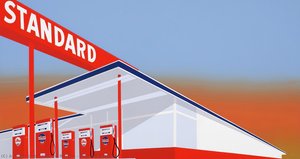
Standard station

Explore Edward Ruscha’s iconic ‘Standard Station’! A minimalist Pop Art masterpiece capturing American roadside culture. Bold colors & graphic design – perfect for art collectors.

Discover Ed Ruscha (b. 1937), a Pop Art pioneer known for paintings blending typography, photography & American landscapes. Explore iconic works like 'Every Building on Sunset Strip'!

Hand Made Oil Reproduction

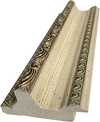
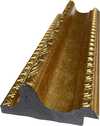
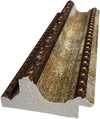
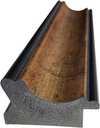
Hand-painted oil on canvas in your size and frame, made to order by our artists.

Standard
custom
CM
INCH

Pick from our preset sizes that match the artwork's original proportions.

width
height

You may enter your own dimensions to fit a specific frame or space. If your selected size does not match the original image's proportions, we will either crop the artwork or extend the painting with additional hand-painted elements. A digital mockup will be sent for your approval before production begins.
Please note that the on-screen preview does not reflect the actual cropping or extension. Only the mockup will accurately show the final composition.
While custom sizes are available, we recommend selecting a dimension from the predefined list to preserve the original proportions.

Examples of what can be changed: Replace face with customer photo; Add pet (e.g., replace cat with dog); Include hidden message in background; Change background landscape or elements.
After order, BuyPopArt.com team will email client for instructions and provide a mockup preview

Worldwide Delivery () in 3/4 weeks instead of standard 5 weeks. (16 July). No compromise on quality.

why_choose_icon
Free Worldwide Express Shipping
why_choose_icon
High-Quality Linen Canvas
why_choose_icon
Full Shipping Insurance
why_choose_icon
Customs Tax Refund Guarantee
why_choose_icon
True Color Matching Guarantee
why_choose_icon
60-Day Return Policy (Defects Only)
why_choose_icon
100% Money-Back Guarantee
why_choose_icon
Bulk Discount Offer

Total Price

-

reproduction

Standard station

Reproduction Medium

Reproduction Size

-

Total Price

-

Quick Facts

  • movement: Pop Art
  • title: Standard Station
  • notable_elements: Bold geometric shapes, contrasting colors, stylized gas station, graphic design aesthetic
  • artist: Edward Ruscha
  • subject: Gas station, roadside architecture
  • year: 1966

Art Quiz

There is only one correct answer for each question.

Question 1:
Who is the artist of the 1966 artwork 'Standard Station'?
Question 2:
What artistic movement is 'Standard Station' associated with?
Question 3:
Which elements are prominent in Ruscha's 'Standard Station'?
Question 4:
What is the main subject depicted in 'Standard Station'?
Question 5:
How does 'Standard Station' reflect American roadside culture?

Artwork Description

Captivating Subject and Iconic Representation

This artwork presents a stylized, minimalist depiction of a classic gas station, capturing a quintessential symbol of American roadside culture. Through its simplified yet instantly recognizable form, it evokes the bustling energy of mid-20th-century America, where the gas station was not just a service point but a cultural icon. The composition emphasizes the structural elements of the station, including the canopy, signage, and fuel pumps, all rendered with bold clarity that invites viewers into a familiar yet abstracted scene.

Distinctive Style and Technique

Created in 1966, this piece exemplifies the Pop Art movement’s fascination with everyday objects and commercial imagery. The work employs clean lines, flat textures, and a limited color palette—primarily red, white, and blue—that enhances its graphic quality. The slightly tilted perspective introduces a dynamic, almost abstract dimension, while the gradient sky background adds depth and atmospheric contrast. The technique combines elements of digital or vector art with traditional painting sensibilities, resulting in a crisp, modern aesthetic that bridges realism and abstraction.

Historical Context and Artistic Significance

Produced during a pivotal era of American art, this piece reflects the rise of Pop Art’s focus on mass culture, consumerism, and vernacular imagery. Edward Ruscha, a leading figure in this movement, sought to elevate mundane scenes into high art, challenging traditional notions of beauty and artistic subject matter. The work’s emphasis on branding and commercial symbols underscores the pervasive influence of advertising and consumer culture in post-war America, making it a powerful commentary on societal values and visual language.

Symbolism and Cultural Reflection

Beyond its visual appeal, the artwork symbolizes the American landscape of mobility, progress, and capitalism. The bright, contrasting colors evoke a sense of optimism and familiarity, while the slightly abstracted form invites viewers to reflect on the ubiquity of commercial architecture and its role in shaping identity. The gas station becomes a metaphor for modern life—both a literal service point and a symbol of the American dream, mobility, and the relentless pursuit of progress.

Emotional Impact and Interior Inspiration

This striking piece resonates with viewers through its bold simplicity and nostalgic undertones. Its vibrant colors and clean design can energize contemporary interiors, making it an ideal focal point in modern homes, offices, or galleries. For art lovers and collectors, it offers a glimpse into a transformative period of American art history, while for interior designers, it provides a versatile, conversation-starting artwork that combines cultural significance with aesthetic appeal. Whether displayed as a statement piece or a subtle accent, this work invites viewers to appreciate the beauty in everyday objects and the stories they tell.

Artist Biography

Edward Joseph Ruscha IV: A Pioneer of Pop Art

Early Life and Education

  • Born on December 16, 1937, in Omaha, Nebraska, Edward Joseph Ruscha IV grew up in a Roman Catholic family.
  • He showed an early interest in art, particularly cartooning, nurtured by his mother’s support.
  • Ruscha moved to Los Angeles in 1956 and studied at the Chouinard Art Institute (now CalArts) from 1956-1960 under Robert Irwin and Emerson Woelffer.
  • During his time at Chouinard, he co-edited the journal *Orb*, a precursor to alternative newspapers.

Artistic Development and Influences

  • Ruscha’s artistic journey began in the early 1960s, aligning him with the Ferus Gallery group in Los Angeles.
  • He was influenced by a diverse range of artists including Jasper Johns, John McLaughlin, H.C. Westermann, Arthur Dove, Alvin Lustig, and Marcel Duchamp.
  • The work of Edward Hopper, particularly his painting *Gas* (1940), also resonated with Ruscha’s developing style.
  • His early works explored the visual language of commercialism and everyday American life.

Key Themes and Style

  • Ruscha is renowned for his incorporation of text and phrases into paintings, often presented in a flat, deadpan aesthetic.
  • He frequently depicted commonplace subjects like gas stations, motels, and landscapes of Southern California.
  • His photographic books, such as Every Building on the Sunset Strip (1966), are iconic examples of his conceptual approach to art.
  • A key theme in Ruscha’s work is the exploration of vernacular language and the visual culture of Los Angeles.

Major Achievements and Notable Works

  • Some of his most celebrated works include:
    • Standard Station (1966): A quintessential representation of American roadside architecture.
    • Large Trademark (1962): An early example of his word-based paintings.
    • Hollywood (1982): Reflecting the iconic imagery of Los Angeles.
    • Every Building on the Sunset Strip (1966): A groundbreaking photographic book documenting a stretch of Sunset Boulevard.
  • Ruscha’s work challenged traditional notions of painting and photography, blurring the boundaries between art forms.

Historical Significance and Legacy

  • Ruscha is considered a pivotal figure in the Pop Art movement, though his style often transcends easy categorization.
  • His influence extends to contemporary artists working with language, photography, and conceptual art.
  • He helped establish Los Angeles as a significant center for artistic innovation during the 1960s.
  • Ruscha continues to live and work in Culver City, California, remaining an active and influential force in the art world.
edward joseph ruscha iv

edward joseph ruscha iv

1937 - , United States of America

Quick Facts

  • Birth Date: December 16, 1937
  • Birth Place: Omaha, Nebraska, United States
  • Influenced By:
    • Jasper Johns
    • John McLaughlin
    • H.C. Westermann
    • Arthur Dove
    • Alvin Lustig
    • Marcel Duchamp
    • Edward Hopper
  • Movement: Pop Art
  • Name: Edward Joseph Ruscha IV
  • Nationality: American
  • Notable Works:
    • Standard Station (1966)
    • Large Trademark (1962)
    • Hollywood (1982)
    • Every Building on the Sunset Strip (1966)
Explore artworks organized by themes, styles, and characteristics.