x


 Oil On CanvasWallArtExpressionism
 1909Modern
 88.0 x 106.0 cm
Hand-painted oil on canvas in your size and frame, made to order by our artists.
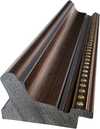
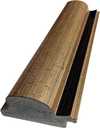
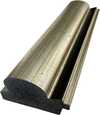
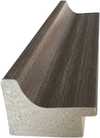
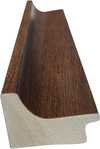
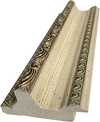
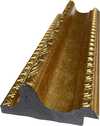
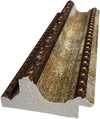
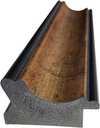
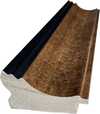
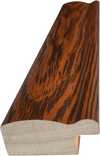
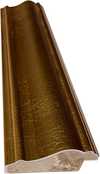
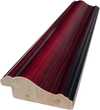
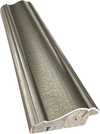
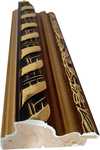
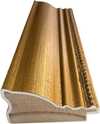
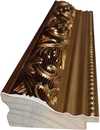
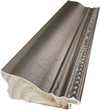
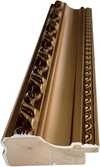
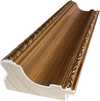
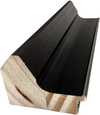
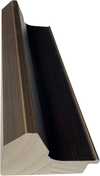
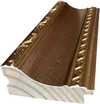
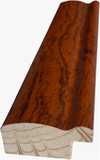
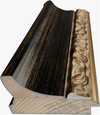
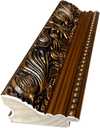
Pick from our preset sizes that match the artwork's original proportions.

You may enter your own dimensions to fit a specific frame or space. If your selected size does not match the original image's proportions, we will either crop the artwork or extend the painting with additional hand-painted elements. A digital mockup will be sent for your approval before production begins.
Please note that the on-screen preview does not reflect the actual cropping or extension. Only the mockup will accurately show the final composition.
While custom sizes are available, we recommend selecting a dimension from the predefined list to preserve the original proportions.
Worldwide Delivery () in 3/4 weeks instead of standard 5 weeks. (16 July). No compromise on quality.


The Mocking of Christ
Reproduction Size
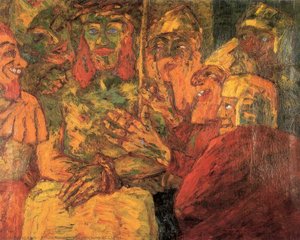
Emil Nolde’s 1909 painting is a powerfully unsettling work that plunges the viewer into a scene of raw emotion and psychological turmoil. While often interpreted as “The Mocking of Christ,” its strength lies not in literal representation, but in its universal portrayal of humiliation, suffering, and the darker aspects of human nature.
Nolde, a pivotal figure in the German Expressionist movement and founding member of Die Brücke (The Bridge), abandons traditional artistic conventions in favor of subjective experience. This painting exemplifies his signature style: distorted figures, jarring color combinations, and energetic brushwork. Thick impasto layers of oil paint build texture and immediacy, conveying a sense of urgency and spontaneity. The lack of precise outlines and flattened perspective contribute to the claustrophobic atmosphere, drawing the viewer directly into the emotional intensity of the scene.
The color palette is far from naturalistic; instead, Nolde employs earthy tones – ochres, reds, browns, greens, and yellows – in deliberately unsettling ways. Skin tones range from sickly green to fiery red, amplifying the sense of distress and torment. These bold, often clashing colors aren’t merely descriptive but serve as powerful emotional signifiers, reflecting the inner turmoil of the figures depicted.
Created during a period of significant social and political upheaval, this artwork reflects the anxieties and disillusionment prevalent in early 20th-century Germany. Nolde and his fellow Expressionists rejected academic traditions, seeking to express inner feelings rather than objective reality. This rebellion against established norms paved the way for new artistic possibilities and profoundly influenced subsequent generations of artists.
The painting’s symbolism is open to interpretation, but the distorted faces and unsettling composition clearly convey a sense of alienation, cruelty, and despair. The central figure's gesture – hands clasped or raised in anguish – speaks to universal themes of suffering and vulnerability. While potentially referencing the biblical narrative of Christ’s mockery, the artwork transcends specific religious iconography, becoming a potent symbol of human degradation and societal indifference.
This reproduction captures the raw emotional power and artistic innovation of Nolde's original masterpiece. Its dramatic composition and intense color palette make it a striking focal point for any interior space, adding depth, complexity, and intellectual stimulation. Ideal for collectors seeking emotionally resonant art or designers aiming to create impactful environments, this piece invites contemplation and sparks conversation.
Emil Nolde, a renowned German-Danish painter, was born Hans Emil Hansen on August 7, 1867, in Nolde, Schleswig-Holstein, Germany. He came from a family with strong ties to rural life and religious beliefs, factors that would profoundly influence his artistic vision. Despite initial resistance from his parents, who preferred he pursue a more conventional career, Nolde relentlessly pursued his passion for art. He initially worked as a wood carver and furniture decorator before dedicating himself fully to painting in his late twenties.
Nolde’s artistic journey was marked by self-education and exploration. He traveled extensively, absorbing influences from various cultures and art forms. Early influences included Vincent van Gogh, Paul Gauguin, and traditional folk art – particularly the expressive power of primitive masks and carvings. These encounters sparked his interest in bold colors, simplified forms, and emotionally charged subject matter. He initially experimented with Realism and Impressionism but quickly moved towards a more subjective and expressive style.
In 1905, Nolde co-founded Die Brücke (The Bridge), a pivotal group of German Expressionist artists. This collective sought to break away from academic traditions and express inner emotions through radical artistic experimentation. Nolde’s contribution to Die Brücke was significant; his intense use of color and distorted forms pushed the boundaries of representation. However, he maintained a somewhat independent path within the group, often diverging in subject matter and stylistic approach.
Nolde’s oeuvre is characterized by several recurring themes: religious scenes, landscapes, seascapes, and portraits. He was particularly fascinated by the power of masks – both as physical objects and symbolic representations of primal emotions. His artistic style is defined by:
Throughout his career, Nolde created a vast body of work. Some of his most celebrated paintings include:
Despite facing criticism and censorship during the Nazi regime – his work was deemed “degenerate” – Nolde continued to paint in secret. He produced a significant body of watercolor paintings during this period, demonstrating his unwavering commitment to artistic expression.
Emil Nolde’s innovative use of color and expressive brushwork profoundly influenced generations of artists. His work bridged the gap between traditional representational art and the abstract movements that followed. He remains a central figure in the history of German Expressionism, celebrated for his emotional intensity, bold experimentation, and enduring artistic vision. His legacy continues to inspire artists and art lovers worldwide.

1867 - 1956 , Germany

Explore 10 defining German Expressionism masterpieces – from Munch's 'The Scream' to Kandinsky’s abstracts. Discover the artists, stories & bold colors behind this powerful art movement. Find museum-quality reproductions at BuyPopArt.com.

Explore the powerful world of Expressionism with BuyPopArt. Discover key artists like Kirchner & Nolde, understand its emotional impact, and learn about this revolutionary art movement's lasting legacy. Handmade oil paintings available.

Explore the powerful Expressionism of Emile Nolde – a pioneer of emotive landscapes & spiritual themes. Discover his journey, influences, and lasting impact on modern art. Hand-painted reproductions available at BuyPopArt.

Explore the powerful world of German Expressionism with BuyPopArt. Discover Kirchner, Nolde & Die Brücke's emotive masterpieces. Learn about this pivotal art movement and its lasting impact on modern art.

Explore 10 Expressionist paintings that revolutionized art! Discover Munch, Kirchner & Kandinsky's iconic works. Find museum-quality reproductions and vibrant canvas prints to elevate your home decor on BuyPopArt.com.


Stay updated with the latest art news, exclusive offers, and decoration ideas.
Tell us about your project and our art experts will provide you with 3 personalized art suggestions.
Let Us Curate 3 Options Just for You - Free!


 Buy print
 Send
Send Share
Share
 Details

 Download
 Similars
 X-Ray
X-Ray Diaporama
 Read More
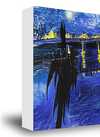
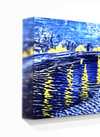
 Glass option is only available in size under 110 CM