

 Oil On CanvasWallArtExpressionism
 1958Renaissance
 152.0 x 119.0 cm
Hand-painted oil on canvas in your size and frame, made to order by our artists. ( Buy Print Buy Image)





























Pick from our preset sizes that match the artwork's original proportions.

You may enter your own dimensions to fit a specific frame or space. If your selected size does not match the original image's proportions, we will either crop the artwork or extend the painting with additional hand-painted elements. A digital mockup will be sent for your approval before production begins.
Please note that the on-screen preview does not reflect the actual cropping or extension. Only the mockup will accurately show the final composition.
While custom sizes are available, we recommend selecting a dimension from the predefined list to preserve the original proportions.
Worldwide Delivery () in 3/4 weeks instead of standard 5 weeks. (24 August). No compromise on quality.


Self Portrait
Reproduction Size
Francis Bacon’s Self Portrait, painted in 1958, stands as an arresting testament to the artist's profound engagement with existential anxieties and his singular approach to figurative painting. More than just a depiction of the individual, it embodies a complex exploration of psychological torment—a visual distillation of the human condition at its most vulnerable.
Composition & Style The canvas measures 152 x 119 cm and is executed in oil on canvas. Bacon’s distinctive style—characterized by distorted forms, fragmented surfaces, and unsettling juxtapositions—immediately commands attention. He eschews traditional perspective, opting instead for a flattened space that amplifies the emotional intensity of the scene. The central figure sits rigidly on a bench, his hands covering his face in a gesture of profound despair.
Expressionism & Technique Bacon’s masterful use of expressionist techniques—particularly bold brushstrokes and impasto—creates a palpable sense of unease. Thickly applied paint captures the physicality of emotion, conveying a visceral reaction to trauma and isolation. The abstracted background forms—sweeping lines and amorphous shapes—further contribute to the painting's turbulent atmosphere, mirroring the internal turmoil depicted in the central figure.
Historical Context & Symbolism Created during Bacon’s prolific output period, Self Portrait aligns with broader artistic trends of the mid-century. It echoes influences from Surrealism and Cubism, reflecting a fascination with exploring subconscious states and challenging conventional representations of reality. The gesture of covering one's face—a recurring motif in Bacon’s oeuvre—symbolizes concealment, repression, and the struggle to confront uncomfortable truths. It speaks to the universal experience of confronting mortality and grappling with inner demons.
Comparison & Legacy Bacon’s Self Portrait shares thematic resonances with other significant works by the artist, notably Study for a Self Portrait (1963) and Diptych: Study from the Human Body – from a Drawing by Ingres (1982 – 1984). These pieces similarly delve into themes of psychological vulnerability and existential crisis, cementing Bacon’s reputation as one of the most influential artists of his time.
Museum Collection The painting resides in the Smithsonian American Art Museum in Washington D.C., alongside other celebrated works by Bacon and luminaries like George Peter Alexander Healy and Benjamin Kopman—a testament to Bacon's enduring impact on the artistic landscape.
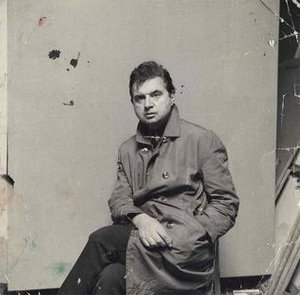
1909 - 1992 , Ireland

Dive into the raw, visceral world of Figurative Expressionism. Explore how icons like Schiele and Bacon use bold textures and intense human forms to redefine modern aesthetics. Discover high-impact art that brings unapologetic energy and emotional depth to your contemporary space.


Stay updated with the latest art news, exclusive offers, and decoration ideas.
Tell us about your project and our art experts will provide you with 3 personalized art suggestions.
Let Us Curate 3 Options Just for You - Free!


 Preview
 Send
Send Share
Share
 Details

 Download
 Similars
 X-Ray
X-Ray Diaporama
 Read More







 Glass option is only available in size under 110 CM


