x


 Oil On CanvasWallArtNeoclassicism
 1787
1787 127.0 x 102.0 cm
 English Heritage
Hand-painted oil on canvas in your size and frame, made to order by our artists.
Pick from our preset sizes that match the artwork's original proportions.

You may enter your own dimensions to fit a specific frame or space. If your selected size does not match the original image's proportions, we will either crop the artwork or extend the painting with additional hand-painted elements. A digital mockup will be sent for your approval before production begins.
Please note that the on-screen preview does not reflect the actual cropping or extension. Only the mockup will accurately show the final composition.
While custom sizes are available, we recommend selecting a dimension from the predefined list to preserve the original proportions.
Worldwide Delivery () in 3/4 weeks instead of standard 5 weeks. (16 July). No compromise on quality.


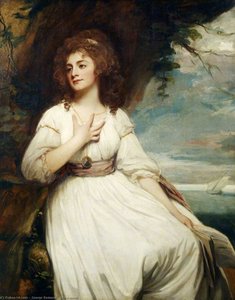
Mrs Crouch
Reproduction Size
George Romney's "Mrs Crouch," completed in 1787, stands as a testament to the Neoclassical aesthetic—a movement that championed idealized beauty and formal composition—and offers a captivating glimpse into the artistic sensibilities of its time. More than just a likeness of a woman, this oil on canvas painting embodies a profound exploration of serenity, grace, and the harmonious relationship between humanity and nature. The subject herself is presented with remarkable realism, capturing her posture and expression with meticulous detail. Romney skillfully employs chiaroscuro—the dramatic interplay of light and shadow—to sculpt the form of Mrs Crouch’s dress and hair, highlighting textures and creating subtle contours that convey a sense of volume and presence. The rocky outcrop upon which she sits serves as more than just a backdrop; it symbolizes stability and resilience, mirroring the woman's inner strength and composure. Surrounding her is a hazy seascape dotted with distant sails—a deliberate choice reflecting the prevailing Romantic fascination with expansive landscapes and evoking feelings of tranquility and contemplation. Romney’s technique demonstrates an unwavering commitment to accuracy and observation. He painstakingly builds up layers of paint using brushstrokes that are both delicate and purposeful, capturing the sheen of fabric and the roughness of stone with impressive fidelity. The artist's meticulous attention to detail speaks volumes about his mastery of oil painting—a medium favored by Neoclassicists for its ability to achieve luminous effects and convey nuanced tonal variations. Historically, Romney’s work emerged during a period of significant artistic innovation in Britain. The Neoclassical movement reacted against the excesses of Rococo art, advocating instead for clarity, restraint, and an emulation of classical ideals—particularly those found in ancient Greece and Rome. Romney's patrons included prominent figures of the British aristocracy, eager to adorn their homes with artworks that conveyed status and sophistication. “Mrs Crouch” exemplifies this ambition, presenting a portrait that is both aesthetically pleasing and symbolically resonant. Beyond its formal qualities, the painting possesses an undeniable emotional impact. The soft lighting and muted color palette contribute to a mood of quiet contemplation—inviting viewers to appreciate the beauty of stillness and the dignity of human presence. Romney’s portrayal captures not merely physical appearance but also inner character—suggesting that Mrs Crouch embodies virtues such as grace, composure, and resilience. It is precisely this ability to convey emotion through visual form that secures “Mrs Crouch”'s place among the masterpieces of British portraiture.

1734 - 1802 , United Kingdom

Journey through 18th century art! Explore 10 iconic paintings – from Rococo elegance to Neoclassical grandeur. Discover Fragonard, David & more. Find museum-quality reproductions and elevate your home decor on BuyPopArt.com.

Explore the life & art of Louise Élisabeth Vigée Le Brun, Marie Antoinette’s renowned portraitist. Discover her Rococo style, self-portraits, and influence on 18th-century French painting. A deep dive into patronage & feminine identity.

Explore the life & work of Thomas Hudson, a leading 18th-century British portraitist. Discover his mastery of the 'Grand Manner,' influential style, and lasting impact on British art. Learn about his notable portraits like Judge William Noel & Alexander Van Aken.
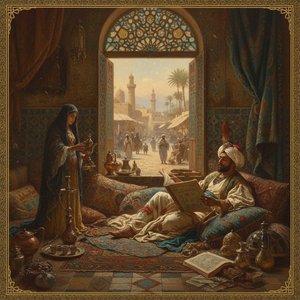
Explore the captivating Orientalist paintings of John Frederick Lewis! Discover his mastery of detail, genre scenes & influence on 19th-century British art. Learn about his life, techniques & legacy at BuyPopArt.

Explore the world of 18th-century portraiture with BuyPopArt. Discover symbolism, artistic innovation & societal values reflected in masterpieces by Reynolds, Hogarth & more. Expert insights for collectors.


Stay updated with the latest art news, exclusive offers, and decoration ideas.
Tell us about your project and our art experts will provide you with 3 personalized art suggestions.
Let Us Curate 3 Options Just for You - Free!


 Buy print
 Send
Send Share
Share
 Details

 Download
 Similars
 X-Ray
X-Ray Diaporama
 Read More




































 Glass option is only available in size under 110 CM