x

 Oil On CanvasWallArtRegionalism
 1930Modern
 74.0 x 62.0 cm
 Art Institute of Chicago
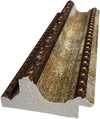
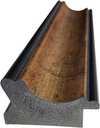
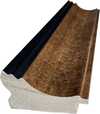
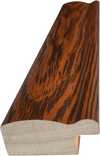
Hand-painted oil on canvas in your size and frame, made to order by our artists.
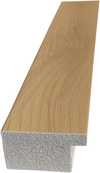
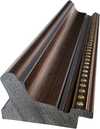
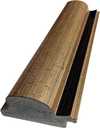
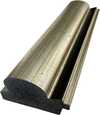
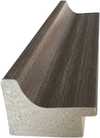
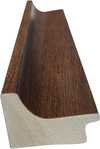
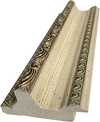
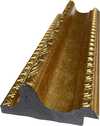
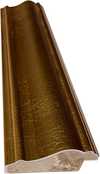
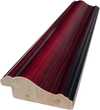
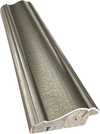
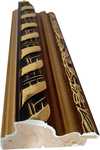
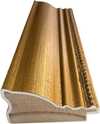
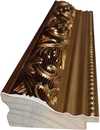
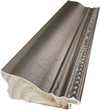
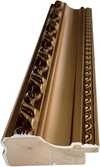
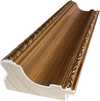
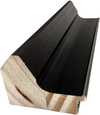
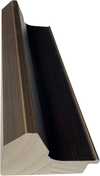
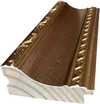
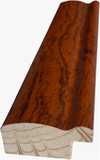
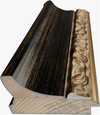
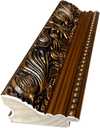
Pick from our preset sizes that match the artwork's original proportions.

You may enter your own dimensions to fit a specific frame or space. If your selected size does not match the original image's proportions, we will either crop the artwork or extend the painting with additional hand-painted elements. A digital mockup will be sent for your approval before production begins.
Please note that the on-screen preview does not reflect the actual cropping or extension. Only the mockup will accurately show the final composition.
While custom sizes are available, we recommend selecting a dimension from the predefined list to preserve the original proportions.
Worldwide Delivery () in 3/4 weeks instead of standard 5 weeks. (16 July). No compromise on quality.


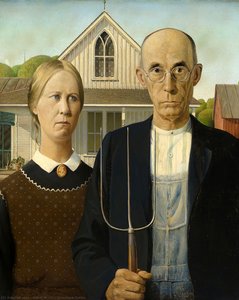
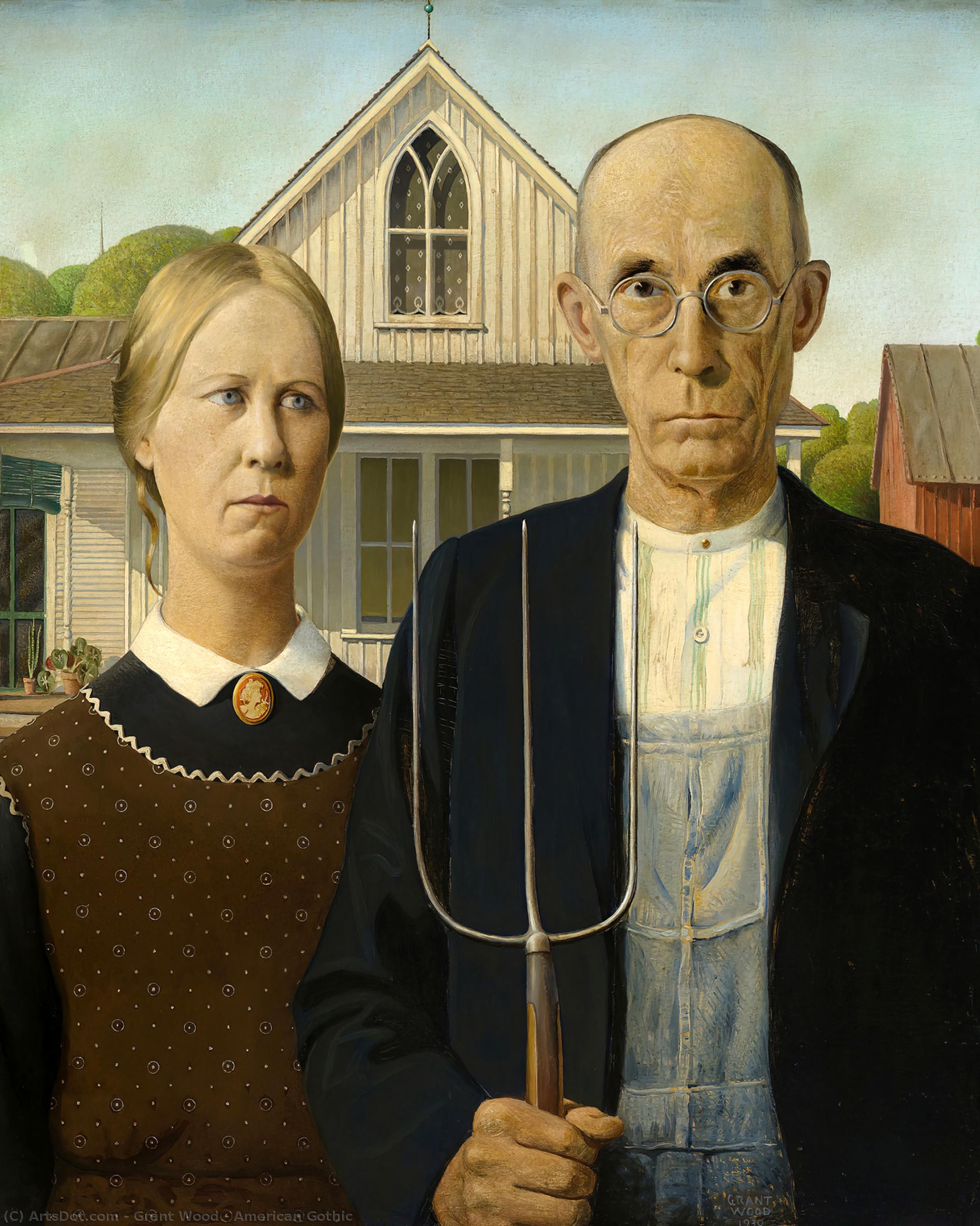
American Gothic
Reproduction Size
Grant DeVolson Wood, an American painter, was born on February 13, 1891, in rural Iowa. His life changed dramatically after the death of his father in 1901, when his mother relocated the family to Cedar Rapids. Wood began his artistic journey as an apprentice in a local metal shop before enrolling at the Handicraft Guild in Minneapolis in 1910—an art school notable for being run by women and focused on the Arts and Crafts movement.
Wood’s art was deeply influenced by Jan van Eyck, the 15th-century Flemish master renowned for his precise and luminous technique. This meticulous clarity became a hallmark of Wood’s own style, best exemplified in his most celebrated work, American Gothic. As a leading figure in the American Regionalism movement—a style emphasizing the realistic depiction of rural and small-town America—Wood developed a uniquely American voice that combined European craftsmanship with Midwestern authenticity.
American Gothic (1930): A defining image of 20th-century American art, often compared to Leonardo da Vinci’s Mona Lisa and Edvard Munch’s The Scream for its cultural resonance. The Stone City Art Colony (1932): Founded by Wood near his hometown, the colony provided vital support for artists during the Great Depression. University of Iowa School of Art (1934–1941): As a teacher, Wood inspired a generation of artists to find beauty and meaning in the familiar landscapes of the American Midwest.
Grant Wood passed away on February 12, 1942, at the age of 51, due to pancreatic cancer. His estate was left to his sister, Nan Wood Graham—immortalized as the female figure in American Gothic. Today, his personal belongings and many of his works are preserved at the Figge Art Museum in Davenport, Iowa. Wood’s devotion to portraying the dignity of everyday American life continues to influence artists and scholars worldwide.

1891 - 1942 , United States of America

Explore the world of Grant Wood & American Regionalism with BuyPopArt. Discover the symbolism behind 'American Gothic', recurring themes, and the movement's lasting impact on art history. High-quality reproductions available.

Explore the rich history of pastoral landscape art, from classical Arcadia to Impressionism & beyond. Discover key artists, movements, and how to collect serene rural scenes for your home. Expert insights at BuyPopArt.

Explore the rise of American Regionalism in interwar art! Discover Grant Wood, Thomas Hart Benton & the movement's impact on American identity. Expert analysis & historical context.

Explore the evolution of cityscape painting from Realism to contemporary art with BuyPopArt. Discover key artists & invest in timeless urban visions. Expert guidance, museum-quality reproductions.

Explore the rich history of rural landscape painting with BuyPopArt. Discover Impressionist masterpieces, key artists & movements. Find your perfect serene artwork and bring nature's beauty home.


Stay updated with the latest art news, exclusive offers, and decoration ideas.
Tell us about your project and our art experts will provide you with 3 personalized art suggestions.
Let Us Curate 3 Options Just for You - Free!


 Buy print
 Send
Send Share
Share
 Details

 Download
 Similars
 X-Ray
X-Ray Diaporama
 Read More

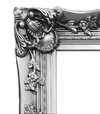
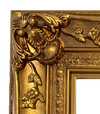
 Glass option is only available in size under 110 CM