x


 Oil On CanvasWallArtRealism
 187519th Century
 117.0 x 82.0 cm
Hand-painted oil on canvas in your size and frame, made to order by our artists.
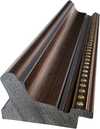
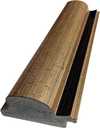
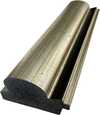
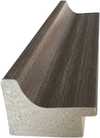
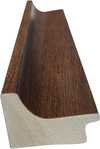
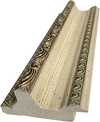
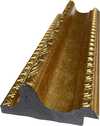
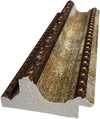
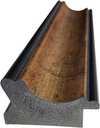
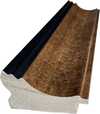
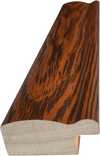
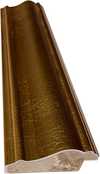
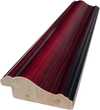
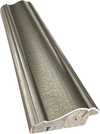
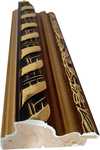
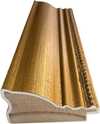
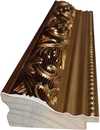
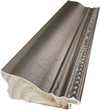
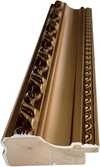
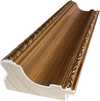
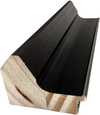
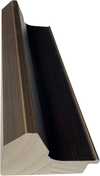
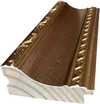
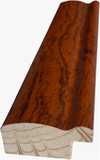
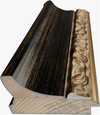
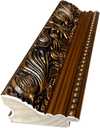
Pick from our preset sizes that match the artwork's original proportions.

You may enter your own dimensions to fit a specific frame or space. If your selected size does not match the original image's proportions, we will either crop the artwork or extend the painting with additional hand-painted elements. A digital mockup will be sent for your approval before production begins.
Please note that the on-screen preview does not reflect the actual cropping or extension. Only the mockup will accurately show the final composition.
While custom sizes are available, we recommend selecting a dimension from the predefined list to preserve the original proportions.
Worldwide Delivery () in 3/4 weeks instead of standard 5 weeks. (16 July). No compromise on quality.


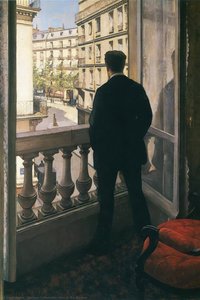
Man at the Window
Reproduction Size
Gustave Caillebotte’s 1875 masterpiece offers a captivating glimpse into modern Parisian life, transcending mere representation to become a poignant study of urban isolation and quiet contemplation. This meticulously detailed painting invites viewers to share in the private moment of a man lost in thought, gazing out upon the bustling city below.
While often associated with the Impressionist movement – of which he was both a participant and patron – Caillebotte’s style is distinctly rooted in Realism. He masterfully blends precise observation with an emerging sensitivity to light and atmosphere, foreshadowing many characteristics of Impressionism. Unlike some of his contemporaries who focused on fleeting moments, Caillebotte delivers a scene grounded in tangible detail; the architectural precision of the buildings, the texture of fabrics, and the very posture of the figure are rendered with remarkable accuracy.
The composition is powerfully structured around vertical lines – the window frame, the man’s form, and the towering Parisian architecture. This emphasizes a sense of enclosure and separation. The strategic placement of the vibrant red chair in the foreground provides a striking visual counterpoint to the muted tones dominating the rest of the canvas, drawing the eye and adding symbolic weight. Caillebotte's technique showcases his skill with oil paint; subtle layering creates depth, while nuanced brushwork captures both the smoothness of textiles and the rough texture of stone.
Created during a period of rapid urban development in Paris under Baron Haussmann, this painting reflects the changing face of the city. The grand boulevards and elegant architecture symbolize progress and modernity, yet also hint at a sense of alienation within the increasingly impersonal urban environment. Caillebotte’s work captures this duality – the beauty and the isolation inherent in modern life.
The man's back being turned to the viewer is crucial; it creates distance, inviting speculation about his thoughts and feelings. Is he melancholic? Contemplative? Disconnected? The cityscape itself can be interpreted as a symbol of both opportunity and anonymity. The red chair, a bold splash of color, could represent passion, vitality, or perhaps a lost connection – a poignant reminder of the human element within the urban landscape.
“Man at the Window” is more than just a historical artwork; it’s a timeless piece that resonates with contemporary audiences. Its subdued palette and sophisticated composition make it an ideal addition to modern interiors, adding depth, intrigue, and a touch of Parisian elegance. Whether displayed in a living room, study, or office, this painting will undoubtedly spark conversation and inspire contemplation.

1848 - 1894 , France

Explore the life & works of William Powell Frith, the 'greatest British painter of social scenes.' Discover his iconic Victorian genre paintings and learn about his lasting impact on realist art. Hand-painted reproductions available.
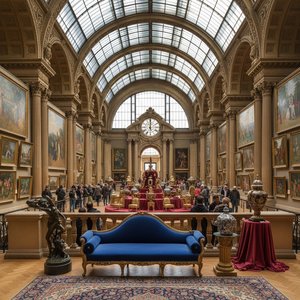
Journey through the Musée d'Orsay’s 25 most iconic artworks! Explore Impressionist & Post-Impressionist masterpieces by Monet, Van Gogh, Degas & more. Find museum-quality art reproductions and curated decor ideas to bring timeless beauty home. Discover all masterpieces on BuyPopArt.com

Explore the life & art of Gustave Caillebotte, a pivotal figure bridging Realism & Impressionism. Discover his iconic Parisian scenes and lasting legacy with BuyPopArt.

Explore the captivating world of Dutch Golden Age genre painting! Discover realistic depictions of daily life, masterful artists like Ostade & Metsu, and hidden symbolism. Learn about this influential art movement with BuyPopArt.

Explore the evolution of cityscape painting from Realism to contemporary art with BuyPopArt. Discover key artists & invest in timeless urban visions. Expert guidance, museum-quality reproductions.


Stay updated with the latest art news, exclusive offers, and decoration ideas.
Tell us about your project and our art experts will provide you with 3 personalized art suggestions.
Let Us Curate 3 Options Just for You - Free!


 Buy print
 Send
Send Share
Share
 Details

 Download
 Similars
 X-Ray
X-Ray Diaporama
 Read More
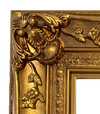
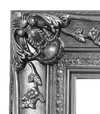
 Glass option is only available in size under 110 CM