
x


 Oil On PanelOtherNorthern Renaissance
 1528Renaissance
 83.0 x 67.0 cm
 The Louvre
Hand-painted oil on canvas in your size and frame, made to order by our artists.
Pick from our preset sizes that match the artwork's original proportions.

You may enter your own dimensions to fit a specific frame or space. If your selected size does not match the original image's proportions, we will either crop the artwork or extend the painting with additional hand-painted elements. A digital mockup will be sent for your approval before production begins.
Please note that the on-screen preview does not reflect the actual cropping or extension. Only the mockup will accurately show the final composition.
While custom sizes are available, we recommend selecting a dimension from the predefined list to preserve the original proportions.
Worldwide Delivery () in 3/4 weeks instead of standard 5 weeks. (16 July). No compromise on quality.


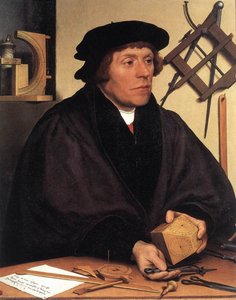
Portrait of Nikolaus Kratzer
Reproduction Size
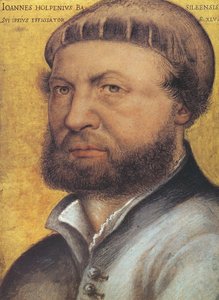
Hans Holbein the Younger, a master of the Northern Renaissance, possessed an extraordinary ability to capture not merely the likeness but the very essence of his sitters. His 1528 portrait of Nikolaus Kratzer, currently residing in the Louvre with a compelling copy held by the National Portrait Gallery, stands as a testament to this skill. It’s more than just a depiction of a man; it's an intimate glimpse into the world of Renaissance scholarship and scientific pursuit, rendered with meticulous detail and imbued with subtle symbolism.
Nikolaus Kratzer, a German mathematician, astronomer, and horologist who served as astronomer to King Henry VIII, is presented not as a grand figure of the court but as a dedicated craftsman immersed in his work. He holds a half-finished polyhedral sundial, its intricate geometry hinting at the complex calculations that occupied his mind. Surrounding him are the tools of his trade – quadrants, dials, and architectural drawings – meticulously arranged to convey both precision and intellectual curiosity. Holbein doesn’t simply *show* us Kratzer's profession; he invites us into his workshop, allowing us to witness the tangible reality of Renaissance scientific inquiry. The composition is deliberately focused, drawing our attention to the tools that define Kratzer’s identity and passion. It’s a portrait not of status or power, but of dedicated intellect.
Holbein's technical brilliance shines through in every brushstroke. The muted color palette – dominated by rich browns, blacks, and beiges – creates a sense of depth and gravitas, focusing the viewer’s attention on Kratzer’s face and hands. Subtle touches of red in his collar provide a warming contrast to the somber tones, preventing the portrait from feeling austere. The artist's mastery of texture is remarkable; one can almost feel the smooth fabric of Kratzer’s clothing and the rough grain of the wooden desk. Strong, defined lines delineate forms with precision, yet Holbein avoids harshness, achieving a delicate balance between realism and artistic refinement. The lighting, emanating from the upper left, subtly models the features of Kratzer's face, revealing his thoughtful expression and adding to the portrait’s overall sense of quiet contemplation.
Painted during a period of significant intellectual and scientific advancement, this portrait reflects the spirit of the Renaissance. Holbein was deeply influenced by artistic trends from Italy, France, and the Netherlands, as well as by the burgeoning humanist movement. The inclusion of Kratzer’s instruments isn't merely decorative; it symbolizes the era’s emphasis on observation, measurement, and rational inquiry. Holbein’s association with prominent figures like Thomas More and his role as a court painter to Henry VIII further underscore the historical significance of this artwork. It offers a valuable insight into the cultural milieu of Tudor England, where intellectual pursuits were increasingly valued alongside political power.
Beyond its technical brilliance and historical context, Holbein’s portrait of Nikolaus Kratzer possesses a profound emotional resonance. Kratzer's serious expression conveys a sense of dedication and contemplation, inviting viewers to reflect on the intellectual pursuits that defined his life. The intricate details of the tools and drawings serve as a testament to his profession and scholarly commitment. This is not simply a representation of an individual; it’s a celebration of human curiosity and the enduring power of knowledge. For art lovers, collectors, and those seeking to enrich their living spaces, this reproduction offers a captivating window into the past—a timeless masterpiece that continues to inspire awe and admiration.
1497 - 1543 , Italy

Explore the artistic innovation of the German Renaissance! Discover Dürer, the Danube School & Reformation art. Learn about techniques, materials & lasting influence. Find museum-quality reproductions at BuyPopArt.

Explore the Renaissance! Discover key artists like Leonardo & Michelangelo, the rise of Humanism, and groundbreaking techniques such as chiaroscuro. A comprehensive guide for art enthusiasts.

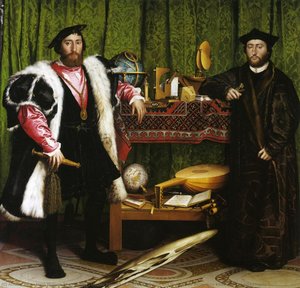
Explore the life & art of Hans Holbein the Younger, a Renaissance master renowned for his strikingly realistic portraits and psychological insight. Discover iconic works like 'The Ambassadors' and delve into his lasting legacy.

Explore the captivating world of Renaissance painting! Discover key themes, masterful techniques & iconic artworks from Leonardo da Vinci to Raphael. Learn about Humanism's influence and the stylish departure of Mannerism.

Explore 10 Renaissance Humanism masterpieces by Leonardo da Vinci, Michelangelo & Raphael. Discover the stories behind these iconic paintings & sculptures and bring timeless art into your home with museum-quality reproductions from BuyPopArt.com. Explore the full collection online!


Stay updated with the latest art news, exclusive offers, and decoration ideas.
Tell us about your project and our art experts will provide you with 3 personalized art suggestions.
Let Us Curate 3 Options Just for You - Free!


 Buy print
 Send
Send Share
Share
 Details

 Download
 Similars
 X-Ray
X-Ray Diaporama
 Read More
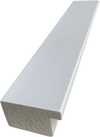
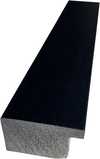
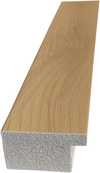
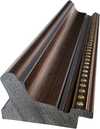
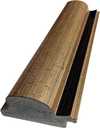
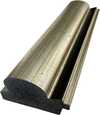
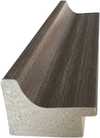
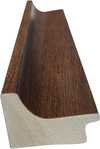
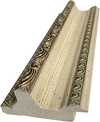
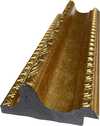
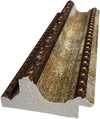
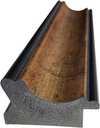
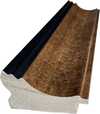
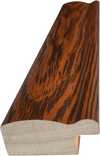
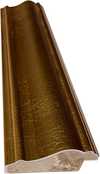
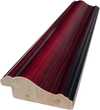
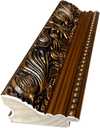
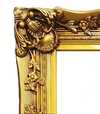
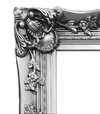
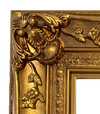
 Glass option is only available in size under 110 CM






![Double Portrait of Jean de Dinteville and Georges de Selve (aka The Ambassadors) [detail]](/media/artworks/images/thumbnails/23/11/2311efb8202f4a2ea763c4d4a9227550.jpg)


