


 Oil On CanvasWallArtRomantic Landscape
 180919th Century
 25.0 x 41.0 cm
 Yale Center for British Art
Museum-quality giclée or canvas print with fast production and flexible finish options. ( Switch to hand made Painting Switch to Image)
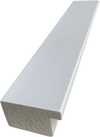
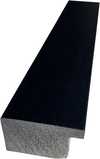
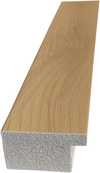
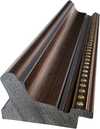
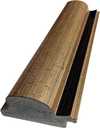
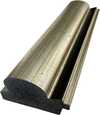
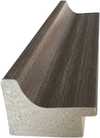
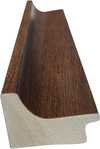
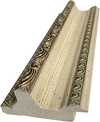
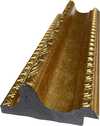
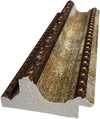
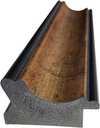
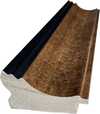
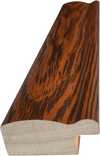
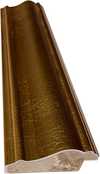
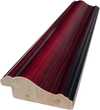
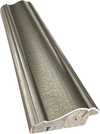
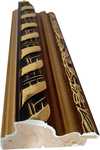
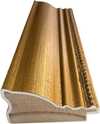
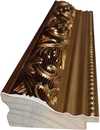
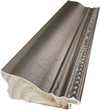
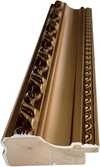
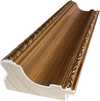
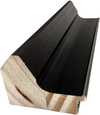
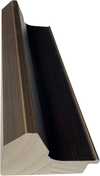
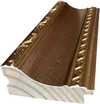
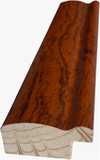
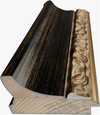
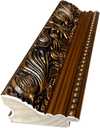
Pick from our preset sizes that match the artwork's original proportions.

You may enter your own dimensions to fit a specific frame or space. If your selected size does not match the original image's proportions, we will either crop the artwork or extend the image with a mirrored or solid-fill edge. A digital mockup will be sent for your approval before production begins.
Please note that the on-screen preview does not reflect the actual cropping or extension. Only the mockup will accurately show the final composition.
While custom sizes are available, we recommend selecting a dimension from the predefined list to preserve the original proportions.
Worldwide Delivery () in 2 weeks instead of standard 4/5 weeks. (29 July)


Rough Coated Collie
Reproduction Size
To gaze upon this depiction of a Rough Coated Collie on the edge of the water is to be instantly transported to a day of perfect, windswept tranquility. Painted in 1809 by James Ward, this work captures more than just a portrait; it arrests a fleeting moment of pastoral communion between man's companion and the vast, breathing expanse of the sea. The dog, positioned with such natural grace towards the left, seems utterly absorbed by the distant horizon—perhaps tracking the passage of an unseen boat or merely following the whisper of the tide. Ward masterfully imbues this canine subject with a noble dignity, transforming a simple pet portrait into a meditation on loyalty and the enduring connection between creature and environment.
James Ward’s technique here speaks to the burgeoning Romantic sensibility of early 19th-century British art. While his skill is evident in the detailed rendering of the collie's thick, textured coat, it is the handling of the atmosphere that truly elevates the piece. Notice how the light seems to emanate from the water itself, catching the scattered rocks along the beach and illuminating the soft curve of the dog’s silhouette against the brighter background. The inclusion of the two distant birds in the sky adds a vital layer of depth, suggesting an open, limitless space beyond the immediate foreground. This careful balance between the sharply observed subject and the airy backdrop is characteristic of Ward's ability to merge intimate portraiture with grand landscape suggestion.
Painted during a period when British art was deeply invested in capturing the sublime power of nature, this work resonates with that cultural yearning. The beach setting itself becomes a symbolic space—a liminal zone between land and sea, known historically for its emotional weight and reflective quality. For the collector or designer, owning such a piece is acquiring not merely paint on canvas, but a tangible echo of peaceful contemplation. It suggests an escape, a quiet moment stolen from the clamor of daily life, inviting the viewer to pause and breathe with the dog.
The dimensions of 25 x 41 cm make this reproduction ideal for placement in drawing rooms, seaside conservatories, or studies where a touch of refined, natural elegance is desired. The palette—dominated by muted blues, sandy ochres, and the rich browns of the dog’s fur—is inherently soothing. Whether you are seeking an artwork that speaks to the enduring bond between humanity and animal companionship, or one that simply anchors a room with the timeless beauty of a coastal vista, this piece offers unparalleled charm. It is a sophisticated nod to British genre painting history, rendered with a fresh, captivating immediacy.
James Ward (1769-1859) was a prominent British painter renowned for his captivating animal paintings, romantic landscapes, and insightful portraits. Though often overshadowed by contemporaries, his unique style and skill significantly impacted the development of British art during the 19th century.
Born on October 23, 1769, in London, United Kingdom, James Ward was the younger brother of engraver William Ward. His early artistic inclinations were nurtured within a creative family environment. While he received some formal training, his development was largely self-directed and heavily influenced by observation and practice.
Ward’s career is conventionally divided into two distinct periods regarding influence. Initially, until around 1803, his work bore a strong resemblance to that of his brother-in-law, George Morland, characterized by genre scenes and a focus on everyday life. Following this period, he became deeply inspired by the Baroque master Peter Paul Rubens, adopting a more dynamic composition, rich color palette, and dramatic use of light and shadow.
Ward’s singular style set him apart from many contemporaries. He excelled in various genres, including history painting, portraiture, landscape, and animal art. Some of his most celebrated works include:
His paintings are characterized by a meticulous attention to detail, particularly in the rendering of animals, combined with a romantic sensibility that emphasizes the beauty and power of nature.
Ward enjoyed patronage from prominent figures like Theophilus Levett, leading to numerous commissions. He regularly exhibited his work at the Royal Academy, gaining recognition for his skill and originality. His admission as a member in 1811 solidified his standing within the British art establishment.
Ward continued to paint prolifically until a stroke in 1855 curtailed his career. He passed away on November 17, 1859, in relative poverty despite his earlier success.
Despite facing financial hardship later in life, James Ward’s influence on British art remains undeniable. His unique blend of realism and romanticism paved the way for future generations of animal painters and landscape artists. His works are now held in prestigious collections such as Tate Britain and the Yale Center for British Art.
James Ward occupies a significant position within the transition from the Neoclassical to the Romantic era in British art. He bridged the gap between traditional genre painting and the burgeoning interest in landscape and naturalism, leaving behind a legacy of captivating works that continue to inspire and delight.

1769 - 1859 , United Kingdom
Journey through 25 iconic James Abbott McNeill Whistler paintings! Explore his masterpieces of Aestheticism, from 'Nocturne in Black and Gold' to captivating portraits. Find museum-quality art reproductions & elevate your home decor with BuyPopArt.com. Discover the full collection online.

Explore 25 iconic Sir Alfred Munnings paintings! Discover the beauty of British Impressionism, equine art & rural England. Find museum-quality reproductions and elevate your home decor with BuyPopArt. Explore the full collection online.
Journey through 25 iconic artworks at the Metropolitan Museum of Art! Explore Van Gogh, Monet, Rembrandt & more. Discover art history, inspiring stories, and museum-quality reproductions to elevate your home decor. Explore the full collection on BuyPopArt.com.
Explore 25 captivating portraits by Sir Joshua Reynolds, a master of British art. Discover stories behind his iconic paintings, elegant style & historical influence. Find museum-quality reproductions and elevate your home decor on BuyPopArt.com.
Explore 25 iconic artworks from Washington DC's National Gallery of Art! Discover masterpieces by Cézanne, Matisse & Picasso. Find museum-quality art reproductions and elevate your home decor with timeless paintings. Explore the full collection online at BuyPopArt.com.


Stay updated with the latest art news, exclusive offers, and decoration ideas.
Tell us about your project and our art experts will provide you with 3 personalized art suggestions.
Let Us Curate 3 Options Just for You - Free!


 Preview
 Send
Send Share
Share
 Details

 Download
 Similars
 X-Ray
X-Ray Diaporama
 Read More
 Glass option is only available in size under 110 CM


