x


 Oil On PanelOtherEarly Netherlandish Renaissance
 1432Renaissance
 461.0 x 350.0 cm
Hand-painted oil on canvas in your size and frame, made to order by our artists.
Pick from our preset sizes that match the artwork's original proportions.

You may enter your own dimensions to fit a specific frame or space. If your selected size does not match the original image's proportions, we will either crop the artwork or extend the painting with additional hand-painted elements. A digital mockup will be sent for your approval before production begins.
Please note that the on-screen preview does not reflect the actual cropping or extension. Only the mockup will accurately show the final composition.
While custom sizes are available, we recommend selecting a dimension from the predefined list to preserve the original proportions.
Worldwide Delivery () in 3/4 weeks instead of standard 5 weeks. (16 July). No compromise on quality.


The Ghent Altarpiece
Reproduction Size
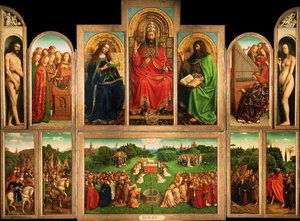
Completed in 1432 by the visionary Jan van Eyck (and likely begun by his brother Hubert), the Ghent Altarpiece transcends the definition of a painting; it is a monumental achievement that irrevocably altered the course of European art. Housed within St Bavo's Cathedral in Ghent, Belgium, this polyptych – a multi-paneled artwork – marks a pivotal shift from the stylized conventions of Medieval art towards the burgeoning realism and humanist ideals of the Renaissance.
The Altarpiece unfolds as a complex theological narrative across twelve panels (when fully open), central to Christian belief. The lower register presents the Adoration of the Mystic Lamb, a powerful symbol of Christ’s sacrifice. A diverse congregation – representing all levels of medieval society – gathers before the lamb, bathed in ethereal light. Above this earthly scene, the upper register ascends into the divine realm, showcasing God (often interpreted as Christ the King or God the Father), the Virgin Mary, and John the Baptist enthroned amongst angels and flanked by Adam and Eve.
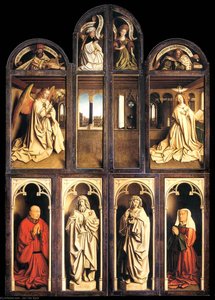
Remarkably versatile, the Altarpiece transforms when closed. The exterior panels reveal scenes from the Annunciation and portray Saints John the Baptist and John the Evangelist, offering a distinct devotional experience. This duality allows for varied contemplation depending on liturgical seasons or special occasions.
Van Eyck’s groundbreaking use of oil paint is arguably the Altarpiece's most significant contribution to art history. He didn’t *invent* oil painting, but he perfected it, employing multiple translucent glazes – layers of thin, transparent color – to achieve an unparalleled luminosity and depth. This technique allowed for a level of detail previously unimaginable: individual hairs, intricate fabric folds, the subtle play of light on skin – all rendered with breathtaking precision.
The Altarpiece exemplifies the Early Netherlandish style, characterized by meticulous naturalism, hyper-realistic textures, and symbolic use of objects. Every element, from architectural details to seemingly mundane items, carries meaning, inviting viewers into a world where the sacred and secular intertwine.
The Ghent Altarpiece is saturated with symbolism. The lamb embodies Christ’s sacrificial role, while the surrounding figures represent humanity united in faith. The inclusion of detailed landscapes and everyday objects grounds the religious narrative in a relatable reality, making it accessible to all who viewed it. Consider the meticulous depiction of flowers – each species carrying its own symbolic weight – or the architectural elements that mirror contemporary Gothic structures.
The sheer scale and technical brilliance of the Altarpiece evoke a profound sense of awe and reverence. Its realism draws viewers into the scene, fostering a personal connection with the figures and their stories. Beyond its artistic innovation, the work reflects the intellectual and spiritual climate of 15th-century Europe – a period of transition, religious fervor, and burgeoning humanism.
While owning the original is beyond reach for most, high-quality reproductions offer an opportunity to experience the beauty and significance of this masterpiece.
The Ghent Altarpiece remains a testament to the power of art to transcend time and culture – a masterpiece that continues to inspire contemplation on faith, humanity, and the divine. It is not merely an image; it’s a window into another world.
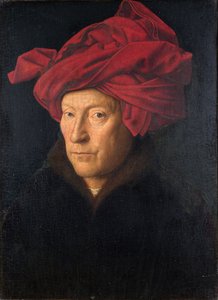
1390 - 1441 , Netherlands

Explore the rich history & enduring techniques of oil painting on canvas. Discover the science behind its longevity, conservation practices, and contemporary relevance. Expert insights for art enthusiasts.

Explore the captivating world of Hieronymus Bosch! Delve into the symbolism, religious context, and artistic innovation of this Netherlandish master with BuyPopArt's expert analysis. Discover his iconic paintings & lasting influence.

Journey into the Early Netherlandish Renaissance! Explore 10 iconic paintings by Jan van Eyck, Rogier van der Weyden & more. Discover stunning detail, symbolism, and oil painting techniques. Find museum-quality art reproductions for your home at BuyPopArt.com.

Journey through 10 legendary 'Oil on Panel' masterpieces by Van Eyck, Bosch & Bruegel. Explore the stories behind these iconic Renaissance & Baroque paintings and find museum-quality art reproductions to elevate your home decor. Discover all masterpieces on !
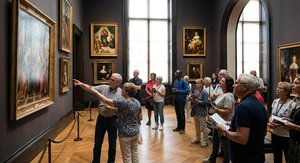
Journey through Alte Pinakothek's 25 most iconic paintings! Explore masterpieces by Dürer, Rembrandt & Rubens. Discover art history, techniques & find museum-quality reproductions for your home at BuyPopArt.com.


Stay updated with the latest art news, exclusive offers, and decoration ideas.
Tell us about your project and our art experts will provide you with 3 personalized art suggestions.
Let Us Curate 3 Options Just for You - Free!


 Buy print
 Send
Send Share
Share
 Details

 Download
 Similars
 X-Ray
X-Ray Diaporama
 Read More
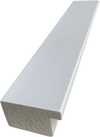
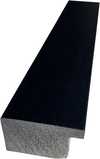
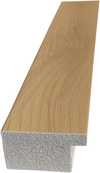
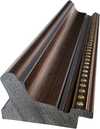
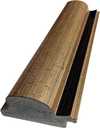
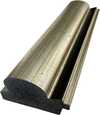
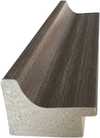
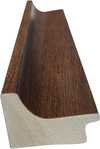
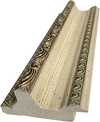
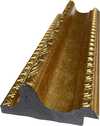
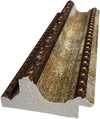
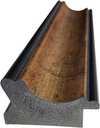
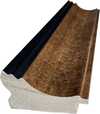
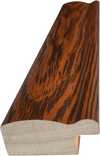
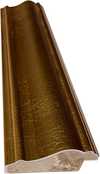
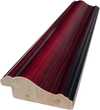
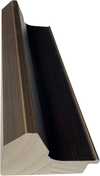
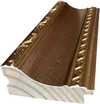
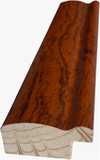
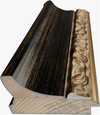
 Glass option is only available in size under 110 CM