x


Hand-painted oil on canvas in your size and frame, made to order by our artists.
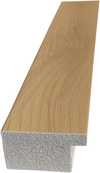
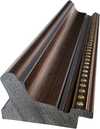
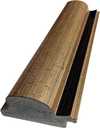
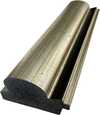
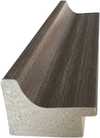
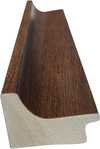
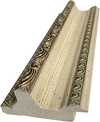
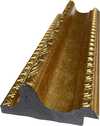
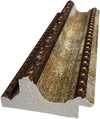
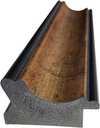
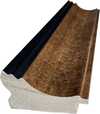
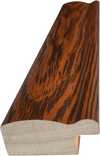


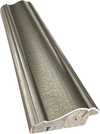
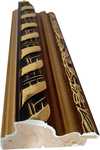
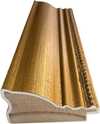
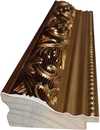
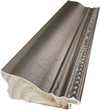
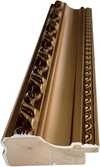
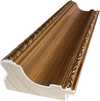
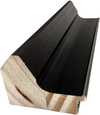

Pick from our preset sizes that match the artwork's original proportions.

You may enter your own dimensions to fit a specific frame or space. If your selected size does not match the original image's proportions, we will either crop the artwork or extend the painting with additional hand-painted elements. A digital mockup will be sent for your approval before production begins.
Please note that the on-screen preview does not reflect the actual cropping or extension. Only the mockup will accurately show the final composition.
While custom sizes are available, we recommend selecting a dimension from the predefined list to preserve the original proportions.
Worldwide Delivery () in 3/4 weeks instead of standard 5 weeks. (16 July). No compromise on quality.


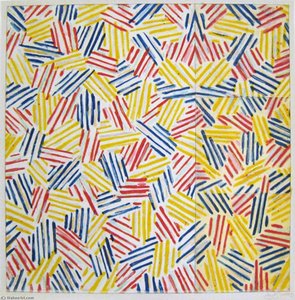
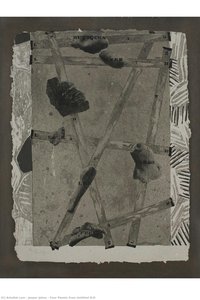
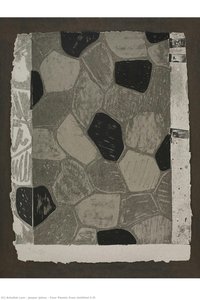
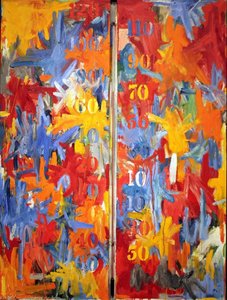
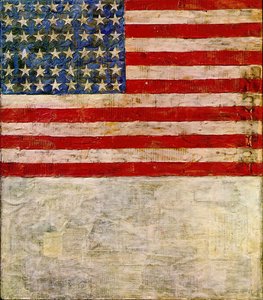
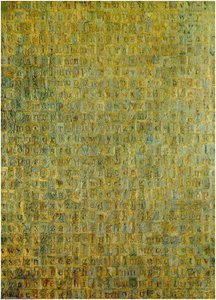
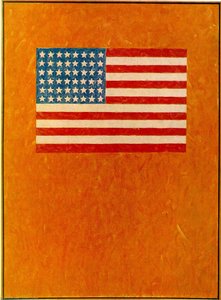
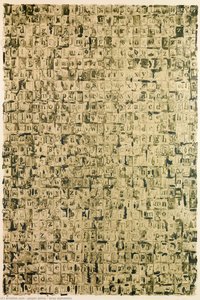
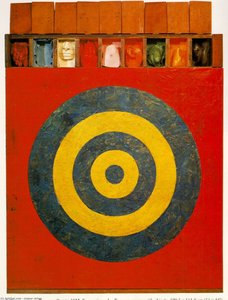
Four Panels from Untitled B/D
Reproduction Size
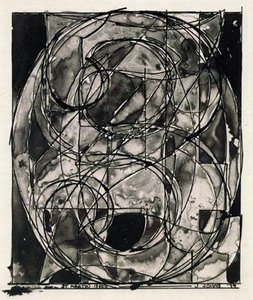
Jasper Johns' *Four Panels from Untitled B/D*, a work that exists primarily through photographic documentation, offers a compelling glimpse into the artist’s uniquely layered approach to representation. Born in Augusta, Georgia, in 1930, Johns’ artistic journey was profoundly shaped by a childhood marked by familial upheaval and a subsequent relocation to New York City – experiences that subtly informed his lifelong preoccupation with themes of identity, memory, and the constructed nature of reality. This particular series, created around 1962-63, exemplifies his signature style: a deliberate blurring of the lines between representation and abstraction, where familiar objects are rendered with an unsettling ambiguity, prompting viewers to actively engage in the process of interpretation.
The panels themselves present a captivating visual vocabulary. Dominating the surfaces are meticulously placed rocks – some smooth and rounded, others jagged and imposing – interspersed with diamond shapes, their sharp angles creating a dynamic counterpoint to the organic forms below. This juxtaposition immediately establishes a tension between the natural and the geometric, echoing themes prevalent throughout Johns’ oeuvre. The monochrome palette—a carefully considered choice of black and white—further amplifies this effect, stripping away any potential distraction from the inherent complexities of the composition. It's not merely a depiction of rocks; it’s an exploration of their essence, their texture, and their relationship to the broader visual field.
Johns’ work is deeply rooted in American iconography, drawing heavily on everyday objects – flags, targets, calendars, letters—and transforming them into potent symbols. *Four Panels from Untitled B/D* isn't simply a collection of rocks and diamonds; it functions as a visual cipher, inviting speculation about their meaning. The rocks themselves have been interpreted through various lenses: some see them as representations of the American landscape, others as reminders of the artist’s Southern roots, while still others suggest a connection to the primal forces of nature. The diamonds, with their association with precision and order, introduce an element of artificiality, hinting at the constructedness of these symbols.
The repetition across the four panels is crucial. It creates a sense of rhythm and reinforces the idea that Johns is not simply depicting objects but rather exploring their inherent qualities through repeated visual gestures. This methodical approach mirrors his earlier work with maps and flags, where he meticulously replicated images to examine their underlying structure and meaning. The act of duplication becomes almost meditative, inviting contemplation on the nature of perception and representation.
While the photographs provide a static view, understanding Johns’ technique offers further insight into the work's power. He often employed a layering process, applying paint in thin washes followed by more substantial layers of color. This build-up creates a tactile surface that invites touch—a characteristic that is beautifully replicated in our hand-painted reproductions. The subtle variations in tone and texture within each panel suggest a deliberate resistance to smooth, seamless surfaces – a rejection of the idealized representation favored by earlier generations of artists. Johns’ process was one of constant revision, of returning to the canvas repeatedly to refine his vision. This iterative approach is evident in the careful placement of each element, suggesting a deep engagement with the work's evolution.
*Four Panels from Untitled B/D* isn’t a painting that offers easy answers; it’s an invitation to engage in a sustained dialogue. It speaks to the anxieties of post-war America, grappling with questions of identity, memory, and the relationship between reality and representation. The work's enduring appeal lies in its ability to evoke a sense of unease and curiosity, prompting viewers to confront their own assumptions about art and the world around them. A BuyPopArt reproduction allows you to bring this complex and rewarding artwork into your home or office, experiencing firsthand the subtle nuances and captivating symbolism that define Jasper Johns’ masterful vision.

1930 - , United States of America
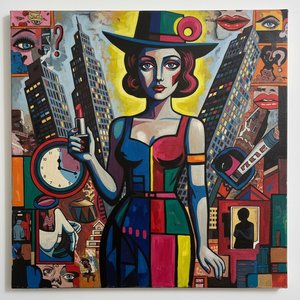
Explore the captivating world of Richard Lindner, a pivotal Pop Art figure. Discover his unique style, symbolic depth, collecting insights & lasting influence on contemporary art. Expert analysis for collectors.
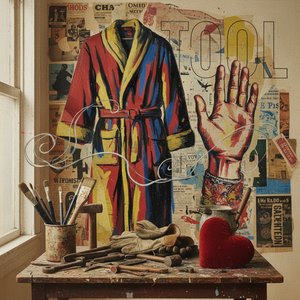
Explore the captivating world of Jim Dine – Pop Art pioneer & master of autobiographical expression. Discover his iconic tools, robes, and hearts. Expert insights for art collectors.
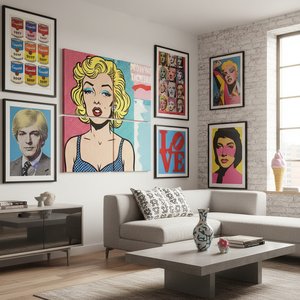
Explore 10 defining Pop Art masterpieces – from Warhol’s iconic Marilyn to Lichtenstein's bold dots. Discover the stories behind these revolutionary artworks & find museum-quality reproductions for your home at .

Explore the captivating world of Georgia O'Keeffe! Discover her groundbreaking flower paintings, New Mexico landscapes & lasting impact on American Modernism. Expert analysis and insights.

Explore the captivating world of Abbott Handerson Thayer, a pioneer of American realism & Symbolism. Discover his ethereal angel paintings, innovative techniques, and lasting influence on art history. Learn about his scientific pursuits & Transcendentalist spirit.


Stay updated with the latest art news, exclusive offers, and decoration ideas.
Tell us about your project and our art experts will provide you with 3 personalized art suggestions.
Let Us Curate 3 Options Just for You - Free!


 Buy print
 Send
Send Share
Share
 Details

 Download
 Similars
 X-Ray
X-Ray Diaporama

 Read More

 Glass option is only available in size under 110 CM