x

Hand-painted oil on canvas in your size and frame, made to order by our artists.
Pick from our preset sizes that match the artwork's original proportions.

You may enter your own dimensions to fit a specific frame or space. If your selected size does not match the original image's proportions, we will either crop the artwork or extend the painting with additional hand-painted elements. A digital mockup will be sent for your approval before production begins.
Please note that the on-screen preview does not reflect the actual cropping or extension. Only the mockup will accurately show the final composition.
While custom sizes are available, we recommend selecting a dimension from the predefined list to preserve the original proportions.
Worldwide Delivery () in 3/4 weeks instead of standard 5 weeks. (16 July). No compromise on quality.


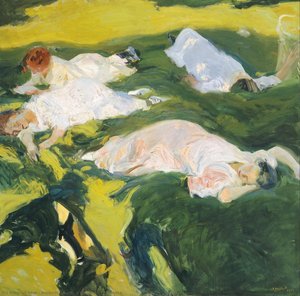
La Siesta
Reproduction Size
Joaquín Sorolla y Bastida (1863 – 1923) stands as one of Spain's most celebrated Impressionists, a painter whose canvases capture the essence of Mediterranean life with unparalleled luminosity and immediacy. His oeuvre is defined by an obsession with capturing fleeting moments of sunlight filtering through foliage—a preoccupation that finds its purest expression in “La Siesta,” completed in 1911 during his family’s summer retreat to San Sebastián. More than just a picturesque depiction of leisure, this painting delves into the psychological landscape of domestic tranquility and embodies Sorolla's signature artistic vision.
Sorolla meticulously portrays a scene of serene repose – four women reclining on the grass beneath the shade of olive trees. These figures represent Sorolla’s wife, María Mercè Farreras, their two daughters, Julieta and Cristiana, and a cousin. The composition eschews grand vistas or dramatic narratives; instead, it focuses intently on the intimate details of everyday life. This deliberate choice reflects Sorolla's belief that true beauty resides in capturing the simplest pleasures and emotions—a sentiment powerfully conveyed through the languid postures of the women and their quiet contemplation.
Sorolla’s masterful technique is instantly recognizable. He employs rapid, loose brushstrokes – a hallmark of Impressionism – to achieve an astonishing effect of light and color. The artist abandons traditional perspective, flattening the canvas to heighten the sense of presence and immediacy. Notice particularly the vibrant emerald green of the grass, rendered with shimmering pigments that seem to vibrate with warmth. Sorolla’s palette is dominated by shades of yellow and ochre, mirroring the golden glow of the afternoon sun. These colors aren't merely descriptive; they are emotionally charged, evoking feelings of comfort, serenity, and nostalgia for summer days gone by. The artist skillfully blends color onto color, creating a hazy atmosphere that softens edges and enhances the overall impression of softness and tranquility.
“La Siesta” emerges from a pivotal period in Spanish history – the Belle Époque—a time marked by optimism, artistic experimentation, and burgeoning social reform. Sorolla’s work aligns perfectly with the broader Impressionist movement's rejection of academic conventions and embrace of subjective experience. He was influenced by artists like Claude Monet and Pierre-Auguste Renoir, who similarly sought to capture the fleeting beauty of nature and human emotion. However, Sorolla distinguishes himself through his unwavering commitment to portraying Spanish life authentically—a conscious effort to celebrate the nation’s cultural heritage while simultaneously engaging with new artistic ideas.
The pervasive luminescence of “La Siesta” is laden with symbolic significance. Light, for Sorolla, represents not merely illumination but also vitality and spiritual transcendence—themes central to his artistic philosophy. The dappled sunlight filtering through the olive trees symbolizes respite from labor and responsibility, fostering a state of blissful inactivity. Furthermore, the reclining posture of the women embodies vulnerability and acceptance – an invitation to pause, reflect, and savor the beauty of the present moment. Sorolla’s deliberate exclusion of the horizon reinforces this sense of enclosure and intimacy, drawing the viewer into the tranquil heart of the scene.
Ultimately, “La Siesta” succeeds in transporting the viewer to a place of profound peace and contentment. Sorolla's masterful rendering of light and color evokes feelings of warmth, nostalgia, and joy—a testament to his ability to capture not just what he saw but also what he felt. It’s a painting that speaks to our deepest desires for simplicity, beauty, and connection with nature—a timeless masterpiece that continues to resonate with audiences today.
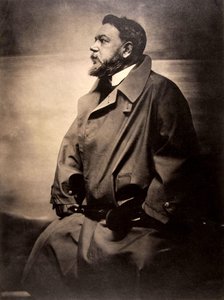
1863 - 1923 , Spain

Explore the history of serene landscapes in art! Discover renowned artists like Monet & Munch, movements from Impressionism to Tonalism, and find the perfect piece to bring tranquility to your home. Expert insights at BuyPopArt.

Explore the captivating portraits of Sir John Watson Gordon, a leading Scottish master. Discover his evolution from neoclassical style to atmospheric Tonalism and influence on 19th-century British art. Learn about his iconic sitters & legacy.

Explore the captivating world of Manuel Benedito Vives, a celebrated Spanish painter influenced by Sorolla. Discover his masterful portraits, luminous landscapes & enduring legacy – a favorite of the Spanish Royal Family. Art collectors will appreciate this in-depth study.

Explore the luminous world of Joaquín Sorolla, Spanish master of Impressionism. Discover his life, techniques & legacy – a guide for art collectors and enthusiasts. Invest in timeless beauty.

Create a timeless family legacy with custom portraits! BuyPopArt connects you with skilled artists for heirloom-quality paintings & prints. Explore styles, commission your unique artwork today.


Stay updated with the latest art news, exclusive offers, and decoration ideas.
Tell us about your project and our art experts will provide you with 3 personalized art suggestions.
Let Us Curate 3 Options Just for You - Free!


 Buy print
 Send
Send Share
Share
 Details

 Download
 Similars
 X-Ray
X-Ray Diaporama


 Read More
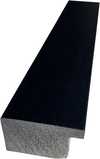
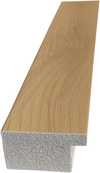
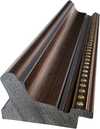
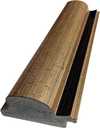
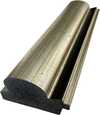
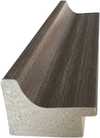
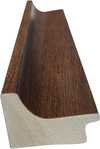
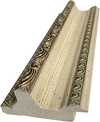
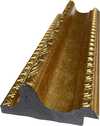
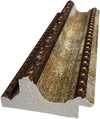
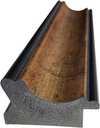
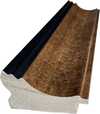
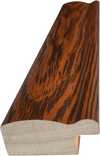
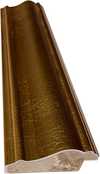
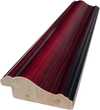
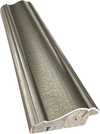
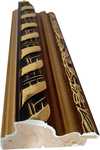
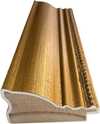
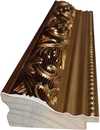
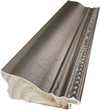
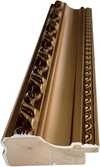
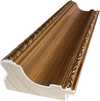
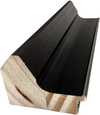
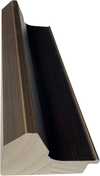
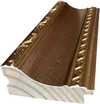
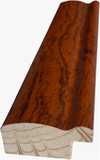
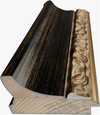
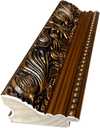

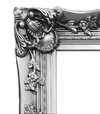
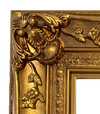
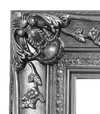
 Glass option is only available in size under 110 CM