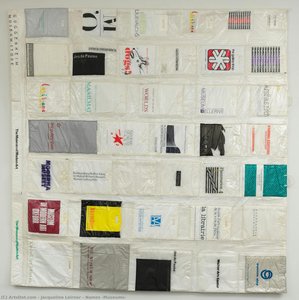
2015
2015 260.0 x 101.0 cm
Purchase a high-resolution, enhanced digital image, far superior to the online preview.
Each file is meticulously prepared by our in-house specialists using advanced tools and expert manual retouching. We ensure every image has exceptional clarity, precise color accuracy, and fine detail.
The final file is delivered via email within 72 hours, optimized for immediate use in professional, editorial, and print environments. This is the same quality trusted by top-tier design studios, publishers, and galleries.
Download a high-resolution file for personal display, printing, and creative projects. ( Buy Print Buy Hand Made Painting)
When you choose BuyPopArt.com, you're not just getting an image - you're receiving a professionally enhanced digital artwork, crafted with precision and backed by a satisfaction guarantee. Here's everything that comes with your order, automatically:

Your high-resolution digital image file will be emailed to you within 72 hours of ordering - ready for immediate use.

Your artwork is professionally optimized using advanced AI tools and manual editing, ensuring maximum detail, clarity, and color accuracy.

Accidentally deleted or lost your file? No worries - we'll resend it to you anytime, free of charge.

Enjoy your artwork instantly with zero customs, duties, or delivery fees - digital downloads are always tax-free.

We ensure your digital image reflects the original colors as closely as possible using professional tools and color management.

If you're not satisfied with your digital image, we'll revise it or refund 100% within 60 days - no questions asked.

Not satisfied? Get a full refund within 60 days of receiving your digital file - no questions asked.

Buy 3 images, save 10% - Buy 5, save 15% - Buy 10+, save 20%. Great for creative projects, galleries, and agencies.
Born in Tianjin, China, in 1958, Li Jin’s artistic journey is a fascinating exploration of pleasure, intimacy, and the quiet melancholy that often underlies even the most extravagant scenes. Initially trained in traditional Chinese painting at the Tianjin Academy of Fine Arts, he quickly diverged from established norms, forging a unique style characterized by bold brushstrokes, vibrant colors, and an unapologetic embrace of earthly indulgence – a departure that has cemented his place as one of contemporary China’s most distinctive artists.
Li Jin's early work already hinted at the themes that would dominate his career: banquets overflowing with food, figures engaged in sensual encounters, and a pervasive sense of both delight and detachment. This fascination wasn’t born from a simple desire for hedonism; rather, it stemmed from a deep engagement with Chinese literati painting traditions, particularly their depictions of feasts and gatherings as microcosms of human experience. However, Li Jin injected a distinctly modern sensibility into this inherited framework, imbuing his scenes with a subtle critique of societal expectations and the potential emptiness within seemingly joyous occasions. His art isn’t merely about depicting pleasure; it's about examining its nature, its fleeting quality, and the solitude that can accompany even the most lavish celebrations.
Central to Li Jin’s artistic vision is his recurring use of food as a primary subject. Far from being merely decorative elements, dishes – braised pork heads, steamed fish, delicate flower stalks – become active participants in the narrative, engaging in a silent dialogue with the figures surrounding them. This choice isn't arbitrary; it reflects Li Jin’s deep interest in the materiality of life and the everyday rituals that define human existence. As art critic Lang Shaojun observed, “Delicious food must be placed in beautiful vessels,” highlighting the artist’s meticulous attention to detail and his appreciation for the aesthetic qualities of ordinary objects.
Furthermore, Li Jin's depictions of intimacy are rarely overtly explicit. Instead, he favors a more suggestive approach, capturing moments of connection – or disconnection – with remarkable subtlety. Figures often appear awkwardly positioned, lost in thought, or seemingly oblivious to the sensual encounters unfolding around them. This creates a sense of unease and invites viewers to contemplate the complexities of human relationships and the elusive nature of desire. His work is frequently described as “worldly,” blending traditional literati aesthetics with a modern sensibility that embraces both beauty and melancholy.
Li Jin’s artistic development has been shaped by a confluence of influences, primarily rooted in Chinese painting traditions but also drawing inspiration from broader contemporary movements. The influence of traditional literati painting is evident in his meticulous brushwork, vibrant color palettes, and the incorporation of classical motifs. However, he departs significantly from established conventions through his choice of subject matter – often eschewing idealized landscapes or heroic figures in favor of scenes of everyday life and sensual encounters.
Contemporary artistic movements, particularly postmodernism, have also played a crucial role in shaping Li Jin’s approach. He embraces a “bad painting” aesthetic—one that deliberately rejects conventional notions of beauty and skill—as a means of expressing a more profound concept: the artist's own life and experiences. As Yi Ying noted, "Bad painting does not aim to seek a form but expresses a certain concept," suggesting that Li Jin’s work is less about technical mastery and more about conveying an underlying emotional or philosophical message. His willingness to challenge established artistic norms has solidified his reputation as a bold and innovative artist.
Among Li Jin's most celebrated works are “Banquet,” a monumental ink painting that showcases his technical skill and thematic preoccupations, and "Impressions of Bali," a colorful ink on paper piece depicting scenes from his travels abroad. These pieces exemplify his ability to seamlessly blend traditional Chinese techniques with contemporary sensibilities, creating visually arresting and emotionally resonant images.
Li Jin’s art has been exhibited extensively throughout China and internationally, including at the Today Art Museum in Beijing. His work is held in various museums and collections worldwide, reflecting its growing recognition as a significant contribution to contemporary Chinese art. His legacy continues to inspire new generations of artists who are exploring themes of pleasure, intimacy, and the complexities of human experience through innovative artistic approaches.
For more information on Li Jin’s work, please visit BuyPopArt.com or explore resources such as CAFA Art and Wikipedia.

1958 - , China


Stay updated with the latest art news, exclusive offers, and decoration ideas.
Tell us about your project and our art experts will provide you with 3 personalized art suggestions.
Let Us Curate 3 Options Just for You - Free!


 Preview
 Send
Send Share
Share
 Details

 Download
 Similars
 X-Ray
X-Ray Diaporama
 Read More