x


 Oil On CanvasWallArtContemporary Realism
 1965Modern
 91.0 x 91.0 cm
 Museo Thyssen-Bornemisza
Hand-painted oil on canvas in your size and frame, made to order by our artists.
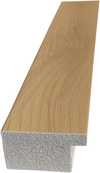
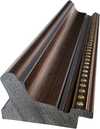
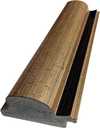
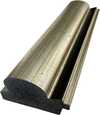
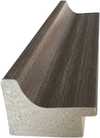
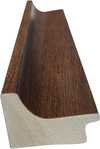
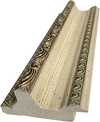
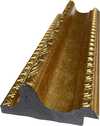
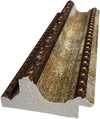
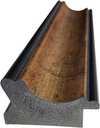
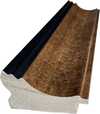
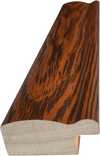
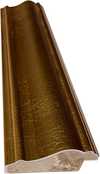
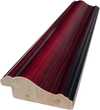
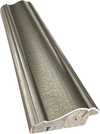
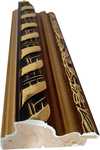
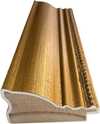
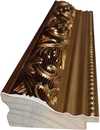
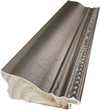
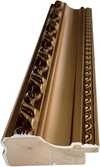
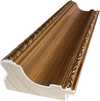
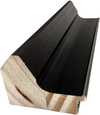
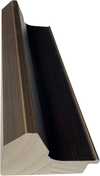
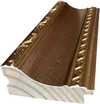
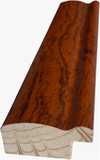
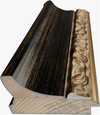
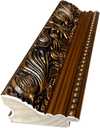
Pick from our preset sizes that match the artwork's original proportions.

You may enter your own dimensions to fit a specific frame or space. If your selected size does not match the original image's proportions, we will either crop the artwork or extend the painting with additional hand-painted elements. A digital mockup will be sent for your approval before production begins.
Please note that the on-screen preview does not reflect the actual cropping or extension. Only the mockup will accurately show the final composition.
While custom sizes are available, we recommend selecting a dimension from the predefined list to preserve the original proportions.
Worldwide Delivery () in 3/4 weeks instead of standard 5 weeks. (16 July). No compromise on quality.


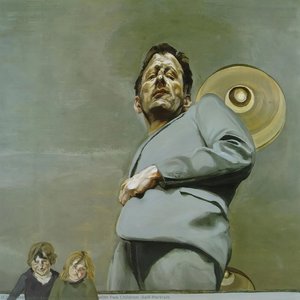
Reflection with Two Children (Self-Portrait)
Reproduction Size
Created in 1965, this powerful painting by Lucian Freud offers a deeply introspective exploration of identity, familial relationships, and the weight of existence. More than just a portrait, it’s a psychological study rendered with unflinching honesty and masterful technique.
The artwork centers around a monumental figure – the artist himself – dominating the canvas space. He is positioned slightly off-center, gazing upwards with an expression that conveys both contemplation and unease. Two smaller figures of young girls flank him, appearing almost as afterthoughts or reflections within the composition. This deliberate imbalance in scale immediately establishes a dynamic tension, hinting at power dynamics and emotional distance. The setting is minimal – a muted olive-green background punctuated by a large, golden circular form that could be interpreted as a mirror, a light source, or a symbol of unattainable ideals.
Lucian Freud was renowned for his intensely personal and often unsettling portraits. This work exemplifies his signature style: a departure from idealized representation towards an unflinching realism that prioritizes emotional impact over precise detail. The thick impasto, visible brushstrokes, and restrained color palette contribute to the painting’s tactile quality and somber mood. While rooted in observation, Freud's technique transcends mere depiction; it delves into the psychological state of his subjects.
Emerging during a period of significant social and artistic change, this artwork reflects a broader trend towards introspection and emotional honesty within 20th-century art. Freud’s work often draws comparisons to that of Francis Bacon and other artists exploring the complexities of the human condition. However, his unique approach – characterized by its intense focus on the physicality and psychological weight of his subjects – firmly establishes him as a distinct voice in modern painting.
The symbolism within this piece is open to interpretation, adding layers of depth and intrigue. The golden circle could represent vanity, reflection, or an elusive sense of hope. The artist’s crossed arms suggest defensiveness or introspection, while the solemn expressions of the children hint at shared sadness or emotional detachment. Ultimately, the painting evokes a powerful sense of isolation, burden, and the complexities inherent in familial bonds.
This artwork is more than just an aesthetic object; it’s a profound statement about the human experience. Its imposing scale and emotional intensity make it a captivating focal point for any collection or interior space. A high-quality reproduction allows art lovers and designers to bring Freud's powerful vision into their homes, adding a touch of intellectual depth and artistic sophistication.

1922 - 2011 , Germany

Explore the fascinating evolution of portraiture from classical masterpieces to digital art! Discover symbolism, techniques & societal impact. Expert insights for collectors & enthusiasts at BuyPopArt.

Explore the captivating world of Baroque art! Discover its history, defining characteristics, and lasting influence on painting, sculpture & design. Expert insights for collectors.

Explore the profound psychological depth of Lucian Freud's portraits. Discover his unique realism, artistic evolution, and lasting influence on modern art. A collector’s guide to a master.

Commission a timeless custom portrait from skilled artists at BuyPopArt. Preserve your family's legacy with museum-quality artwork & expert guidance. Explore the enduring value of fine art.

Explore 10 defining masterpieces of Contemporary Realism! Discover Lucian Freud, Chuck Close & more. Uncover stories behind iconic paintings and find museum-quality art reproductions to elevate your home decor on .


Stay updated with the latest art news, exclusive offers, and decoration ideas.
Tell us about your project and our art experts will provide you with 3 personalized art suggestions.
Let Us Curate 3 Options Just for You - Free!


 Buy print
 Send
Send Share
Share
 Details

 Download
 Similars
 X-Ray
X-Ray Diaporama
 Read More
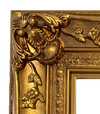
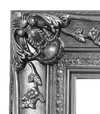
 Glass option is only available in size under 110 CM