

 Acrylic On CanvasWallArtAbstract Expressionism
 1947Modern
 101.0 x 138.0 cm
Purchase a high-resolution, enhanced digital image, far superior to the online preview.
Each file is meticulously prepared by our in-house specialists using advanced tools and expert manual retouching. We ensure every image has exceptional clarity, precise color accuracy, and fine detail.
The final file is delivered via email within 72 hours, optimized for immediate use in professional, editorial, and print environments. This is the same quality trusted by top-tier design studios, publishers, and galleries.
Download a high-resolution file for personal display, printing, and creative projects. ( Buy Print Buy Hand Made Painting)
When you choose BuyPopArt.com, you're not just getting an image - you're receiving a professionally enhanced digital artwork, crafted with precision and backed by a satisfaction guarantee. Here's everything that comes with your order, automatically:

Your high-resolution digital image file will be emailed to you within 72 hours of ordering - ready for immediate use.

Your artwork is professionally optimized using advanced AI tools and manual editing, ensuring maximum detail, clarity, and color accuracy.

Accidentally deleted or lost your file? No worries - we'll resend it to you anytime, free of charge.

Enjoy your artwork instantly with zero customs, duties, or delivery fees - digital downloads are always tax-free.

We ensure your digital image reflects the original colors as closely as possible using professional tools and color management.

If you're not satisfied with your digital image, we'll revise it or refund 100% within 60 days - no questions asked.

Not satisfied? Get a full refund within 60 days of receiving your digital file - no questions asked.

Buy 3 images, save 10% - Buy 5, save 15% - Buy 10+, save 20%. Great for creative projects, galleries, and agencies.
Mark Rothko’s ‘No. 3,’ painted in 1947, is more than just a canvas filled with color; it’s a profound exploration of human emotion, born from the artist’s own deeply personal experiences. Measuring 101 x 138 cm, this large-scale work exemplifies Rothko's signature style – monumental blocks of saturated color layered to create an intense and almost overwhelming sense of atmosphere. The painting immediately draws the viewer in with its central circular form, a deep blue backdrop pulsating with an inner light, while surrounding shapes—including stylized bird figures—add layers of complexity and contemplation. This piece represents a pivotal moment in Rothko’s artistic development, solidifying his commitment to expressing universal human experiences through abstract forms.
Understanding ‘No. 3’ requires acknowledging the formative influences shaping Rothko's worldview. Born in Dvinsk (now Daugavpils), Latvia, in 1903, he carried within him a legacy of displacement and hardship. His family’s emigration to Portland, Oregon, in 1913, following his father’s death, introduced him to a new culture while simultaneously exposing him to the profound grief of loss – a theme that would become central to his work. Rothko's early life was marked by instability and intellectual ferment, fostering a sensitivity to suffering and a preoccupation with existential questions. This background is palpable in ‘No. 3,’ where the seemingly simple arrangement of color evokes a sense of unease and introspection, mirroring the artist’s own struggles with mortality and meaning.
Rothko's technique was meticulously developed over years of experimentation. He employed a layering method, applying thin washes of oil paint that were allowed to bleed into one another, creating subtle gradations and shimmering effects. The dominant blues are not uniform; they shift in tone and intensity, suggesting depth and movement. The bird figures, rendered with simple geometric forms, serve as anchors within the swirling color fields, drawing the eye across the canvas. Their placement—one in the upper left corner, another in the lower right—creates a dynamic tension, preventing the composition from feeling static or overly contemplative. This careful orchestration of color and form is key to the painting’s emotional impact.
'No. 3' isn’t about literal representation; it’s about conveying profound emotions. The circular forms, often interpreted as representing the cosmos or the human soul, evoke a sense of both vastness and vulnerability. The birds, frequently recurring motifs in Rothko’s work, can be seen as symbols of hope, freedom, or perhaps even mourning – echoing his own experiences with loss and displacement. Ultimately, the painting invites viewers to confront their own anxieties about existence, mortality, and the search for solace within a chaotic world. It's a testament to Rothko's ability to tap into universal human emotions through the power of color and form.
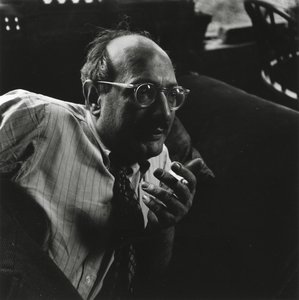
1903 - 1970 , Latvia


Stay updated with the latest art news, exclusive offers, and decoration ideas.
Tell us about your project and our art experts will provide you with 3 personalized art suggestions.
Let Us Curate 3 Options Just for You - Free!


 Preview
 Send
Send Share
Share
 Details

 Download
 Similars
 X-Ray
X-Ray Diaporama
 Read More