


Purchase a high-resolution, enhanced digital image, far superior to the online preview.
Each file is meticulously prepared by our in-house specialists using advanced tools and expert manual retouching. We ensure every image has exceptional clarity, precise color accuracy, and fine detail.
The final file is delivered via email within 72 hours, optimized for immediate use in professional, editorial, and print environments. This is the same quality trusted by top-tier design studios, publishers, and galleries.
Download a high-resolution file for personal display, printing, and creative projects. ( Switch to Print Switch to hand made Painting)
When you choose BuyPopArt.com, you're not just getting an image - you're receiving a professionally enhanced digital artwork, crafted with precision and backed by a satisfaction guarantee. Here's everything that comes with your order, automatically:

Your high-resolution digital image file will be emailed to you within 72 hours of ordering - ready for immediate use.

Your artwork is professionally optimized using advanced AI tools and manual editing, ensuring maximum detail, clarity, and color accuracy.

Accidentally deleted or lost your file? No worries - we'll resend it to you anytime, free of charge.

Enjoy your artwork instantly with zero customs, duties, or delivery fees - digital downloads are always tax-free.

We ensure your digital image reflects the original colors as closely as possible using professional tools and color management.

If you're not satisfied with your digital image, we'll revise it or refund 100% within 60 days - no questions asked.

Not satisfied? Get a full refund within 60 days of receiving your digital file - no questions asked.

Buy 3 images, save 10% - Buy 5, save 15% - Buy 10+, save 20%. Great for creative projects, galleries, and agencies.
Mark Rothko's "Untitled 48" isn’t a painting that demands immediate, literal interpretation. Instead, it invites a prolonged engagement, a quiet contemplation of color and form as they wrestle with fundamental human experiences. Born in 1903 amidst the anxieties of a Jewish family in Latvia—a landscape marked by displacement and political unrest—Rothko carried within him a profound sensitivity to suffering, a theme that would become a recurring motif throughout his career. This early environment instilled a deep awareness of the complexities of existence, shaping his artistic vision long before he began exploring the luminous fields of color that would define his mature style. “Untitled 48” feels like a distillation of this inner world—a visual echo of the emotional turbulence and searching spirit that fueled his creative process.
The work exists as a study, or perhaps an early iteration, of Rothko’s later color field paintings. It's characterized by loose, gestural lines and washes of layered paint, creating a dynamic composition that eschews traditional notions of perspective and focal points. The canvas isn’t dominated by a single image; rather, it presents a dense visual field—a chaotic yet strangely harmonious arrangement of amorphous shapes and muted colors. The horizontal band at the bottom acts as a grounding element, dividing the space while simultaneously suggesting an underlying structure, punctuated by vertical forms that emerge from its base.
Rothko’s palette in “Untitled 48” is deliberately restrained—a symphony of grays, browns, creams, and subtle pinks. These earthy tones are punctuated by flashes of red and blue, creating a delicate balance between warmth and coolness. The application of paint itself is crucial to understanding the work's character. It appears remarkably quick and spontaneous, as if Rothko were driven by an urgent impulse rather than meticulously planned composition. The texture is layered and uneven—a testament to the use of washes and scribbled marks that contribute to a sense of roughness and immediacy. The technique suggests a deliberate rejection of polished surfaces, favoring instead a raw, tactile quality.
Notice how Rothko doesn’t attempt to define the shapes within these color fields; they remain ambiguous, almost dissolving into one another. This lack of precision is intentional—Rothko sought to evoke an emotional response rather than create representational images. The suggestion of facial features – fleeting glimpses of eyes and mouths – adds a layer of psychological complexity, hinting at suppressed emotions or hidden identities. These fragments are not portraits in the traditional sense but rather symbolic representations of the human condition.
“Untitled 48” is often interpreted as an exploration of anxiety, tension, and perhaps even psychological turmoil. The chaotic lines and fragmented forms resonate with a sense of inner conflict—a feeling that Rothko himself experienced throughout his life. His early experiences in Latvia, marked by displacement and loss, undoubtedly informed this emotional landscape. The work can be seen as a visual manifestation of the existential questions he grappled with: mortality, trauma, and the persistent search for meaning in a seemingly indifferent universe. It’s not a comfortable painting; it demands engagement and invites viewers to confront their own anxieties and uncertainties.
Rothko's early work, like "Untitled 48," predates his signature color field paintings, leaning towards Expressionism with its emphasis on gestural marks and subjective expression. The piece’s influence can also be seen in the work of Cindy Sherman, particularly her “Untitled Film Stills” series, which shares a similar interest in exploring identity through fragmented imagery and theatrical presentation. The painting's enduring power lies in its ability to tap into universal human emotions—a testament to Rothko’s profound understanding of the complexities of the inner world.
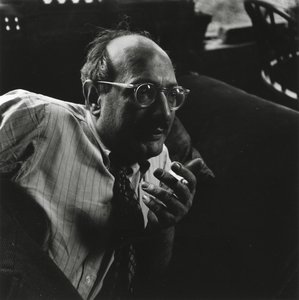
1903 - 1970 , Latvia


Stay updated with the latest art news, exclusive offers, and decoration ideas.
Tell us about your project and our art experts will provide you with 3 personalized art suggestions.
Let Us Curate 3 Options Just for You - Free!


 Preview
 Send
Send Share
Share
 Details

 Download
 Similars
 X-Ray
X-Ray Diaporama

 Read More