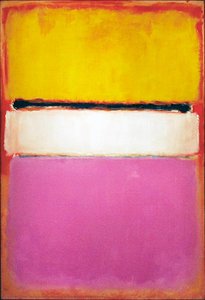
Acrylic On CanvasWallArtColor Field Painting
 1947Late Medieval
 98.0 x 92.0 cm
Museum-quality giclée or canvas print with fast production and flexible finish options. ( Buy Hand Made Painting Buy Image)





























Pick from our preset sizes that match the artwork's original proportions.

You may enter your own dimensions to fit a specific frame or space. If your selected size does not match the original image's proportions, we will either crop the artwork or extend the image with a mirrored or solid-fill edge. A digital mockup will be sent for your approval before production begins.
Please note that the on-screen preview does not reflect the actual cropping or extension. Only the mockup will accurately show the final composition.
While custom sizes are available, we recommend selecting a dimension from the predefined list to preserve the original proportions.
Worldwide Delivery () in 2 weeks instead of standard 4/5 weeks. (13 August)


Untitled
Reproduction Size
Mark Rothko's 1947 painting, simply titled “Untitled,” isn’t an invitation to narrative; it’s a plunge into pure feeling. Born in Dvinsk (now Daugavpils), Latvia, amidst the anxieties of a Jewish family navigating the turbulent landscape of Eastern Europe, Rothko carried within him a profound sensitivity to human suffering – a theme that would become a cornerstone of his artistic exploration. This early experience, coupled with the upheaval of immigration to Portland, Oregon, instilled in him a lifelong quest for understanding beyond the literal, seeking instead to capture the essence of existential questions through color and form. “Untitled” embodies this journey, representing not a depiction of something external but an internal landscape rendered in pigment.
The painting’s vertical format immediately draws the viewer into its space, creating a sense of both intimacy and expansiveness. The composition is dominated by clusters of geometric forms – rectangles, blocks, and hazy planes – arranged with deliberate asymmetry. These aren't sharply defined shapes; instead, they possess blurred and feathered edges, dissolving at the boundaries and merging seamlessly with one another. This technique, characteristic of Rothko’s mature style, avoids precise outlines, encouraging the eye to wander and lose itself within the interplay of color.
The color palette is deliberately restrained yet profoundly evocative. Muted tones – laurel green, coral orange, sky blue, gray, pewter black, and a delicate raspberry pink – dominate the canvas, creating an atmosphere of quiet contemplation. Rothko wasn’t interested in vibrant spectacle; he sought to evoke mood and emotion through subtle shifts in hue and value. Notice how the greens and blues subtly recede into the background, while the oranges and pinks advance, drawing the eye deeper into the painting's heart. The use of these specific colors – each carrying its own associations with nature, spirituality, and even melancholy – contributes to the work’s overall sense of introspection.
The layering of these colors is crucial. Rothko applied thin washes of paint, allowing them to bleed into one another, creating a hazy, atmospheric effect. This technique, known as “all-over painting,” eliminates any focal point, distributing the viewer's attention evenly across the entire surface. It’s an invitation to surrender to the experience of color itself, rather than searching for a specific subject or meaning.
While Rothko famously resisted assigning definitive interpretations to his paintings, “Untitled” undeniably resonates with themes of loss, longing, and the search for transcendence. The blurred forms can be seen as representing the fragmented nature of memory and experience, while the muted colors evoke a sense of sadness or melancholy. Some scholars have linked the painting’s color scheme to Rothko's own personal struggles with depression and his fascination with Eastern Orthodox spirituality – a tradition that emphasized contemplation and the pursuit of divine union through meditative practices.
Ultimately, “Untitled” is not about representing something concrete; it’s about creating an emotional experience. It’s a painting that invites viewers to engage in a silent dialogue with their own inner selves, prompting reflection on fundamental questions about life, death, and the human condition. The beauty of Rothko's work lies in its ability to bypass intellectual analysis and speak directly to our emotions, offering a moment of profound stillness in an increasingly chaotic world.
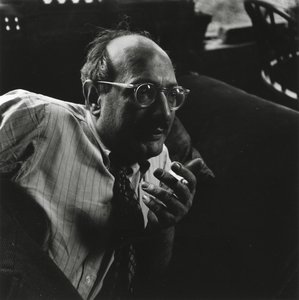
1903 - 1970 , Latvia

Master the high-impact world of contemporary abstraction. Discover how bold colors, textures, and modern movements like Abstract Expressionism can transform your space with premium, high-energy art curated for the design-conscious professional.

Master the power of Color Field painting. Discover how bold, immersive color transforms modern spaces through this expert guide to one of art's most impactful movements. Elevate your interior design with high-impact, contemporary abstract aesthetics.

Discover the power of Neo-Abstract art. Explore how bold geometric forms and high-impact visual energy are redefining modern design. Learn to curate sophisticated, high-energy spaces with the latest trends in contemporary abstraction and structural color.


Stay updated with the latest art news, exclusive offers, and decoration ideas.
Tell us about your project and our art experts will provide you with 3 personalized art suggestions.
Let Us Curate 3 Options Just for You - Free!


 Preview
 Send
Send Share
Share
 Details

 Download
 Similars
 X-Ray
X-Ray Diaporama
 Read More







 Glass option is only available in size under 110 CM