


 Acrylic On CanvasWallArtEarly Renaissance
 1426
1426 83.0 x 63.0 cm
 Museo Nazionale di Capodimonte
Museum-quality giclée or canvas print with fast production and flexible finish options. ( Switch to hand made Painting Switch to Image)

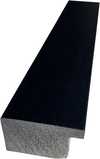
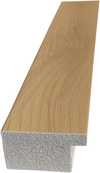
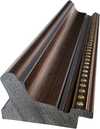
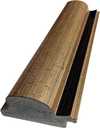
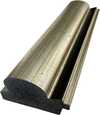
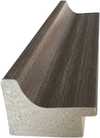
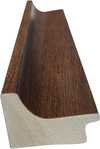
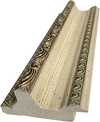
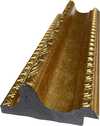
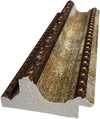
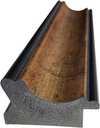
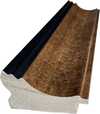

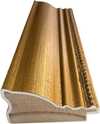
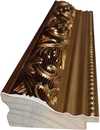
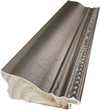
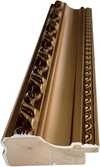
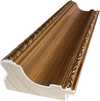
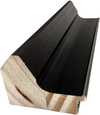
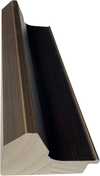
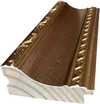
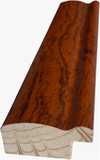
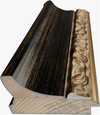
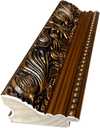
Pick from our preset sizes that match the artwork's original proportions.

You may enter your own dimensions to fit a specific frame or space. If your selected size does not match the original image's proportions, we will either crop the artwork or extend the image with a mirrored or solid-fill edge. A digital mockup will be sent for your approval before production begins.
Please note that the on-screen preview does not reflect the actual cropping or extension. Only the mockup will accurately show the final composition.
While custom sizes are available, we recommend selecting a dimension from the predefined list to preserve the original proportions.
Worldwide Delivery () in 2 weeks instead of standard 4/5 weeks. (31 July)


Crucifixion
Reproduction Size
Masaccio’s Crucifixion, painted in 1426 during his tragically brief career, isn’t merely a depiction of a pivotal biblical event; it’s a foundational moment in Western art. Born in San Giovanni Valdarno and dying at the young age of 28, Masaccio possessed an uncanny ability to capture not just the physical form but also the profound emotional weight of his subjects – a gift that immediately established him as a revolutionary figure. This particular version, housed within the Santa Maria Novella church in Florence, stands as a testament to his innovative approach and a window into the burgeoning Renaissance spirit.
The scene is stark yet profoundly moving. Jesus, centrally positioned on the cross, isn’t rendered with idealized beauty but with a raw, almost brutal realism. His body, slumped beneath the weight of the instrument of torture, speaks volumes about suffering and sacrifice. Masaccio masterfully employs *chiaroscuro*, the dramatic interplay of light and shadow – a technique borrowed from early Italian tempera painting – to sculpt the figure’s form, emphasizing every muscle, vein, and ripple of skin. The deep shadows surrounding Jesus contrast sharply with the brighter areas, drawing our eye directly to his face, etched with an expression of profound agony yet also hinting at acceptance.
What truly distinguishes this work is Masaccio’s groundbreaking use of linear perspective. He doesn't simply depict the scene; he creates a convincing illusion of depth, drawing the viewer into the heart of the drama. The receding lines of the architecture – the arches and columns that frame the crucifixion – converge towards a vanishing point on the horizon, establishing a clear spatial relationship between the viewer and the scene. This wasn’t merely an aesthetic choice; it was a deliberate attempt to represent the world as we perceive it, a cornerstone of Renaissance art.
The composition itself is carefully orchestrated. The figures surrounding Jesus – the grieving women, the watchful angels, and the Roman soldiers – are arranged in a dynamic pyramid shape, drawing our attention to the central figure while simultaneously conveying the breadth of human reaction to his death. Masaccio’s use of color is restrained, favoring earthy tones that reinforce the somber mood. The muted palette allows the drama of the scene to take center stage, free from distracting ornamentation.
Beyond its technical brilliance, Crucifixion is rich in symbolic meaning. The cross itself represents sacrifice, redemption, and the ultimate triumph over death. The weeping women embody grief and mourning, while the angels symbolize divine compassion and intervention. The Roman soldiers, often depicted as indifferent or even cruel, represent earthly power and injustice. Masaccio subtly weaves these elements together to create a complex meditation on faith, suffering, and hope.
Furthermore, the painting’s placement within the church context is significant. It served not only as a visual representation of Christ's sacrifice but also as a powerful reminder of the Christian message for its worshippers. The work’s emotional intensity and realistic depiction resonated deeply with viewers, solidifying Masaccio’s reputation as a master of his craft and establishing him as a pivotal figure in the development of Renaissance art.
Masaccio's Crucifixion remains one of the most celebrated works of the Early Renaissance, admired for its technical innovation, emotional depth, and profound spiritual resonance. Today, high-quality reproductions offer a remarkable opportunity to experience this masterpiece firsthand, bringing its power and beauty into any setting. Whether adorning a grand salon or a smaller study, a reproduction of Masaccio’s Crucifixion serves as a constant reminder of the enduring legacy of one of art history's most influential figures.
Tommaso di Ser Giovanni di Simone, better known as Masaccio (meaning "clumsy Tom"), was a pivotal figure in the Early Italian Renaissance. Born on December 21, 1401, in San Giovanni Valdarno, Italy, and dying tragically young in 1428, his brief career revolutionized painting with groundbreaking realism, perspective, and chiaroscuro (the use of strong contrasts between light and dark). Despite his short life, Masaccio’s impact on subsequent generations of artists was profound, establishing a new standard for naturalism and influencing the course of Western art.
Masaccio’s impact on the course of Western art is immeasurable, despite his tragically short career. His innovations in perspective, chiaroscuro, and naturalism fundamentally altered how artists depicted the world. He effectively bridged the gap between Medieval artistic conventions and the emerging ideals of the Renaissance.
Masaccio’s legacy endures as one of the most important and influential artists in history. He stands as a pivotal figure in the transition from Medieval to Renaissance art, forever changing the way we perceive and represent the world through painting. His brief but brilliant career serves as a testament to the power of innovation and the enduring impact of artistic genius.

1401 - 1429 , Italy

Journey through Botticelli's world with 25 iconic Renaissance paintings. Explore 'Birth of Venus,' 'Primavera,' and more—stories, techniques & timeless beauty. Find museum-quality art reproductions for your home at BuyPopArt.com.
Journey through Alte Pinakothek's 25 most iconic paintings! Explore masterpieces by Dürer, Rembrandt & Rubens. Discover art history, techniques & find museum-quality reproductions for your home at BuyPopArt.com.
Journey through 25 iconic artworks at the Metropolitan Museum of Art! Explore Van Gogh, Monet, Rembrandt & more. Discover art history, inspiring stories, and museum-quality reproductions to elevate your home decor. Explore the full collection on BuyPopArt.com.

Journey through the Early Renaissance! Explore 10 iconic paintings by Botticelli, Leonardo da Vinci & Michelangelo. Discover their stories, techniques & lasting impact. Find museum-quality art reproductions and elevate your home decor with .
Explore 25 breathtaking artworks by Giotto di Bondone, a Renaissance master. Discover the stories behind iconic frescoes & paintings like the Scrovegni Chapel cycle. Find museum-quality Giotto reproductions and elevate your home decor with BuyPopArt.com.


Stay updated with the latest art news, exclusive offers, and decoration ideas.
Tell us about your project and our art experts will provide you with 3 personalized art suggestions.
Let Us Curate 3 Options Just for You - Free!


 Preview
 Send
Send Share
Share
 Details

 Download
 Similars
 X-Ray
X-Ray Diaporama
 Read More
 Glass option is only available in size under 110 CM


