x


Hand-painted oil on canvas in your size and frame, made to order by our artists.



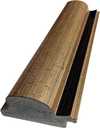

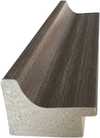
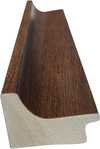
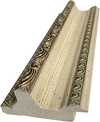

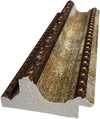
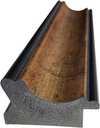
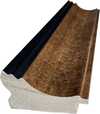
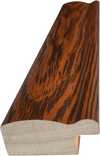
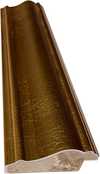


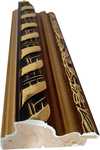

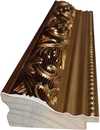
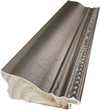
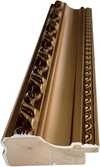
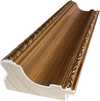
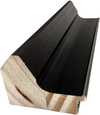
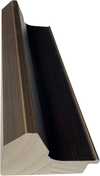
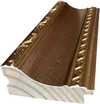
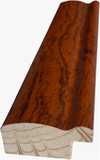
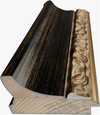

Pick from our preset sizes that match the artwork's original proportions.

You may enter your own dimensions to fit a specific frame or space. If your selected size does not match the original image's proportions, we will either crop the artwork or extend the painting with additional hand-painted elements. A digital mockup will be sent for your approval before production begins.
Please note that the on-screen preview does not reflect the actual cropping or extension. Only the mockup will accurately show the final composition.
While custom sizes are available, we recommend selecting a dimension from the predefined list to preserve the original proportions.
Worldwide Delivery () in 3/4 weeks instead of standard 5 weeks. (16 July). No compromise on quality.


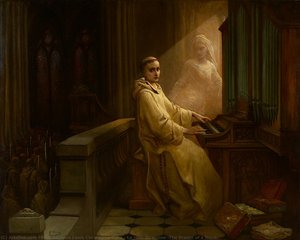
Le reve du moine (The Dream of a Monk)
Reproduction Size
The artwork, “Le Reve du Moine” (“The Dream of a Monk”), is more than just an image; it’s a meticulously crafted distillation of Romanticism's preoccupation with spirituality and the sublime. Executed in 1880 by Gustave Doré—a titan of illustration whose influence continues to resonate today—this oil painting on canvas transports viewers into a dimly lit Gothic church interior, capturing a moment suspended between reality and ethereal vision. It’s a piece that demands contemplation, inviting us to ponder the complexities of faith and the elusive nature of dreams themselves.
Doré's masterful command of chiaroscuro—the dramatic interplay of light and shadow—dominates the composition. A single shaft of sunlight pierces through stained glass windows, illuminating a young monk seated at an organ console. This central figure is rendered with remarkable realism, capturing subtle nuances of expression that convey both solemnity and introspection. However, it’s not merely the monk who commands attention; hovering beside him is a spectral woman playing the instrument—a ghostly presence that adds to the painting's unsettling beauty. The artist employs meticulous brushstrokes to build up textures – from the rough stone walls of the cathedral to the velvety folds of the monk’s robe – creating an immersive experience for the eye. Doré’s technique reflects the Romantic impulse to depict emotion and psychological depth, prioritizing atmosphere over precise anatomical detail.
“Le Reve du Moine” emerged during a pivotal moment in European art history—the waning years of Romanticism. Artists like Doré sought to transcend mere representation, aiming instead to evoke profound feelings and capture the grandeur of imagination. Influenced by thinkers such as Coleridge and Wordsworth, Doré’s work reflects a fascination with folklore, mythology, and the supernatural – themes that would become hallmarks of the era. The painting draws inspiration from Dante's Inferno, mirroring its exploration of darkness and torment alongside glimpses of divine grace. This juxtaposition underscores Romanticism’s belief in the power of art to convey spiritual truths beyond rational comprehension.
The painting is rife with symbolic significance. The stark contrast between light and shadow represents a fundamental duality—the struggle between good and evil, reason and emotion. The monk embodies piety and contemplation, while the woman’s apparition symbolizes the subconscious realm of dreams – a space where logic yields to intuition and where spiritual visions can transcend earthly limitations. The cathedral itself serves as a visual metaphor for transcendence, suggesting that the monk's inner journey seeks solace in the sacred spaces of faith. Doré skillfully utilizes perspective—drawing viewers into the darkened interior—to heighten the sense of drama and mystery.
Ultimately, “Le Reve du Moine” succeeds in conveying a palpable emotional resonance. The painting’s melancholic atmosphere evokes feelings of solitude, longing, and perhaps even apprehension. Yet, amidst the darkness, there is also an undeniable beauty—a luminous quality that captures the sublime—suggesting that even in moments of spiritual doubt, glimpses of divine grace can persist. Doré's masterful use of color—primarily warm browns, golds, and muted reds—contributes to this evocative effect, creating a visual experience that lingers long after viewing. It’s a testament to Doré’s ability to transform observation into profound artistic expression.

1832 - 1883 , France

Fall in love with art! Explore 10 iconic romantic paintings – from Monet & Bouguereau to Fragonard. Discover the stories behind these masterpieces and find museum-quality reproductions for your home decor at .

Explore the captivating world of Romantic art! Discover its history, psychological depth, key artists like Friedrich & Goya, and find timeless pieces for your collection at BuyPopArt.com.

Explore the captivating world of Gustave Doré, master of Romantic realism & iconic illustrator. Discover his dramatic wood engravings, paintings, and sculptures – a legacy shaping art history. Learn more at BuyPopArt.

Explore the short but impactful career of Richard Parkes Bonington, a pivotal figure bridging British Romanticism & French plein air painting. Discover his luminous landscapes and lasting influence on Delacroix & beyond.

Fall in love with art! Explore 10 iconic romantic paintings – from Renaissance classics to Impressionist masterpieces. Discover the stories behind artists like Monet & Klimt, and find museum-quality reproductions for your home at .


Stay updated with the latest art news, exclusive offers, and decoration ideas.
Tell us about your project and our art experts will provide you with 3 personalized art suggestions.
Let Us Curate 3 Options Just for You - Free!


 Buy print
 Send
Send Share
Share
 Details

 Download
 Similars
 X-Ray
X-Ray Diaporama


 Read More

 Glass option is only available in size under 110 CM