x

Hand-painted oil on canvas in your size and frame, made to order by our artists.
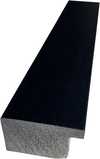
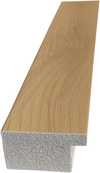
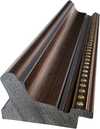
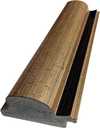
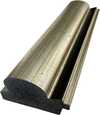
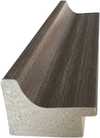
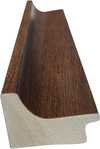
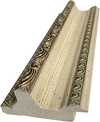
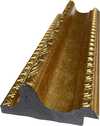
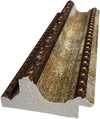
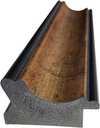
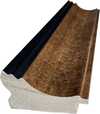
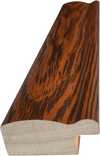
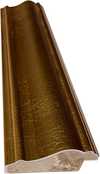
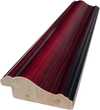
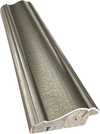
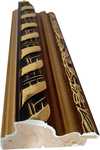
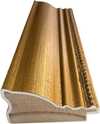
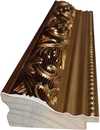
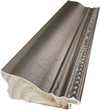
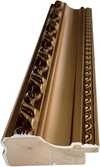
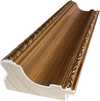
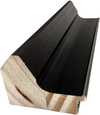
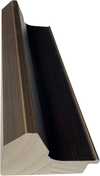
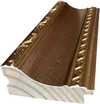
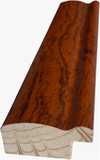
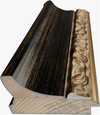
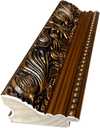
Pick from our preset sizes that match the artwork's original proportions.

You may enter your own dimensions to fit a specific frame or space. If your selected size does not match the original image's proportions, we will either crop the artwork or extend the painting with additional hand-painted elements. A digital mockup will be sent for your approval before production begins.
Please note that the on-screen preview does not reflect the actual cropping or extension. Only the mockup will accurately show the final composition.
While custom sizes are available, we recommend selecting a dimension from the predefined list to preserve the original proportions.
Worldwide Delivery () in 3/4 weeks instead of standard 5 weeks. (16 July). No compromise on quality.


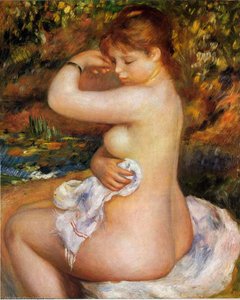
After the Bath
Reproduction Size
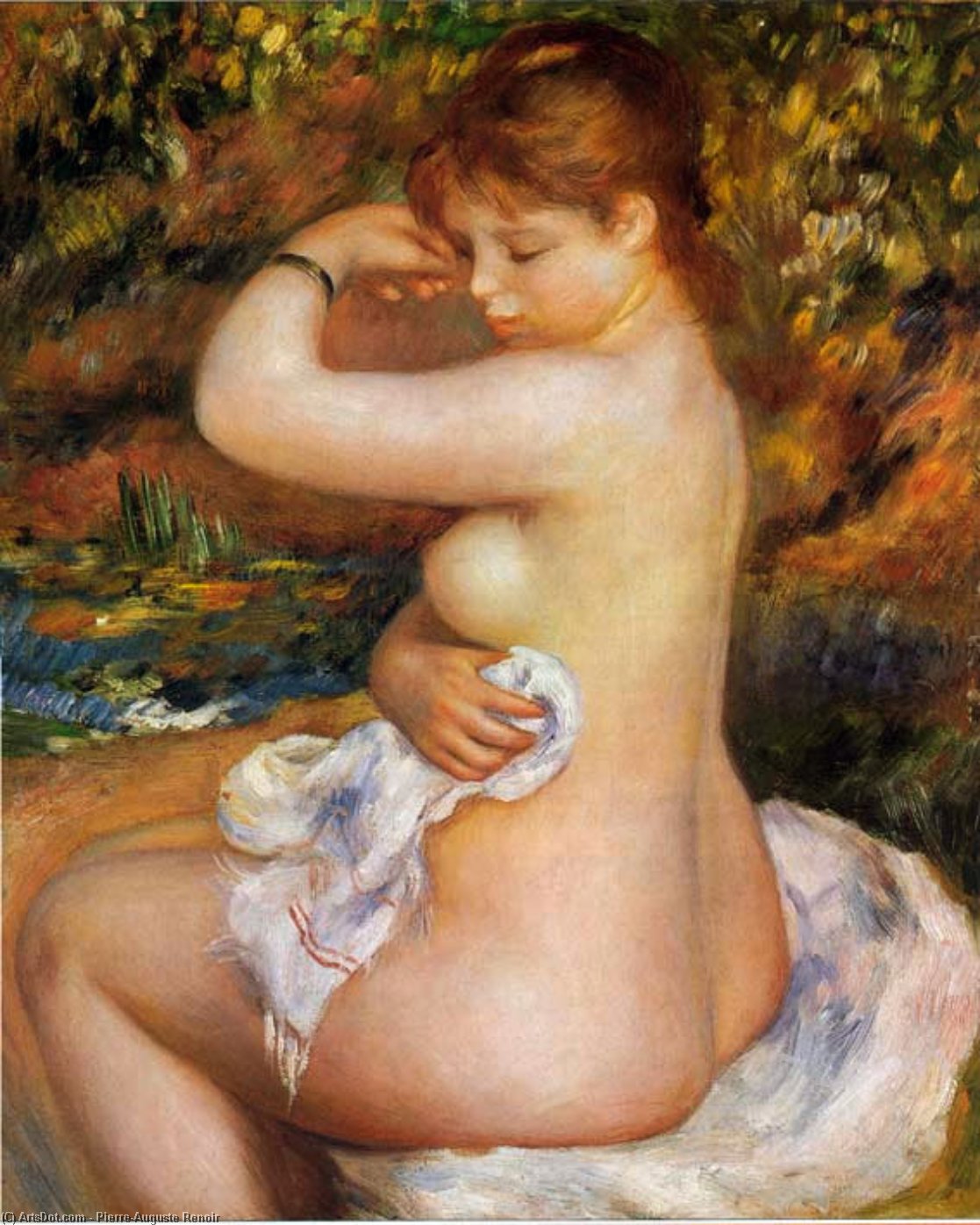
Pierre-Auguste Renoir’s “After the Bath” (1888) is a quintessential example of Impressionist painting, capturing a fleeting moment of private contemplation and delicate sensuality. This captivating work depicts a nude female figure seated in a softly lit, natural setting, radiating an aura of peaceful vulnerability. More than a mere depiction of the human form, it’s an exploration of light, color, and emotion that continues to resonate with viewers today.
Renoir masterfully employs the hallmarks of Impressionism in this piece. Loose, broken brushstrokes create a shimmering effect on the skin and foliage, conveying the transient quality of light and atmosphere. The absence of harsh lines or stark contrasts contributes to the overall softness and dreamlike quality of the scene. He prioritizes capturing the *impression* of a moment rather than precise detail, allowing the viewer’s eye to blend colors and complete forms. This technique is characteristic of Renoir's dedication to portraying the beauty found in everyday life.
Created during a period of significant artistic innovation, “After the Bath” reflects the Impressionists’ rejection of academic conventions. They moved away from historical or mythological subjects, instead focusing on contemporary scenes and personal experiences. Renoir, alongside Monet, Degas, and others, sought to capture the effects of light and color as they perceived them in nature. His work builds upon the traditions of artists like Rubens and Watteau, celebrating beauty and sensuality with a distinctly modern approach.
The painting’s symbolism is subtle yet profound. The woman's relaxed posture and closed eyes suggest introspection and a peaceful detachment from the outside world. The surrounding natural environment – trees and water – can be interpreted as symbols of fertility, growth, and connection to nature. The delicate bracelet adorning her wrist hints at societal context without being overtly defining. Ultimately, “After the Bath” evokes feelings of tranquility, vulnerability, and quiet beauty. It’s a celebration of feminine form not through overt sexuality, but through an honest portrayal of inner peace.
“After the Bath” is more than just a beautiful painting; it's a window into a specific moment in art history and a testament to Renoir’s artistic genius. Its warm color palette – peaches, pinks, oranges, and browns – lends itself beautifully to various interior design schemes, adding a touch of elegance and sophistication to any space. Whether you are an avid art collector, an interior designer seeking inspiration, or simply someone who appreciates timeless beauty, this artwork is sure to captivate and inspire for generations to come. A high-quality reproduction allows you to experience the emotional impact and artistic brilliance of Renoir’s masterpiece in your own home.

1841 - 1919 , France
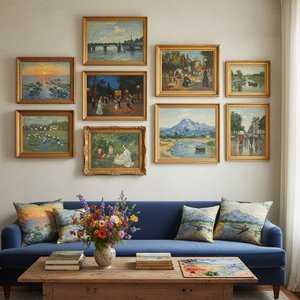
Journey into the heart of Impressionism! Explore 10 masterpieces by Monet, Renoir & Degas that revolutionized landscape art. Discover their stories, techniques & find museum-quality reproductions to elevate your home decor on BuyPopArt.com.
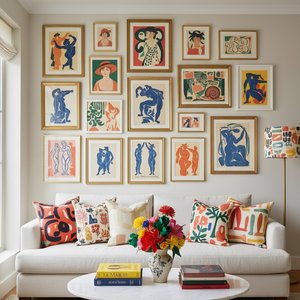
Journey through Henri Matisse's 25 most iconic paintings! Explore Fauvism, vibrant colors & the stories behind masterpieces like 'The Dance'. Find museum-quality art reproductions and curated decor ideas to elevate your space. Discover all masterpieces on BuyPopArt.com.

Explore the captivating world of Impressionism! Discover the techniques, artists (Monet, Renoir, Degas), and enduring legacy of this revolutionary art movement. Expert insights for collectors & enthusiasts.
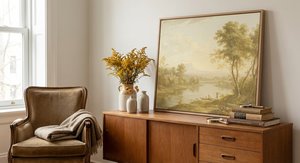
Explore 10 famous paintings bathed in 'Pale Goldenrod' tones! From Van Gogh’s sunflowers to Monet’s haystacks, discover the stories & artistry behind these iconic artworks. Find museum-quality reproductions and curated decor ideas at BuyPopArt.com.

Explore the life & work of Thomas Barker of Bath, a key figure in 19th-century English Romanticism. Discover his Parisian success, iconic paintings like 'The Bride of Death', and lasting artistic legacy. Learn more at BuyPopArt.


Stay updated with the latest art news, exclusive offers, and decoration ideas.
Tell us about your project and our art experts will provide you with 3 personalized art suggestions.
Let Us Curate 3 Options Just for You - Free!


 Buy print
 Send
Send Share
Share
 Details

 Download
 Similars
 X-Ray
X-Ray Diaporama

 Read More
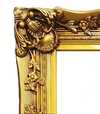
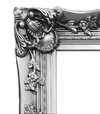
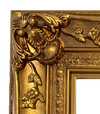
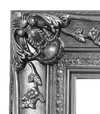
 Glass option is only available in size under 110 CM