x


Hand-painted oil on canvas in your size and frame, made to order by our artists.
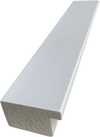
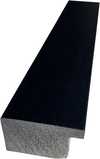
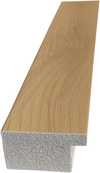
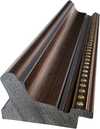
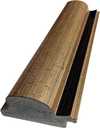
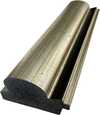
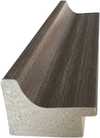
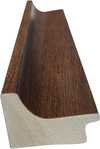
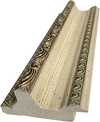
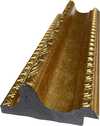
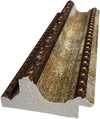
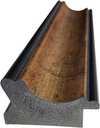
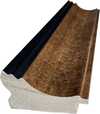
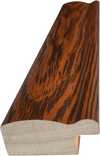
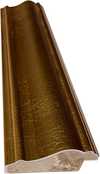
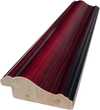
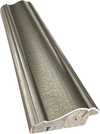
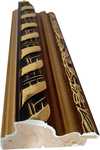
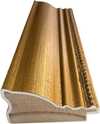
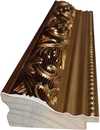
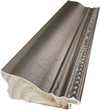
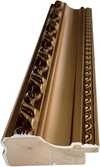
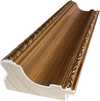
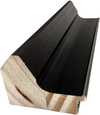
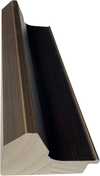
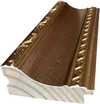
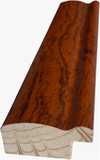
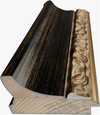
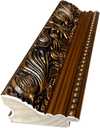
Pick from our preset sizes that match the artwork's original proportions.

You may enter your own dimensions to fit a specific frame or space. If your selected size does not match the original image's proportions, we will either crop the artwork or extend the painting with additional hand-painted elements. A digital mockup will be sent for your approval before production begins.
Please note that the on-screen preview does not reflect the actual cropping or extension. Only the mockup will accurately show the final composition.
While custom sizes are available, we recommend selecting a dimension from the predefined list to preserve the original proportions.
Worldwide Delivery () in 3/4 weeks instead of standard 5 weeks. (16 July). No compromise on quality.


The Meeting
Reproduction Size
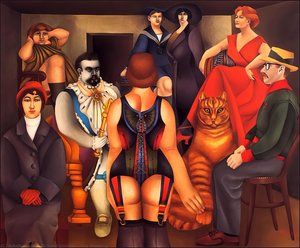
Richard Lindner's "The Meeting" is not merely a depiction of social interaction; it’s an immersion into a world poised between reality and dream, a vibrant tableau that captures the anxieties and fascinations of mid-20th century modernity. The canvas teems with nine figures arranged in a deliberate semi-circle, their individual styles and expressions hinting at complex narratives woven within this intimate yet strangely detached gathering. Lindner doesn’t offer a straightforward scene; instead, he presents a carefully constructed stage where identity, social roles, and perhaps even a touch of the surreal collide. The inclusion of a regal cat in the foreground is particularly striking – an enigmatic presence that adds layers of symbolism, suggesting themes of authority, independence, or a subtle undercurrent of mysticism. It’s a scene that invites prolonged contemplation, prompting viewers to decipher the relationships and unspoken stories held within this dynamic composition.
Lindner's artistic voice is immediately recognizable in “The Meeting” through his bold, expressive style. He eschews traditional realism for a more emotionally charged approach, employing exaggerated forms, vibrant colors, and stylized features that echo the influences of both modernism and expressionism. Strong outlines define each figure, lending them a graphic quality while simultaneously emphasizing their individuality. The color palette—a rich interplay of reds, blues, blacks, and earthy tones—is far from arbitrary; it’s carefully orchestrated to enhance visual dynamism and underscore the unique personality of each participant in this gathering. The technique suggests a masterful handling of oil or acrylic paints on canvas, resulting in a smooth yet textured finish that accentuates both the stylized aesthetic and the depth within the scene. It's a style that feels simultaneously familiar and unsettling, drawing the viewer into its captivating world.
Created during a period of significant social and cultural upheaval, “The Meeting” reflects the anxieties and energies of the mid-20th century. Lindner, having experienced displacement as a German artist fleeing Europe before World War II, brought a unique perspective to his work. His art blends European modernist traditions with American pop sensibilities, creating a visual language that is both contemporary and timeless. The painting’s stylistic choices—the bold colors, simplified shapes, and expressive forms—align it with movements like expressionism and early pop art, yet Lindner's distinct voice prevents easy categorization. His work often explored themes of alienation and the complexities of modern life, and “The Meeting” serves as a powerful example of his ability to capture these sentiments on canvas. The painting’s presence in prominent collections, including that of the Museum of Modern Art in New York, underscores its enduring artistic significance.
Beyond its aesthetic qualities, “The Meeting” resonates with a profound emotional depth. The stylized figures and vibrant palette evoke a spectrum of responses – from quiet contemplation to a sense of underlying tension. The exaggerated forms and contrasting colors amplify the expressive impact, inviting viewers to interpret the relationships and narratives at play. Is this a scene of camaraderie or veiled conflict? Are these individuals connected by shared purpose or simply existing in proximity? The regal cat, with its air of aloof authority, adds another layer of intrigue – perhaps representing an unseen power dynamic or a symbol of independence within the group. Ultimately, “The Meeting” is not about providing answers; it’s about prompting questions and inviting viewers to engage with the artwork on a personal level. It's a piece that promises to elevate any interior space, sparking conversation and inspiring contemplation for years to come.
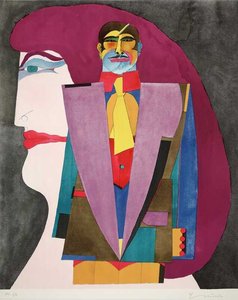
1901 - 1978 , Germany

Explore the powerful world of Figurative Expressionism with BuyPopArt. Discover key artists like Kirchner & Beckmann, understand its emotional depth, and learn how to collect this influential 20th-century art movement.

Explore the powerful world of Expressionism! Discover key artists like Kirchner & Nolde, understand its emotional impact, and learn about this revolutionary art movement's lasting legacy. Expert insights for collectors & enthusiasts.

Explore the captivating interplay of Surrealism & Expressionism in 20th-century art. Discover key artists like Masson and Pollock, automatism techniques, and their lasting influence. Expert insights for art enthusiasts.

Explore the revolutionary world of Expressionism with . Discover key artists like Kirchner & Nolde, understand its emotional impact, and learn how to collect this influential art movement.
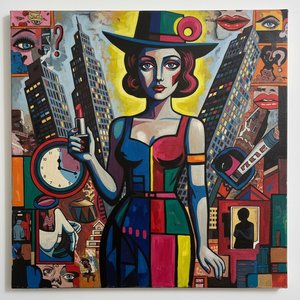
Explore the captivating world of Richard Lindner, a pivotal Pop Art figure. Discover his unique style, symbolic depth, collecting insights & lasting influence on contemporary art. Expert analysis for collectors.


Stay updated with the latest art news, exclusive offers, and decoration ideas.
Tell us about your project and our art experts will provide you with 3 personalized art suggestions.
Let Us Curate 3 Options Just for You - Free!


 Buy print
 Send
Send Share
Share
 Details

 Download
 Similars
 X-Ray
X-Ray Diaporama

 Read More


 Glass option is only available in size under 110 CM