x


 Acrylic On CanvasWallArtPop Art
 1962
1962 123.0 x 173.0 cm
Hand-painted oil on canvas in your size and frame, made to order by our artists.
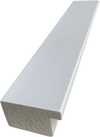
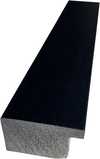
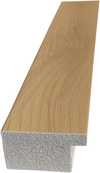
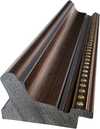


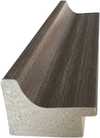
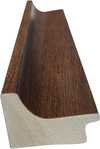
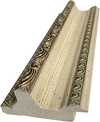
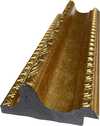
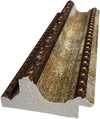
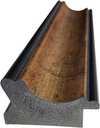
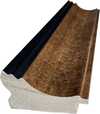

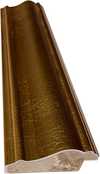
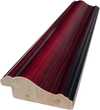
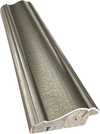
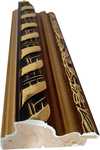
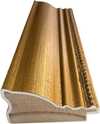
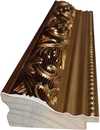
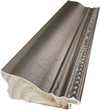
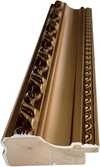
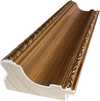
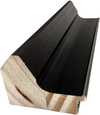
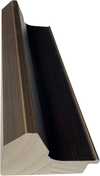
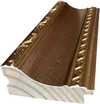

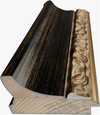
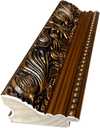
Pick from our preset sizes that match the artwork's original proportions.

You may enter your own dimensions to fit a specific frame or space. If your selected size does not match the original image's proportions, we will either crop the artwork or extend the painting with additional hand-painted elements. A digital mockup will be sent for your approval before production begins.
Please note that the on-screen preview does not reflect the actual cropping or extension. Only the mockup will accurately show the final composition.
While custom sizes are available, we recommend selecting a dimension from the predefined list to preserve the original proportions.
Worldwide Delivery () in 3/4 weeks instead of standard 5 weeks. (16 July). No compromise on quality.


Desk calendar
Reproduction Size
Roy Lichtenstein's “Desk Calendar,” painted in 1962, isn’t merely a depiction of an office calendar; it’s a carefully constructed meditation on the banality of modern life and the burgeoning Pop Art movement’s challenge to traditional artistic boundaries. This deceptively simple work, rendered in stark black and white with subtle tonal shifts, captures a moment of quiet domesticity – or perhaps, a silent testament to the relentless demands of a busy schedule – within the confines of an American office. The piece immediately draws the eye to its central subject: an open calendar, partially obscured by a dark binder overflowing with papers, suggesting a world perpetually in motion and demanding attention.
Lichtenstein’s signature Pop Art style is instantly recognizable. Bold outlines define every element – from the crisp edges of the calendar pages to the assertive lines of the handwritten notes. The meticulous detail, achieved through a technique reminiscent of commercial printing processes (likely oil paint or acrylic on canvas), mimics the look and feel of a printed schedule. The use of ‘Ben-Day dots,’ though not explicitly visible in this particular image, is a key element of Lichtenstein’s aesthetic, creating a textured, graphic effect that evokes the halftone patterns found in comic books and advertising – a deliberate nod to the mass-produced imagery dominating American culture at the time.
The composition itself is remarkably restrained. The calendar dominates the scene, its grid of dates and appointments acting as a visual anchor. The handwritten notes, scrawled in varying sizes and styles, hint at the pressures and obligations of daily life. The inclusion of scissors protruding from the binder adds an element of urgency or perhaps even frustration – suggesting a task interrupted, a deadline looming. Even the lighting, seemingly uniform across the scene, contributes to the overall sense of order and control, subtly contrasting with the implied chaos within the binder.
Beyond its surface appearance, “Desk Calendar” carries layers of symbolic meaning. The mundane subject matter – an office calendar – is elevated through Lichtenstein’s artistic treatment, transforming it into a potent commentary on consumer culture and the homogenization of experience. The repetition of dates and appointments speaks to the regimented nature of modern life, while the handwritten notes represent individual attempts to impose order upon that structure. The very act of documenting time becomes an artful gesture, questioning the value we place on schedules and routines.
Created in 1962, “Desk Calendar” firmly establishes Lichtenstein as a leading figure within the Pop Art movement. Emerging from the post-war artistic landscape, Pop Art sought to break down the barriers between ‘high’ art and ‘low’ culture, embracing imagery derived from advertising, comic books, and everyday objects. Artists like Lichtenstein deliberately blurred these distinctions, challenging traditional notions of beauty and taste.
Roy Fox Lichtenstein (1923-1997), born in Manhattan, initially pursued a career as a realist painter before being drawn to the vibrant energy of Pop Art. His early influences included jazz music and museum visits, shaping his keen eye for detail and his interest in capturing the spirit of contemporary America. “Desk Calendar” exemplifies Lichtenstein’s ability to distill complex ideas into visually arresting compositions – a testament to his enduring legacy as one of the 20th century's most influential artists.
Reproductions of “Desk Calendar” offer a captivating glimpse into Lichtenstein’s artistic vision. The bold graphic style, combined with the subtle tonal variations, creates a dynamic image that is both visually stimulating and intellectually engaging. Whether displayed in a contemporary art gallery or incorporated into an interior design scheme, this work serves as a reminder of Pop Art's enduring influence on our visual culture – a celebration of everyday life transformed by artistic ingenuity.

1923 - 1997 , United States of America

Explore the revolutionary abstract art of Ben Nicholson OM. Discover his geometric masterpieces, collaborations with Barbara Hepworth & investment potential. Expert insights for collectors.
Elevate your home with sophisticated Pop Art! Discover expert curation tips, investment potential & authentic reproductions from BuyPopArt. Transform your space into a vibrant gallery.
Explore the fascinating history of Pop Art, from its rebellious origins to its enduring influence on contemporary artists. Discover key figures like Warhol & Lichtenstein and learn about collecting this iconic movement.
Explore 10 defining Pop Art masterpieces – from Warhol’s iconic Marilyn to Lichtenstein's bold dots. Discover the stories behind these revolutionary artworks & find museum-quality reproductions for your home at .
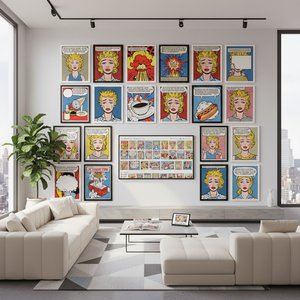
Explore Roy Lichtenstein's 25 most iconic Pop Art masterpieces! Discover the stories behind 'Drowning Girl', 'Look Mickey' & more. Find museum-quality reproductions and elevate your home decor with BuyPopArt. Explore the full collection online.


Stay updated with the latest art news, exclusive offers, and decoration ideas.
Tell us about your project and our art experts will provide you with 3 personalized art suggestions.
Let Us Curate 3 Options Just for You - Free!


 Buy print
 Send
Send Share
Share
 Details

 Download
 Similars
 X-Ray
X-Ray Diaporama
 Read More
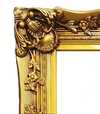
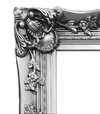


 Glass option is only available in size under 110 CM