x


Hand-painted oil on canvas in your size and frame, made to order by our artists.





























Pick from our preset sizes that match the artwork's original proportions.

You may enter your own dimensions to fit a specific frame or space. If your selected size does not match the original image's proportions, we will either crop the artwork or extend the painting with additional hand-painted elements. A digital mockup will be sent for your approval before production begins.
Please note that the on-screen preview does not reflect the actual cropping or extension. Only the mockup will accurately show the final composition.
While custom sizes are available, we recommend selecting a dimension from the predefined list to preserve the original proportions.
Worldwide Delivery () in 3/4 weeks instead of standard 5 weeks. (16 July). No compromise on quality.


Mountain Village
Reproduction Size
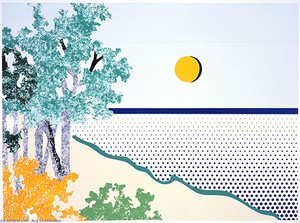
Roy Lichtenstein's "Mountain Village," painted in 1985, isn’t merely a landscape; it’s a carefully constructed tableau that encapsulates the essence of Pop Art – a dialogue between familiar imagery, mass production techniques, and a subtle commentary on our relationship with the natural world. This vibrant work, rendered primarily in acrylic and oil paints on canvas, immediately draws the eye with its bold colors and dynamic composition. The scene unfolds against a snowy backdrop, dominated by a towering tree that anchors the foreground, while smaller trees cluster around it, creating a sense of depth and inviting the viewer into this miniature world.
The inclusion of two figures – one positioned centrally and another to the right – introduces an element of human presence. They are rendered with a degree of abstraction characteristic of Lichtenstein’s style, their forms simplified yet undeniably recognizable. This deliberate ambiguity invites speculation about their purpose within the scene; are they observers, participants, or perhaps simply markers of scale? The addition of an airplane soaring overhead adds another layer of complexity, injecting a sense of movement and suggesting a connection between this isolated mountain village and the wider world – a subtle critique of encroaching modernity on traditional landscapes. The painting’s overall effect is one of lively engagement, as if capturing a fleeting moment of everyday life amidst the grandeur of nature.
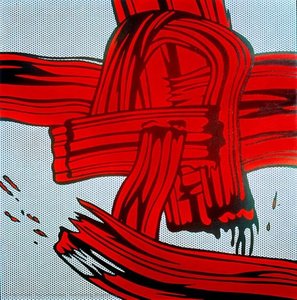
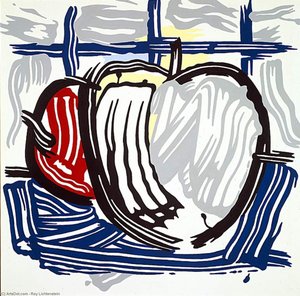
Understanding Lichtenstein's technique is crucial to appreciating “Mountain Village.” He masterfully employed the iconic Ben-Day dots – small, colored squares that mimic the look of screen printing – to create texture and depth. These dots aren’t simply decorative; they are a fundamental element of his visual language, referencing the world of comic books and commercial illustration. This technique lends a slightly artificial quality to the scene, aligning it firmly within the Pop Art movement's rejection of traditional fine art conventions.
Furthermore, Lichtenstein drew heavily from narrative sources, particularly American comics. The composition itself echoes the panel structure of a comic strip, with distinct areas and a clear sense of foreground and background. The figures, though simplified, possess a recognizable dynamism, reminiscent of action sequences within a story. This deliberate borrowing of popular imagery was a key tenet of Pop Art – elevating everyday objects and experiences to the level of artistic subject matter.
Created in 1985, “Mountain Village” reflects Lichtenstein’s mature style, honed over decades of experimentation. His early training at the Art Students League and his subsequent studies with Reginald Marsh instilled a strong foundation in drawing and painting, which he then radically transformed through Pop Art principles. The influence of jazz music, a significant part of his upbringing, can be detected in the painting’s energetic composition and its celebration of seemingly simple subjects.
It's worth noting that Lichtenstein was deeply engaged with the art world of his time, particularly the burgeoning Pop Art scene in Los Angeles. Works like “Masterpiece” (1962), a monumental canvas utilizing Ben-Day dots and narrative content within speech bubbles, demonstrated his mastery of this technique and solidified his position as a leading figure in the movement. The painting’s subject matter – a stylized depiction of a mountain landscape – subtly echoes the landscapes depicted by Giuseppe Ajmone, an Italian artist whose work influenced Lichtenstein's early explorations of color and composition.
While seemingly straightforward, “Mountain Village” possesses a subtle layer of symbolic meaning. The snowy landscape evokes feelings of tranquility and isolation, while the presence of the airplane suggests both connection and disruption. The tree, a perennial symbol of strength and resilience, anchors the scene and provides a visual focal point. The figures, ambiguous in their purpose, invite viewers to project their own interpretations onto the image.
Ultimately, “Mountain Village” is more than just a pretty picture; it’s a meditation on the intersection of nature, human activity, and popular culture. It's a testament to Lichtenstein's ability to transform ordinary subjects into compelling works of art, capturing both the beauty of the natural world and the complexities of modern life. A high-quality reproduction allows one to appreciate the meticulous detail and vibrant color palette that define this iconic Pop Art masterpiece.

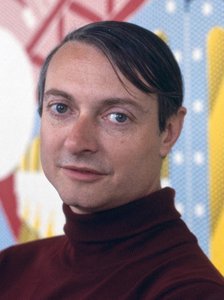
1923 - 1997 , United States of America
Explore the fascinating history of Pop Art, from its rebellious origins to its enduring influence on contemporary artists. Discover key figures like Warhol & Lichtenstein and learn about collecting this iconic movement.
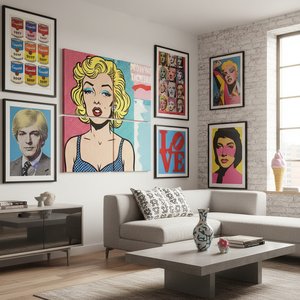
Explore 10 defining Pop Art masterpieces – from Warhol’s iconic Marilyn to Lichtenstein's bold dots. Discover the stories behind these revolutionary artworks & find museum-quality reproductions for your home at .
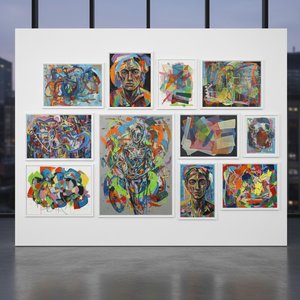
Explore 10 legendary acrylic paintings that revolutionized modern art! From Helen Frankenthaler's color fields to Richter’s abstract power, discover the stories behind these iconic masterpieces. Find museum-quality reproductions & elevate your home decor on BuyPopArt.com.
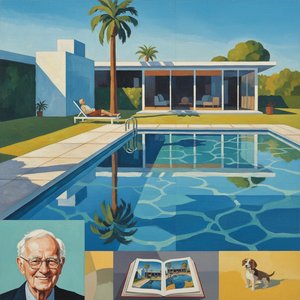
Explore the life & work of David Hockney, Pop Art's master chronicler. Discover his iconic paintings, Californian landscapes, and lasting influence on modern art. Expert analysis for collectors.
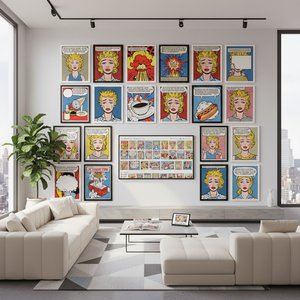
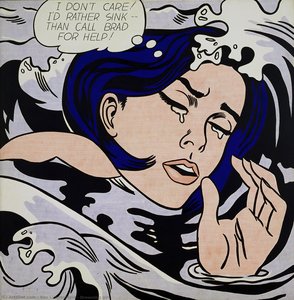
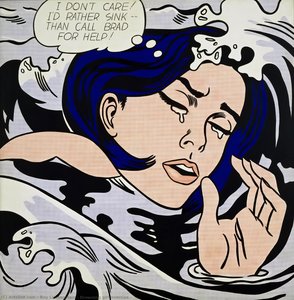
Explore Roy Lichtenstein's 25 most iconic Pop Art masterpieces! Discover the stories behind 'Drowning Girl', 'Look Mickey' & more. Find museum-quality reproductions and elevate your home decor with BuyPopArt. Explore the full collection online.


Stay updated with the latest art news, exclusive offers, and decoration ideas.
Tell us about your project and our art experts will provide you with 3 personalized art suggestions.
Let Us Curate 3 Options Just for You - Free!


 Buy print
 Send
Send Share
Share
 Details

 Download
 Similars
 X-Ray
X-Ray Diaporama

 Read More







 Glass option is only available in size under 110 CM