x


Hand-painted oil on canvas in your size and frame, made to order by our artists.
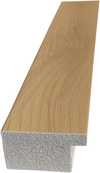
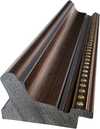
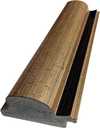
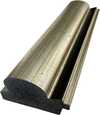
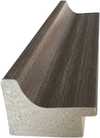
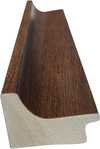
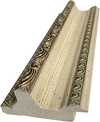
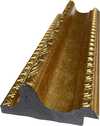
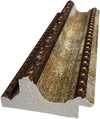
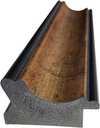
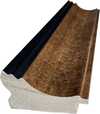


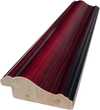
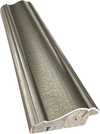
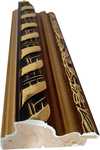
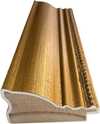
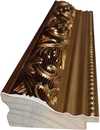
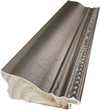
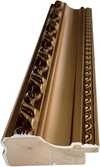
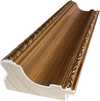
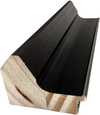


Pick from our preset sizes that match the artwork's original proportions.

You may enter your own dimensions to fit a specific frame or space. If your selected size does not match the original image's proportions, we will either crop the artwork or extend the painting with additional hand-painted elements. A digital mockup will be sent for your approval before production begins.
Please note that the on-screen preview does not reflect the actual cropping or extension. Only the mockup will accurately show the final composition.
While custom sizes are available, we recommend selecting a dimension from the predefined list to preserve the original proportions.
Worldwide Delivery () in 3/4 weeks instead of standard 5 weeks. (16 July). No compromise on quality.


Temple of apollo
Reproduction Size
Roy Lichtenstein's "Temple of Apollo," painted in 1964, isn’t merely a depiction of classical architecture; it’s a deliberate and fascinating collision between ancient grandeur and the burgeoning visual language of Pop Art. The painting presents a simplified, almost schematic rendering of a temple – specifically, one reminiscent of the Temple of Apollo at Delphi, a site steeped in myth and prophecy – set against a backdrop of a subtly rendered mountain range. This juxtaposition immediately establishes an intriguing tension: the monumental scale and inherent solemnity of the Greek temple are playfully disrupted by Lichtenstein’s signature techniques.
The composition is strikingly clean and reductive. Four stark white pillars dominate the foreground, their geometric forms echoing the precision of comic book panels. These aren't the weathered, textured columns of a centuries-old structure; they possess an almost manufactured quality, hinting at Lichtenstein’s deliberate rejection of traditional artistic representation. The background, painted with broad, flat washes of color – primarily blues and greens – creates a sense of distance and atmospheric perspective, though it lacks the detailed realism one would expect in a landscape painting. This simplification is key to understanding Lichtenstein's approach: he wasn’t aiming for photographic accuracy but rather to distill the essence of the subject down to its most recognizable elements.
Lichtenstein’s distinctive style hinges on his masterful use of Ben-Day dots – tiny, colored squares that mimic the halftone printing technique used in commercial comics. This technique, borrowed from advertising and mass media, injects a vibrant, almost artificial quality into the painting. The white pillars aren't painted; they are constructed from these meticulously placed dots, creating an illusion of volume and texture. The effect is simultaneously familiar and slightly unsettling – it’s a recognizable image presented through a deliberately unconventional method.
Furthermore, the composition subtly references comic book panels. The clear delineation between foreground and background, the flattened perspective, and the overall sense of immediacy are all hallmarks of the sequential art form. Lichtenstein was deeply influenced by these sources, viewing them as a reflection of contemporary American culture – a culture increasingly dominated by mass media and consumerism. He wasn’t simply copying comic book imagery; he was using it to critique the very nature of representation and artistic value.
The choice of the Temple of Apollo as a subject is particularly significant. The temple at Delphi held immense religious and cultural importance in ancient Greece, serving as a center for prophecy and oracle consultations. Apollo himself was a complex deity – associated with light, music, and order, but also with madness and disease. Lichtenstein’s painting can be interpreted as an exploration of the relationship between classical mythology and modern society.
By presenting this ancient temple in such a simplified and stylized manner, Lichtenstein invites us to consider how our understanding of history and tradition is shaped by contemporary visual culture. The stark white pillars stand in contrast to the weathered stone of the original temple, suggesting a shift in values – from reverence for the past to a fascination with the present. The mountain range in the background subtly alludes to the mythical origins of Delphi, grounding the scene within a broader narrative of ancient legend.
BuyPopArt offers meticulously crafted hand-painted reproductions of "Temple of Apollo," capturing the essence of Lichtenstein’s unique style with exceptional detail and fidelity. Each reproduction is created by skilled artists who understand the nuances of Lichtenstein's technique, ensuring that every Ben-Day dot is faithfully rendered. Whether you are a seasoned art collector or simply seeking to add a touch of Pop Art flair to your interior design, our reproductions provide an authentic and engaging representation of this iconic work. Explore the collection today and bring the spirit of Lichtenstein’s temple into your space.


1923 - 1997 , United States of America

Explore the revolutionary abstract art of Ben Nicholson OM. Discover his geometric masterpieces, collaborations with Barbara Hepworth & investment potential. Expert insights for collectors.

Elevate your home with sophisticated Pop Art! Discover expert curation tips, investment potential & authentic reproductions from BuyPopArt. Transform your space into a vibrant gallery.

Explore the fascinating history of Pop Art, from its rebellious origins to its enduring influence on contemporary artists. Discover key figures like Warhol & Lichtenstein and learn about collecting this iconic movement.

Explore the captivating world of Pop Surrealism with BuyPopArt. Discover key artists like George Condo & Robert Williams, investment potential, and the movement's cultural impact. Expert insights for collectors.

Explore the captivating history of mythological narratives in Western art! From ancient Greece to modern masterpieces, discover iconic artworks & symbolism. Expert analysis and high-quality reproductions at BuyPopArt.


Stay updated with the latest art news, exclusive offers, and decoration ideas.
Tell us about your project and our art experts will provide you with 3 personalized art suggestions.
Let Us Curate 3 Options Just for You - Free!


 Buy print
 Send
Send Share
Share
 Details

 Download
 Similars
 X-Ray
X-Ray Diaporama

 Read More

 Glass option is only available in size under 110 CM