Oil On CanvasWallArtPost-Impressionist Style
 1891
1891 91.0 x 72.0 cm
Hand-painted oil on canvas in your size and frame, made to order by our artists. ( Buy Print Buy Image)





























Pick from our preset sizes that match the artwork's original proportions.

You may enter your own dimensions to fit a specific frame or space. If your selected size does not match the original image's proportions, we will either crop the artwork or extend the painting with additional hand-painted elements. A digital mockup will be sent for your approval before production begins.
Please note that the on-screen preview does not reflect the actual cropping or extension. Only the mockup will accurately show the final composition.
While custom sizes are available, we recommend selecting a dimension from the predefined list to preserve the original proportions.
Worldwide Delivery () in 3/4 weeks instead of standard 5 weeks. (13 August). No compromise on quality.


Black pigs
Reproduction Size
Paul Gauguin’s “Black Pigs,” painted in 1891, is more than just a depiction of a Tahitian village; it’s an immersive journey into the artist’s revolutionary vision. Measuring 91 x 72 cm, this oil on canvas radiates with the bold colors and expressive brushstrokes that would forever alter the course of modern art. The scene unfolds with a captivating immediacy – a woman seated before her hut, surrounded by a community engaged in everyday life, punctuated by the presence of two horses and a flurry of birds. Gauguin masterfully captures not just what he saw, but how he *felt* about it, imbuing the canvas with an undeniable energy that draws the viewer directly into the heart of this exotic locale.
Gauguin's work is firmly rooted in the Post-Impressionist movement, yet he quickly transcended its limitations. Influenced by artists like Vincent van Gogh, Gauguin sought to convey emotion and subjective experience through his art, rejecting the objective realism favored by Impressionists. His Tahitian period, particularly, was a crucial phase in this evolution. The painting’s composition echoes elements of cloisonnism, evident in the stylized forms and distinct planes of color, while simultaneously drawing inspiration from Eastern and African artistic traditions – motifs and techniques that he absorbed during his time in the South Pacific. This fusion created a uniquely personal style, one characterized by its raw intensity and symbolic depth.
Beyond its surface beauty, “Black Pigs” is rich with symbolism. The title itself – "Black Pigs" – hints at the deeper connection between humanity and nature. While the pigs themselves are subtly integrated into the composition, they represent a primal force, a reminder of our dependence on the natural world. The woman seated before her hut could be interpreted as a figure of authority or perhaps a representation of fertility and motherhood. The presence of horses further emphasizes this connection to the land, while the birds add an element of lightness and spirituality. The bench in the center serves not just as a resting place but as a focal point, inviting contemplation and suggesting a communal gathering space.
“Black Pigs” stands as a pivotal work in Gauguin’s oeuvre and a landmark achievement in modern art. Its bold use of color, expressive brushstrokes, and symbolic content challenged the conventions of representational painting and paved the way for subsequent artistic movements. This captivating artwork continues to resonate with viewers today, offering a glimpse into the mind of one of the most influential artists of the 20th century. Its vibrant energy and profound symbolism make it a truly timeless masterpiece.
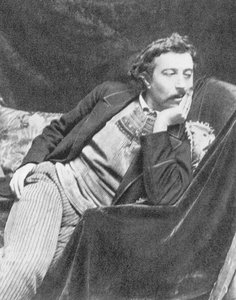
1848 - 1903 , France

Master the art of impact with our expert guide to oil on panel. Discover how impasto textures and heavy-body pigments create 3D depth and bold visual energy for modern interiors. Elevate your space with high-impact, hand-painted masterpieces designed for maximum aesthetic punch.


Stay updated with the latest art news, exclusive offers, and decoration ideas.
Tell us about your project and our art experts will provide you with 3 personalized art suggestions.
Let Us Curate 3 Options Just for You - Free!


 Preview
 Send
Send Share
Share
 Details

 Download
 Similars
 X-Ray
X-Ray Diaporama
 Read More







 Glass option is only available in size under 110 CM