x

 Woodblock PrintUkiyo-e Style
 19th Century
 21.0 x 27.0 cm
 Tobacco and Salt Museum
Hand-painted oil on canvas in your size and frame, made to order by our artists.
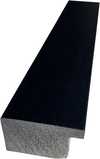
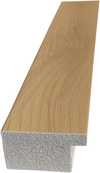
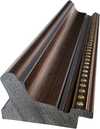
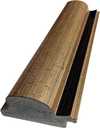
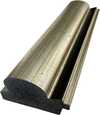
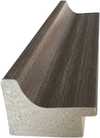
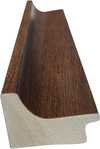
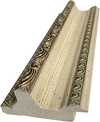
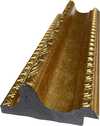
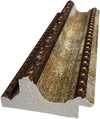
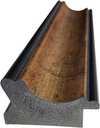
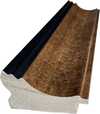
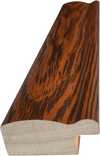
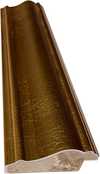
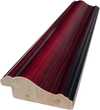
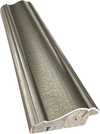
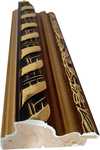
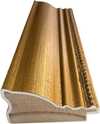
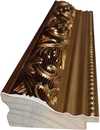
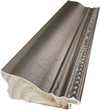
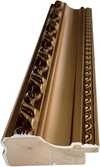
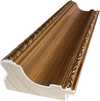
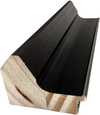
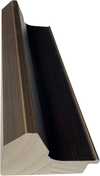
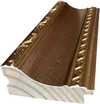
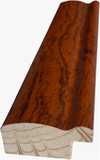
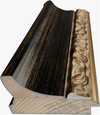
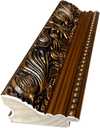
Pick from our preset sizes that match the artwork's original proportions.

You may enter your own dimensions to fit a specific frame or space. If your selected size does not match the original image's proportions, we will either crop the artwork or extend the painting with additional hand-painted elements. A digital mockup will be sent for your approval before production begins.
Please note that the on-screen preview does not reflect the actual cropping or extension. Only the mockup will accurately show the final composition.
While custom sizes are available, we recommend selecting a dimension from the predefined list to preserve the original proportions.
Worldwide Delivery () in 3/4 weeks instead of standard 5 weeks. (16 July). No compromise on quality.


Osen
Reproduction Size
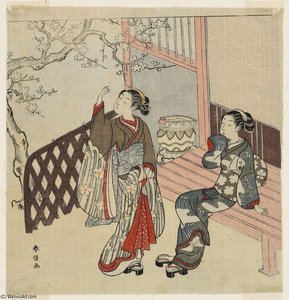
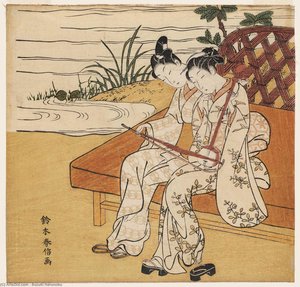
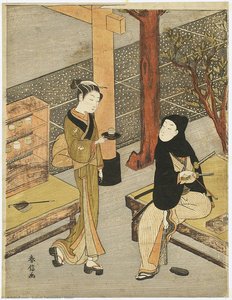
This exquisite hand-painted reproduction captures the essence of Suzuki Harunobu's pivotal contribution to Japanese art – a masterful example of nishiki-e, or brocade prints, produced in the mid-18th century. Measuring 21 x 27 cm, this artwork transports us to the vibrant world of the ukiyo-e style, a movement that flourished during Harunobu’s lifetime and offered fleeting glimpses into everyday life, beauty, and entertainment. The scene depicts two women – an “osen,” or geisha – engaged in a moment of quiet conviviality, offering a poignant reflection on social customs and artistic innovation within Edo period Japan.
Suzuki Harunobu’s artistic journey was marked by a fascinating interplay between tradition and experimentation. Born in Tokyo in 1725, he initially worked in the style of the Torii school, known for its skillful but somewhat conventional approach to woodblock printing. However, his association with a group of literati samurai proved transformative. This collaboration spurred him to embrace new formats and styles, particularly evident in the creation of nishiki-e prints. Harunobu’s dedication to this innovative style is strikingly apparent here; he meticulously selected premium woods for the woodblocks and employed richer, more expensive pigments – a deliberate departure from earlier practices – reflecting his commitment to elevating the craft of printmaking. The influence of artists like Torii Kiyomitsu, Ishikawa Toyonobu, and notably Nishikawa Sukenobu (his teacher), is subtly woven into the composition, creating a complex tapestry of artistic lineage.
The central figures, the “osen,” are not merely depicted as beautiful women; they represent a crucial social role within Edo society. The osen were highly skilled entertainers, renowned for their artistry in music, dance, poetry, and conversation. Their presence in this print speaks to the importance of refined leisure and cultural sophistication. The inclusion of cups and bowls suggests an intimate gathering, perhaps a private salon or a moment of shared enjoyment. The background figure adds another layer of narrative complexity, hinting at a broader social context – possibly a patron observing the scene or another participant joining the conversation. The carefully arranged chairs further contribute to the sense of domestic tranquility and refined taste.
Harunobu’s meticulous attention to detail is immediately apparent in this reproduction. The delicate rendering of fabric, the subtle gradations of color, and the precise execution of the figures demonstrate his mastery of woodblock printing techniques. The overall effect is one of serene beauty and quiet contemplation. This artwork evokes a sense of nostalgia for a bygone era, inviting viewers to appreciate the artistry and cultural significance of ukiyo-e prints. The composition’s harmonious balance and gentle mood create an atmosphere of refined elegance – a timeless testament to Harunobu's artistic vision.

1725 - 1770 , Japan

Explore the captivating world of Ukiyo-e – Japan's iconic woodblock prints! Discover masters like Hokusai & Hiroshige, learn about Edo period culture, and find expert art collecting guidance at BuyPopArt.

Explore the captivating world of Tōshūsai Sharaku, the enigmatic Edo period ukiyo-e master. Discover his iconic Kabuki actor portraits and unravel the mystery behind this fleeting artistic genius. Learn about his unique style & lasting legacy.

Journey through art history with our Top 10 oil paintings! Explore iconic works by Van Gogh, Monet & Rembrandt. Discover timeless masterpieces and find museum-quality reproductions for your home at .

Explore the captivating world of Utagawa Kuniyoshi, a master of Japanese ukiyo-e woodblock prints. Discover his innovative warrior scenes, vibrant landscapes & lasting legacy in 19th-century art history.

Discover the revolutionary world of Suzuki Harunobu, a pioneer of ukiyo-e printmaking. Explore his exquisite nishiki-e techniques, diverse subjects & lasting impact on Japanese art history. Learn more at BuyPopArt.


Stay updated with the latest art news, exclusive offers, and decoration ideas.
Tell us about your project and our art experts will provide you with 3 personalized art suggestions.
Let Us Curate 3 Options Just for You - Free!


 Buy print
 Send
Send Share
Share
 Details

 Download
 Similars
 X-Ray
X-Ray Diaporama
 Read More
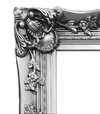
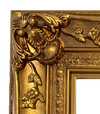
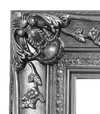
 Glass option is only available in size under 110 CM