x


Hand-painted oil on canvas in your size and frame, made to order by our artists.










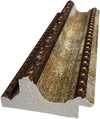






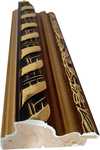

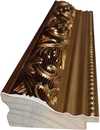







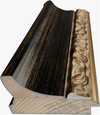

Pick from our preset sizes that match the artwork's original proportions.

You may enter your own dimensions to fit a specific frame or space. If your selected size does not match the original image's proportions, we will either crop the artwork or extend the painting with additional hand-painted elements. A digital mockup will be sent for your approval before production begins.
Please note that the on-screen preview does not reflect the actual cropping or extension. Only the mockup will accurately show the final composition.
While custom sizes are available, we recommend selecting a dimension from the predefined list to preserve the original proportions.
Worldwide Delivery () in 3/4 weeks instead of standard 5 weeks. (16 July). No compromise on quality.


Portrait of Marjorie Ferry
Reproduction Size
Step into the glamorous world of 1930s Paris with Tamara de Lempicka's iconic "Portrait of Marjorie Ferry." This captivating artwork, created in 1932, is a testament to the artist's unique blend of Art Deco elegance and modernist sensibility. The painting depicts British cabaret singer Marjorie Ferry, exuding an aura of mystery and sophistication that has captivated art lovers for decades.
Lempicka's distinctive style combines the sleek lines of Cubism with the classical elegance of Renaissance art. The "Portrait of Marjorie Ferry" showcases her mastery of oil-on-canvas, featuring smooth, flowing lines that create a sense of movement and fluidity. The subdued color palette, dominated by soft whites, creams, and pale pinks, adds to the painting's tranquil yet enigmatic atmosphere.
The artwork was commissioned by Marjorie Ferry's husband in 1932 and painted in Lempicka's studio on rue Méchain. It serves as a glimpse into the glittering high society life of Paris during the 1930s. The painting has been affectionately dubbed the "Art Deco Mona Lisa" due to Marjorie's enigmatic smile, which bears a striking resemblance to Leonardo da Vinci's masterpiece.
The portrait captures Marjorie Ferry in a moment of quiet reflection, her seductive gaze and gentle smile inviting viewers to ponder her thoughts and emotions. The architectural elements surrounding her suggest a private, intimate space, adding depth and intrigue to the composition. This artwork evokes a sense of timeless elegance and sophistication, making it a captivating addition to any art collection.
The "Portrait of Marjorie Ferry" is not just a painting; it's a conversation starter and a statement piece that adds a touch of glamour and sophistication to any interior. Its timeless appeal makes it a perfect choice for art lovers, collectors, and interior designers seeking to create a luxurious and refined atmosphere.
Bring the enchanting world of 1930s Paris into your home with a high-quality reproduction of Tamara de Lempicka's "Portrait of Marjorie Ferry." This iconic artwork is a must-have for anyone looking to add a touch of elegance and mystery to their space. Don't miss the opportunity to own a piece of art history that continues to captivate and inspire.
Tamara de Lempicka, born Maria Teresa Górska in 1898 Warsaw, was a figure as captivating and complex as the portraits she immortalized. Her life story reads like a novel—a whirlwind of aristocratic upbringing, revolutionary upheaval, artistic awakening, and enduring glamour. Born into a wealthy Polish-Jewish family, her early years were steeped in European culture, marked by travels to spas and exposure to a sophisticated social milieu. This privileged background instilled within her an appreciation for beauty and elegance that would profoundly shape her aesthetic vision. However, the idyllic world of her youth was shattered by the Russian Revolution. Fleeing political turmoil with her husband, Tadeusz Łempicki, she embarked on a new chapter in Paris, a city poised to become the epicenter of artistic innovation. It was here, amidst the burgeoning Art Deco movement, that Tamara truly found her voice.
Lempicka’s artistic journey wasn't born from formal academic training but rather from passionate self-discovery and mentorship. She studied briefly with Maurice Denis and André Lhote, absorbing their techniques while simultaneously forging her own distinctive style. The influence of Jean-Dominique Ingres is palpable in her neoclassical precision and emphasis on form, yet she deftly integrated the fragmented perspectives and geometric abstraction of Cubism—a daring fusion that defined her signature aesthetic. Her paintings are characterized by polished surfaces, sleek lines, and a deliberate stylization of figures, all hallmarks of Art Deco’s embrace of modernity and luxury. She didn't merely paint portraits; she constructed icons. Her subjects – often members of the aristocracy or wealthy elite – were depicted with an air of cool sophistication, embodying the liberated spirit of the Jazz Age. Self-Portrait in the Green Bugatti, perhaps her most iconic work, exemplifies this perfectly—a striking image of self-assured independence and automotive speed, capturing a moment of modern life with unparalleled elegance.
The 1925 Exposition Internationale des Arts Décoratifs et Industriels Modernes in Paris proved to be a pivotal moment for Lempicka. Her participation helped propel Art Deco into the mainstream, solidifying her reputation as a leading artist of the era. This success was further cemented in 1927 when she won first prize at the Bordeaux Exposition for Kizette on the Balcony, a portrait that perfectly encapsulates her signature style—a blend of classical composure and modern sensuality. Throughout the late 1920s and 1930s, Lempicka became highly sought after by wealthy patrons eager to commission portraits that would immortalize their status and allure. Works like Portrait of Marjorie Ferry demonstrate her ability to capture not just a likeness but also the inner essence of her subjects—their ambition, confidence, and refined taste. Beyond portraiture, she explored mythological themes, as seen in Adam and Eve, showcasing her versatility and intellectual curiosity.
The outbreak of World War II forced Lempicka to relocate to the United States in 1939, where she continued to paint but found herself somewhat out of step with the evolving artistic landscape. Her style, so closely associated with the glamour of pre-war Europe, felt less relevant in a world grappling with conflict and uncertainty. However, her work experienced a remarkable resurgence in popularity during the Art Deco revival of the 1960s and 70s. A new generation discovered her paintings, captivated by their timeless elegance and bold aesthetic vision. Tamara de Lempicka died in Mexico City in 1980, choosing to have her ashes scattered over the Popocatépetl volcano—a final act of defiance and independence befitting a woman who lived life on her own terms. Today, she is celebrated as one of the most important figures in Art Deco art, an artist whose paintings continue to inspire awe and admiration for their beauty, sophistication, and embodiment of a bygone era. Her legacy extends beyond aesthetics; she remains an iconic figure representing female empowerment and artistic innovation within a historically male-dominated field.

1898 - 1980 , Poland

Explore the captivating world of Art Deco paintings & the Gilded Age's enduring legacy. Discover iconic artists like Tamara de Lempicka & invest in museum-quality reproductions with BuyPopArt.

Step back into the glamour of the Roaring '20s! Explore 10 iconic artworks by artists like Tamara de Lempicka & Edward Hopper. Discover Art Deco, Jazz Age style & museum-quality reproductions at BuyPopArt.com. Explore the full collection online.

Explore the captivating world of 1920s art! Discover Art Deco's glamour, Modernism’s impact & iconic artists like Tamara de Lempicka. Museum-quality reproductions at BuyPopArt.

Explore the glamour of Art Deco & the innovation of Modernism! Discover key artists, investment potential, and expert guidance for collecting 1920s art. Enhance your space with timeless masterpieces.

Discover the beauty of commissioning a custom portrait! Create a lasting memory with unique art – perfect for proposals & anniversaries. Expert artists, personalized service.


Stay updated with the latest art news, exclusive offers, and decoration ideas.
Tell us about your project and our art experts will provide you with 3 personalized art suggestions.
Let Us Curate 3 Options Just for You - Free!


 Buy print
 Send
Send Share
Share
 Details

 Download
 Similars
 X-Ray
X-Ray Diaporama

 Read More






 Glass option is only available in size under 110 CM