x


 DrawingWallArtModernismo
 1971Modern
 20.0 x 29.0 cm
 Museu de Valores do Banco Central do Brasil
Hand-painted oil on canvas in your size and frame, made to order by our artists.







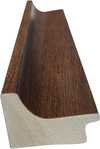
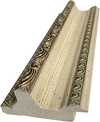
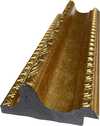
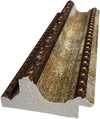
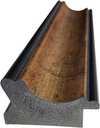
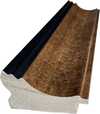
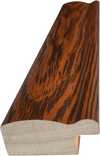



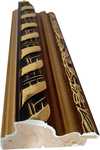

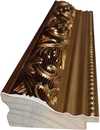
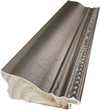

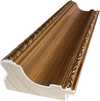



Pick from our preset sizes that match the artwork's original proportions.

You may enter your own dimensions to fit a specific frame or space. If your selected size does not match the original image's proportions, we will either crop the artwork or extend the painting with additional hand-painted elements. A digital mockup will be sent for your approval before production begins.
Please note that the on-screen preview does not reflect the actual cropping or extension. Only the mockup will accurately show the final composition.
While custom sizes are available, we recommend selecting a dimension from the predefined list to preserve the original proportions.
Worldwide Delivery () in 3/4 weeks instead of standard 5 weeks. (16 July). No compromise on quality.


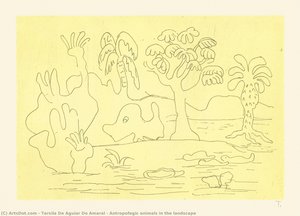
Antropofagic animals in the landscape
Reproduction Size
In the quiet, evocative lines of Antropofagic animals in the landscape, we find ourselves transported into the profound and surreal imagination of Tarsila do Amaral, one of Brazil's most transformative artistic voices. Created in 1971, this work serves as a poignant retrospective window into the themes that defined her legacy. The piece presents a stylized, dreamlike landscape where the boundaries between the human and the animalistic blur into a singular, rhythmic existence. Through a delicate interplay of form and concept, Amaral invites the viewer to witness a world where nature is not merely a backdrop, but a living, breathing participant in a cosmic dance of transformation. It is a composition that captures the essence of antropofagia—the concept of cultural cannibalism—reimagined through the lens of a gentle, primitive symbiosis.
The technique employed here is one of striking simplicity and profound impact. Eschewing the complexities of heavy shading or deep perspective, the artist utilizes a masterful line-drawing approach. Thick, confident black outlines define the silhouettes of hands, avian creatures, and humanoid figures, lending the work a quality reminiscent of naive art or folk illustration. This deliberate flatness creates an intimate, almost tactile experience, as if peering into a beautifully preserved memory or a page from a lost mythic manuscript. Subtle hatching and cross-hatching provide just enough texture to suggest depth within the forms, while the warm, pale yellow background bathes the entire scene in a soft, diffused light. This luminous palette evokes a sense of eternal afternoon, casting a tranquil glow over the unusual inhabitants of this landscape.
Beyond its aesthetic charm, the artwork carries a deep symbolic weight that resonates with collectors and historians alike. The presence of anthropomorphic elements suggests a profound commentary on the interconnectedness of all life forms. By imbuing animals with human-like qualities, Amaral challenges the traditional hierarchy of nature, proposing instead a world of shared essence and mutual consumption—a metaphor for how cultures and identities absorb and reinvent one another. For the interior designer or art enthusiast, this piece offers more than just visual beauty; it provides a sophisticated focal point that sparks conversation. Its minimalist yet expressive nature makes it an ideal addition to modern, eclectic, or contemporary spaces, where its bold lines and warm tones can anchor a room with a sense of historical depth and avant-garde spirit.
Owning a reproduction of such a seminal work is an opportunity to bring the revolutionary heart of Brazilian Modernism into one's personal sanctuary. Antropofagic animals in the landscape is not merely a drawing; it is an invitation to contemplate our place within the natural order and to celebrate the beauty found in the fusion of the wild and the civilized. It remains a timeless testament to Tarsila do Amaral’s ability to distill complex cultural movements into a visual language that is as accessible as it is profound.

1886 - 1973 , Brazil

Explore the captivating world of Alceu de Paula Penna, a pivotal figure in Brazilian Modernism. Discover his innovative concrete poetry & influence on Latin American art history. Expert insights for collectors.

Explore the revolutionary world of Modernism! Discover key movements, masters like Malevich & Cézanne, and its lasting impact on art history. Expert insights for collectors.

Explore the captivating world of James Ward (1769-1859), a master of British Romantic landscape & animal painting. Discover his iconic 'Gordale Scar' and exquisite portraits – a timeless art investment. Learn about his influences, style, and enduring legacy.

Explore the revolutionary world of Naïve Art & Primitivism! Discover how artists challenged academic traditions with raw emotion & unique styles. Learn about Picasso, Rousseau & more at BuyPopArt.

Explore the life & art of Rafael Barradas, a pioneering Uruguayan modernist who blended European influences with vibrant local heritage. Discover his unique 'Vibrationism' style and investment potential.


Stay updated with the latest art news, exclusive offers, and decoration ideas.
Tell us about your project and our art experts will provide you with 3 personalized art suggestions.
Let Us Curate 3 Options Just for You - Free!


 Buy print
 Send
Send Share
Share
 Details

 Download
 Similars
 X-Ray
X-Ray Diaporama
 Read More

 Glass option is only available in size under 110 CM