x


 AcrylicWallArtJapanese Ukiyo-e Tradition
 1883
1883 33.0 x 22.0 cm
 Los Angeles County Museum of Art
Hand-painted oil on canvas in your size and frame, made to order by our artists.
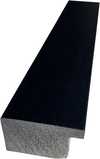
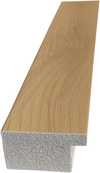
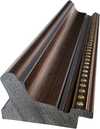
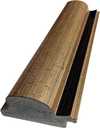
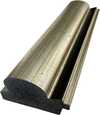
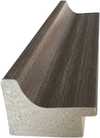
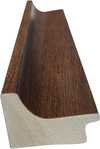
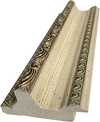
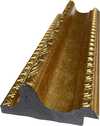
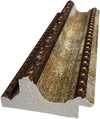
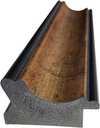
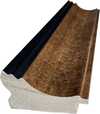
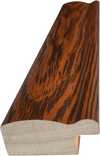
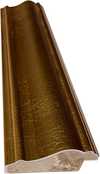
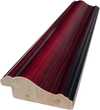
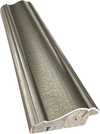
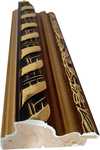
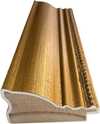
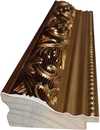
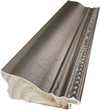
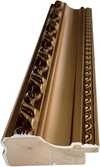
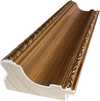
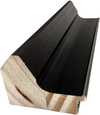
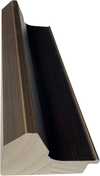
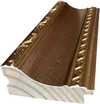
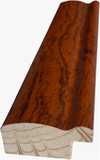
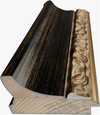
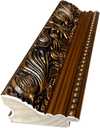
Pick from our preset sizes that match the artwork's original proportions.

You may enter your own dimensions to fit a specific frame or space. If your selected size does not match the original image's proportions, we will either crop the artwork or extend the painting with additional hand-painted elements. A digital mockup will be sent for your approval before production begins.
Please note that the on-screen preview does not reflect the actual cropping or extension. Only the mockup will accurately show the final composition.
While custom sizes are available, we recommend selecting a dimension from the predefined list to preserve the original proportions.
Worldwide Delivery () in 3/4 weeks instead of standard 5 weeks. (16 July). No compromise on quality.


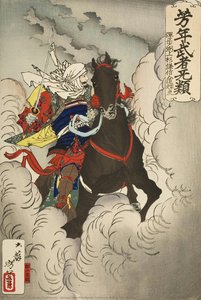
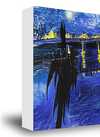
Uesugi Kenshin Nyudo Terutora Riding into Battle
Reproduction Size
Tsukioka Yoshitoshi’s “Uesugi Kenshin Nyudo Terutora Riding into Battle,” created in 1883, transcends mere depiction; it embodies the anxieties and aspirations of Japan during its pivotal transition from feudal rule to modernization. This monumental woodblock print isn't simply a record of military prowess; it’s a carefully crafted tableau brimming with symbolism that speaks volumes about the era’s psychological landscape.
Subject Matter & Composition: The artwork portrays Uesugi Kenshin, a legendary samurai warrior known for his unwavering loyalty and martial skill, astride two horses soaring through swirling clouds. Alongside him rides Terutora, another formidable warrior, further emphasizing the theme of bravery and determination. Yoshitoshi’s masterful composition utilizes dynamic lines to convey movement—the horses surge forward with palpable energy—creating a sense of urgency and conveying the immediacy of battle.
Style & Technique: Yoshitoshi adhered to the conventions of *ukiyo-e*, employing meticulous detail and shading techniques characteristic of the genre. The print’s tonal palette is dominated by muted blues and greys, mirroring the overcast sky and lending an air of solemn grandeur to the scene. Yoshitoshi skillfully utilized Prussian blue pigment—a relatively new import from Europe at the time—to achieve breathtaking atmospheric perspective, convincingly simulating the vastness of the heavens and enhancing the dramatic impact.
Historical Context: “Uesugi Kenshin Nyudo Terutora Riding into Battle” emerged during a period of profound change in Japan. The Meiji Restoration (1868) had ushered in an era of Western influence, challenging traditional values and accelerating industrialization. Yoshitoshi’s depiction reflects this tension—the samurai warriors represent the fading glory of the old order battling against the encroaching forces of progress. Yet, beneath the surface of conflict lies a celebration of courage and resilience – qualities deemed essential for Japan's survival.
Symbolism & Emotional Impact: The swirling clouds symbolize uncertainty and upheaval, mirroring the anxieties surrounding the Restoration’s reforms. However, the horses themselves embody strength and nobility, representing the samurai spirit’s unwavering commitment to honor and duty. Yoshitoshi’s expressive brushstrokes convey a palpable sense of emotion—a blend of determination, apprehension, and perhaps even melancholy—capturing the psychological complexities of the era.
Conclusion: “Uesugi Kenshin Nyudo Terutora Riding into Battle” remains an enduring testament to Tsukioka Yoshitoshi’s artistic genius. More than just a depiction of warriors on horseback, it's a profound meditation on Japan’s transformation—a visual chronicle of courage confronting change and a masterpiece that continues to inspire awe and contemplation.

1839 - 1892 , Japan

Journey into Japan's 'Floating World'! Explore 10 Ukiyo-e masterpieces by Hokusai, Hiroshige & more. Discover the stories behind these iconic woodblock prints and bring timeless Japanese art to your home with BuyPopArt.com. Explore the full collection online.

Explore the captivating world of Utagawa Kuniyoshi, a master of Japanese ukiyo-e woodblock prints. Discover his innovative warrior scenes, vibrant landscapes & lasting legacy in 19th-century art history.

Explore the life & art of Tsukioka Yoshitoshi, the last great master of ukiyo-e woodblock printing. Discover his dramatic warrior prints, innovative series like 'One Hundred Aspects of the Moon,' and legacy reflecting Japan's Meiji transition.

Explore the life & art of Ando Hiroshige, Japan's last great ukiyo-e master. Discover his iconic landscapes, poetic style, and profound influence on Western Impressionism. Learn about The Fifty-Three Stations & more!

Explore the captivating world of Tōshūsai Sharaku, the enigmatic Edo period ukiyo-e master. Discover his iconic Kabuki actor portraits and unravel the mystery behind this fleeting artistic genius. Learn about his unique style & lasting legacy.


Stay updated with the latest art news, exclusive offers, and decoration ideas.
Tell us about your project and our art experts will provide you with 3 personalized art suggestions.
Let Us Curate 3 Options Just for You - Free!


 Buy print
 Send
Send Share
Share
 Details

 Download
 Similars
 X-Ray
X-Ray Diaporama
 Read More
 Glass option is only available in size under 110 CM