The Language of Hue: An Introduction to Color Psychology
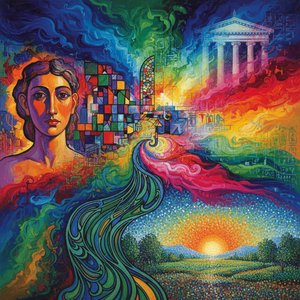 Chromatic Resonance: Exploring the Psychological & Aesthetic Impact of Vibrant Colors in Art History
Explore the fascinating relationship between color & emotion in art history. Discover how master artists used vibrant hues to evoke feelings, cultural meanings, and psychological responses. A deep dive for classic art enthusiasts.
Color, far more than a mere visual element, is the very breath of emotion within art. It’s a silent narrator, weaving tales of passion, tranquility, and introspection across canvases for centuries. But this power isn't accidental; it stems from a deeply ingrained psychological connection between humanity and the spectrum that surrounds us. From the earliest cave paintings utilizing ochre and charcoal to the dazzling brilliance of modern masterpieces, artists have intuitively understood—and skillfully manipulated—the ability of color to bypass rational thought and speak directly to the soul. This exploration delves into the fascinating world of color psychology, tracing its roots from primal instincts to sophisticated artistic expression, revealing how hues shape our perceptions and profoundly influence our emotional responses.
From Primal Instincts to Artistic Expression: The Historical Roots of Color Symbolism
 Chromatic Narratives: Exploring the Psychological & Cultural Significance of Color in Art History
Explore the fascinating relationship between color & emotion in art history. Discover how master artists used color to evoke feelings & cultural meanings, plus expert collecting insights.
The association between color and emotion isn’t a product of modern analysis; it's woven into the fabric of human history. Consider the instinctive reaction to red – often linked with danger, fire, and vitality. This connection likely originates from our earliest ancestors, where the sight of blood signaled threat or the warmth of flames promised survival. Similarly, the calming embrace of blue echoes the vastness of the sky and the life-giving properties of water. Ancient civilizations recognized these inherent connections, embedding color symbolism into their rituals and beliefs. In Egypt, colors were associated with deities and specific aspects of life; green represented rebirth, while gold symbolized immortality. Across cultures, red often signified power and courage, frequently adorning royal garments and ceremonial objects. These early associations weren’t arbitrary; they were deeply rooted in the natural world and fundamental human experiences, forming a visual language that predates written communication.
Matisse & Gauguin: Masters of Emotional Resonance Through Bold Color Choices
 The Piano Lesson
Explore Henri Matisse’s iconic "The Piano Lesson," a vibrant Fauvist masterpiece capturing domestic tranquility and artistic exploration. Admire its bold colors & composition housed at Musée Matisse.
The Post-Impressionist era witnessed an explosion of color as artists began to liberate themselves from strict representational accuracy. Henri Matisse, a pioneer of Fauvism (“wild beasts”), famously employed bold, non-naturalistic colors not to depict reality but to express pure emotion. His iconic “The Piano Lesson”, for example, isn’t simply a depiction of a domestic scene; it's an immersive experience of warmth and tranquility achieved through the harmonious clash of vibrant oranges, blues, and greens. Matisse wasn’t interested in mimicking life but in capturing its *essence* – the feeling of sunlight streaming through a window or the joy of shared music. Simultaneously, Paul Gauguin ventured to Tahiti, seeking a primal connection with nature and a rejection of Western societal constraints. His “Untitled (2171)”, bursting with saturated yellows, reds, and blues, isn’t merely a landscape; it's a symbolic exploration of human emotion and the beauty of an untamed world. Gauguin deliberately chose colors that resonated with his own emotional state and conveyed a sense of exoticism and spiritual awakening.
Warm vs. Cool Tones: Evoking Mood and Atmosphere in Painting
 Laurette's Head with a Coffee Cup
'Laurette's Head with a Coffee Cup,' painted in 1917 by Henri Matisse, exemplifies Post-Impressionism’s bold use of color and simplified forms. This captivating portrait depicts Laurette resting her head on her hand against a warm yellow backdrop, ac...
The dichotomy between warm and cool tones forms a cornerstone of color psychology in art. Warm colors – reds, oranges, and yellows – possess an inherent energy that evokes feelings of excitement, passion, and optimism. They advance visually, drawing the viewer’s eye and creating a sense of intimacy. Conversely, cool colors – blues, greens, and purples – promote calmness, serenity, and introspection. These hues recede into the background, fostering a feeling of spaciousness and tranquility. Artists skillfully manipulate this contrast to create specific moods within their compositions. A painting dominated by warm tones might convey a sense of urgency or celebration, while one bathed in cool colors could evoke feelings of melancholy or peace. The subtle interplay between these opposing forces is what gives paintings depth and emotional complexity.
The Science Behind the Spectrum: How Our Brains Perceive and React to Color
Color psychology is the study of colors and hues as a determinant of human behavior. Color influences perceptions that are not obvious, such as the taste of food. Colors have qualities that may cause certain emotions in people. How color influences i...
While artistic intuition plays a significant role, the impact of color isn’t solely subjective. Scientific research reveals that our brains are hardwired to respond to specific wavelengths of light in predictable ways. Studies have shown that blue can lower heart rate and blood pressure, promoting relaxation, while red can increase adrenaline flow, stimulating energy and alertness. This physiological response is linked to the activation of different areas of the brain associated with emotion and memory. Furthermore, color perception isn’t uniform across individuals; factors like age, gender, and cultural background can influence our preferences and associations. However, certain core responses remain consistent – for example, yellow is often associated with happiness and optimism due to its connection with sunlight and warmth. Understanding these underlying neurological mechanisms provides a deeper appreciation for the power of color in art.
Cultivating Your Palette: Selecting Artworks for a Harmonious Emotional Impact
Ultimately, the most profound impact of color lies in its ability to resonate with *your* individual emotions and create a harmonious atmosphere within your space. When selecting artworks, consider the mood you wish to evoke. Do you seek tranquility and serenity? Opt for paintings dominated by blues and greens, reminiscent of peaceful landscapes or calming seascapes. Perhaps you desire energy and excitement? Embrace vibrant reds and oranges that capture the passion of life. Don’t be afraid to experiment with different color combinations and trust your instincts. At BuyPopArt.com, we offer a vast collection of handmade oil paintings and museum-quality prints, allowing you to explore the full spectrum of artistic expression and discover pieces that truly speak to your soul. From custom reproductions tailored to your specifications to expert art consultation services, we are dedicated to helping you curate a collection that reflects your unique style and enhances your emotional well-being.