
The Rise of Pop Art: Challenging Tradition and Reflecting Consumer Culture
The mid-20th century witnessed a seismic shift in the art world, a rebellion against the introspective abstraction that had dominated the post-war landscape. Emerging first in Britain and then exploding across America, Pop Art wasn’t merely a new style; it was a cultural earthquake. Artists began to look outward, not inward, finding inspiration not in the depths of the psyche but in the vibrant, often garish world of popular culture – advertising, comic books, mass-produced objects, and celebrity iconography. This wasn't about elevating high art above the mundane; it was about blurring the lines entirely, questioning what *constituted* art itself. The Tate defines Pop Art as a movement born from a revolt against traditional views, and this is precisely its essence: a deliberate provocation of established norms.
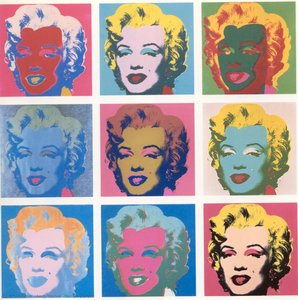
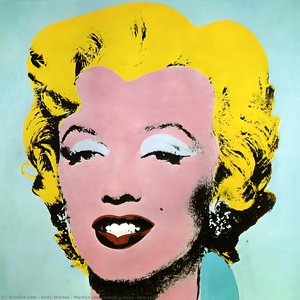
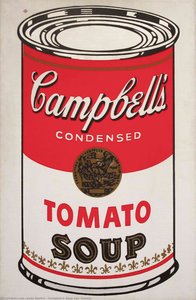
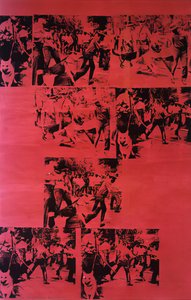
Early pioneers like Eduardo Paolozzi, with his collages brimming with American imagery, laid the groundwork for what would become a global phenomenon. Richard Hamilton’s collage, “Just What Is It That Makes Today's Homes So Different, So Appealing?” (1956), is often considered one of the first true examples of Pop Art, encapsulating the burgeoning consumerism and idealized domesticity of the era. In America, artists like Larry Rivers, Robert Rauschenberg, and Jasper Johns further pushed these boundaries, incorporating everyday objects into their work and challenging the sanctity of the canvas. However, it was Andy Warhol who truly catapulted Pop Art to international fame. His iconic silkscreen prints of Campbell’s Soup cans, Coca-Cola bottles, and Marilyn Monroe weren't simply reproductions; they were commentaries on mass production, celebrity culture, and the commodification of identity. Warhol’s work forced viewers to confront the ubiquity of these images and their impact on society.
The technique itself was revolutionary. Silkscreen printing allowed for mechanical reproduction, mirroring the very processes it depicted. This wasn't about the artist’s hand; it was about embracing the impersonal nature of mass culture. The bold colors, flat imagery, and often ironic detachment created a visual language that resonated with a generation increasingly immersed in consumerism and media saturation. Pop Art didn’t shy away from the superficial; instead, it embraced it, holding a mirror up to society and forcing viewers to question their own values and perceptions.
Social Realism's Enduring Legacy: Documenting Struggle and Inequality
While Pop Art celebrated the surface of consumer culture, another powerful artistic movement was simultaneously grappling with its underbelly. Social Realism, rooted in 19th-century European traditions but flourishing anew in the interwar period and beyond, sought to expose the harsh realities faced by the working class and marginalized communities. Unlike abstract expressionism’s focus on individual emotion, Social Realism prioritized collective experience and political critique. It wasn't about aesthetic beauty; it was about bearing witness to injustice and advocating for social change.
Artists associated with this movement employed a direct, unflinching realism, depicting scenes of poverty, labor exploitation, and political oppression. The goal was not simply to represent these conditions but to incite empathy and action. The Ashcan School in early 20th-century America, with artists like George Luks and John Sloan, foreshadowed this approach by documenting the gritty realities of urban life. However, it was during the Great Depression that Social Realism truly came into its own, fueled by a sense of urgency and social responsibility. Artists responded to the economic hardship and widespread suffering with powerful paintings, murals, and prints that captured the plight of ordinary people.
The legacy of Social Realism extends far beyond the 1930s. Artists continue to use realism as a tool for social commentary, addressing issues such as racial inequality, immigration, and environmental degradation. The movement’s emphasis on representation and its commitment to political engagement remain profoundly relevant today. Exploring works from this period offers not only a glimpse into the past but also a powerful reminder of the ongoing struggle for social justice.
Countercultural Movements & Artistic Expression in the 1960s
The 1960s were a decade defined by upheaval, protest, and a profound questioning of societal norms. From the Civil Rights Movement to the anti-Vietnam War demonstrations, a wave of countercultural movements swept across the globe, challenging established power structures and advocating for peace, love, and individual freedom. This spirit of rebellion found potent expression in art, music, literature, and fashion.
The Beat Generation, emerging in the 1940s and 50s, laid the groundwork for this cultural revolution with its rejection of materialism and embrace of spontaneity and nonconformity. However, it was the Hippie movement of the mid-to-late 60s that truly captured the zeitgeist. Artists embraced psychedelic imagery, vibrant colors, and experimental techniques to reflect a heightened state of consciousness and a desire for spiritual awakening. This wasn’t simply about aesthetics; it was about creating a new way of seeing and being in the world.
The counterculture also fostered a strong sense of community and collective identity. Music festivals like Monterey Pop and Woodstock became iconic symbols of this movement, bringing together artists and audiences in celebration of peace, love, and artistic expression. The art produced during this period often reflected these values, with an emphasis on collaboration, improvisation, and social commentary. It was a time of experimentation, pushing boundaries and challenging conventional notions of beauty and meaning.
Portraits as Protest: Capturing Identity and Rebellion
The human face has always been a powerful canvas for expressing identity, emotion, and resistance. In the 1960s, portraiture took on new significance as artists sought to capture the spirit of rebellion and challenge prevailing social norms. From iconic photographs of protest leaders to intimate paintings of everyday individuals, portraits became a potent tool for documenting struggle and advocating for change.
Andy Warhol’s portraits of Marlon Brando, captured in stark monochrome, exemplify this trend. The image isn't about glamour or celebrity; it's about capturing the raw emotion and rebellious spirit of a cultural icon. Similarly, Alex Katz’s portrait of Allen Ginsberg offers a nuanced depiction of age and wisdom, conveying a sense of intellectual depth and artistic integrity. These portraits weren’t simply likenesses; they were statements about identity, culture, and the power of individual expression.
The act of portraying someone—especially those marginalized or actively challenging the status quo—became an act of political defiance. Artists used portraiture to reclaim narratives, challenge stereotypes, and celebrate diversity. The visible brushstrokes, textures, and colors in these works often conveyed a sense of intimacy and authenticity, inviting viewers to connect with their subjects on a deeper level. The power of the gaze – both the artist’s and the subject’s – became central to this form of artistic expression.
Neue Sachlichkeit: Objectivity, Realism, and Political Critique
Emerging in Germany during the interwar period, Neue Sachlichkeit (New Objectivity) represented a stark departure from the emotional intensity of Expressionism. Artists associated with this movement embraced a cool, detached realism, depicting scenes of Weimar society with unflinching objectivity and often biting satire. It wasn’t about romanticizing reality; it was about exposing its flaws and challenging the prevailing social order.
Key figures like Otto Dix and George Grosz used their art to critique the decadence, corruption, and political instability of post-war Germany. Their paintings often depicted scenes of poverty, violence, and moral decay, offering a scathing indictment of the era’s societal ills. The technique itself was characterized by precise detail, sharp lines, and a deliberate rejection of emotional expression. This wasn't about creating beautiful images; it was about confronting viewers with uncomfortable truths.
Neue Sachlichkeit’s influence extended beyond Germany, inspiring artists across Europe to adopt a similar approach to social commentary. The movement’s emphasis on realism and its commitment to political critique continue to resonate today, reminding us of the power of art to challenge authority and expose injustice. The unflinching objectivity of Neue Sachlichkeit serves as a powerful example of how art can be used as a tool for social change.
At BuyPopArt.com, we are dedicated to bringing these masterpieces – and the stories behind them – to life through high-quality reproductions. Explore our collection of 1960s art, Social Realism paintings, and portraits that capture the spirit of rebellion and change. From handmade oil paintings to museum-quality prints, we offer a range of options to suit every taste and budget. Discover the power of art to inspire, provoke, and transform your world. Contact our art experts for personalized guidance or explore our extensive library today.